
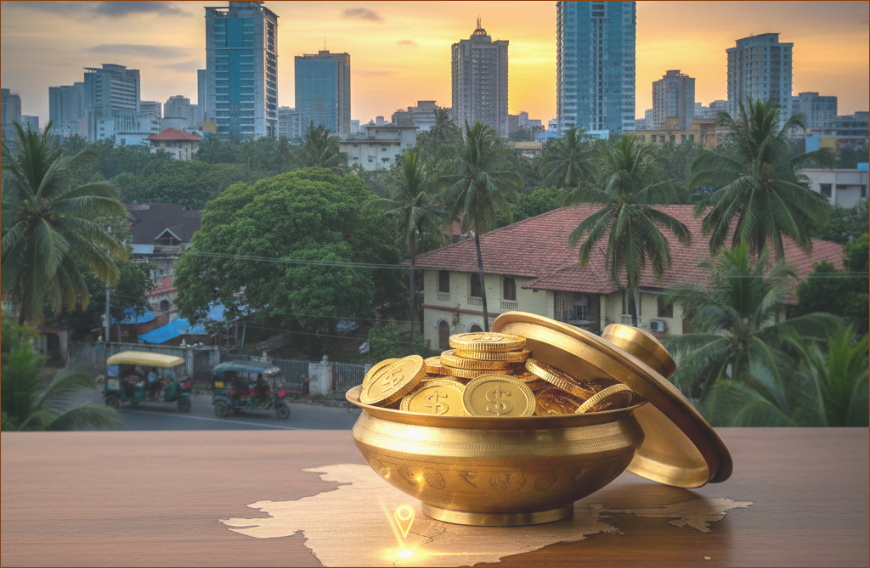
Rising Trend of Reverse Migration to Bangalore
The idea of reverse migration among Indians living abroad is gaining momentum. Increasingly, many are considering a return to their roots, with Bangalore emerging as a popular choice.
This trend was highlighted by vlogger Dileep Karpur, who pointed out an online community called BackToIndia. This Facebook and WhatsApp group has over 25,000 nonresident Indians sharing their thoughts and plans about relocating, and discussions often revolve around Bangalore.
People have various reasons for wanting to move back home, both personal and professional.
One major attraction for families is the quality of life. Bangalore enjoys a pleasant climate, hovering between 18 and 28 degrees Celsius all year, a welcome change for those used to the hot summers of northern India and the humid coasts of Mumbai and Chennai. For professionals who have lived in milder climates overseas, this weather stability is quite appealing.
Furthermore, the city’s location is a big plus. Beautiful hill stations like Coorg and Ooty and the sunny beaches of Goa are only a short drive or flight away. Plus, the international airport provides direct flights to major global cities, making travel easy.
However, economic factors could play the biggest role in this movement.
Bangalore is home to more than 870 Global Capability Centers, the highest concentration in the country. Major multinational companies like Goldman Sachs, Google, and Amazon have established operations there. These centers employ around 1.9 million people nationwide and generate over $65 billion each year.
About 35% of India’s tech workforce is located in Bangalore. Moreover, salaries for senior positions in these centers have significantly increased, with packages now ranging from ₹1 crore to ₹3 crore. This narrows the historical pay gap between India and the United States, leading many in the diaspora to rethink their long-term plans.
For years, Indian professionals considered the U.S. a permanent destination. Now, some are taking a different approach: working abroad to earn in dollars, saving up, and eventually returning to India with a solid financial backup. For instance, a ₹50 lakh salary in Bangalore, combined with U.S. savings, can provide a lifestyle comparable to that of earning $200,000 in expensive areas like California.
Lower living costs, access to domestic help, and the support of extended family all make returning to India a more attractive option.
Online communities like BackToIndia have become platforms for sharing advice on schooling, housing, and job hunting, helping ease the often challenging transition back home.
This change could also have significant effects on Indian businesses. Professionals returning with international experience bring higher buying power and expectations shaped by global standards.
As this trend continues, Bangalore is set to become not just India’s tech hub, but a central point for a wave of returning members of the diaspora.
For Dileep Karpur, who simplifies complex topics through his content, the story of reverse migration aligns perfectly with his focus on finance, technology, and the shifting perspectives of Indians living abroad. By presenting reverse migration as a thoughtful financial and lifestyle choice, he resonates with a generation of Indians who are reconsidering where they find opportunity and happiness.
