
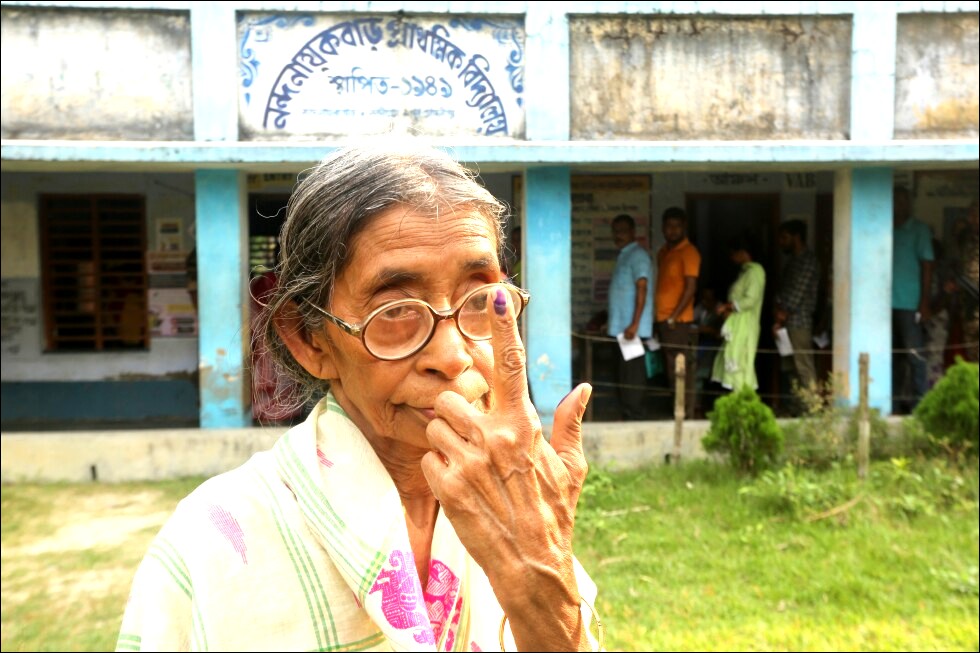
Kolkata, India — Voting has started in one of India’s most anticipated state elections, which began on Thursday amidst concerns over a recent voter roll update. This update, carried out by the Election Commission of India, removed millions of names and raised alarms about potential disenfranchisement in West Bengal, a state that has long been led by a regional opposition party rather than Prime Minister Narendra Modi’s Bharatiya Janata Party (BJP).
This election is significant on a national level. The BJP aims to gain a foothold in West Bengal, while Chief Minister Mamata Banerjee’s success would strengthen her position as a key opposition leader. A second round of voting is set for next week, with voting also occurring on Thursday in Tamil Nadu.
The polls are part of a broader series of state elections that test the BJP’s strength in areas dominated by opposition parties. Results from these elections, including others in Kerala and Assam, are expected by May 4.
Millions Affected by Voter Roll Changes
The voter rolls have undergone a major overhaul to remove duplicate, deceased, or ineligible voters. Officials reported that around 9 million names—about 12% of the electorate—were taken off the list. This includes approximately 6.3 million marked as deceased or absent and another 2.7 million classified as “doubtful” and awaiting verification.
Many voters reported confusion and frustration over their removal, stating they have previously voted and possess valid identification. Sheikh Najrul Islam, a 53-year-old paramilitary officer on duty during the elections, expressed disbelief that his name was no longer on the voter list despite having voted in 2021.
“The Election Commission has tasked me with ensuring fair elections, yet I feel excluded,” he remarked.
In a similar situation, 62-year-old retired school administrator Taibunessa Begum was appalled to find her name removed, even though she has a passport and pension records. “It felt like being told I don’t exist,” she shared.
Division Amid Political Tensions
Opposition leaders argue that the voter deletions disproportionately impact marginalized communities, particularly Muslims. The Election Commission has denied these claims, asserting that the updates were merely routine and aimed at cleaning the voter rolls.
The BJP described the overhaul as a necessary administrative task and claimed that any noticeable impact in West Bengal reflects the presence of undocumented migrants, implying that many Hindu voters were also affected. However, critics contend that this effort aligns with a broader narrative pushed by Modi and some BJP leaders, which targets illegal immigration from neighboring Bangladesh. This rhetoric has intensified fears among minority groups regarding their voting rights.
Derek O’Brien from the opposition Trinamool Congress labeled the process “invisible rigging,” stating, “The motive is to disenfranchise voters.”
Analysts caution that these deletions could have long-lasting effects. “Losing one’s place on the electoral roll is unsettling. It’s not just about voting; it touches on identity and the assurance that one is a recognized citizen,” noted political analyst Iman Kalyan Lahiri.
For many affected voters, the stakes are immediate. “This isn’t just about politics,” Begum emphasized. “It’s about our identity and belonging in this country.”
