
China Steps Up Workforce Training in Response to AI Advancements
BEIJING, Jan. 22 — In light of concerns from tech leaders about artificial intelligence potentially displacing jobs, China is actively working to enhance the skills of its vast workforce to remain competitive in a technology-driven future.
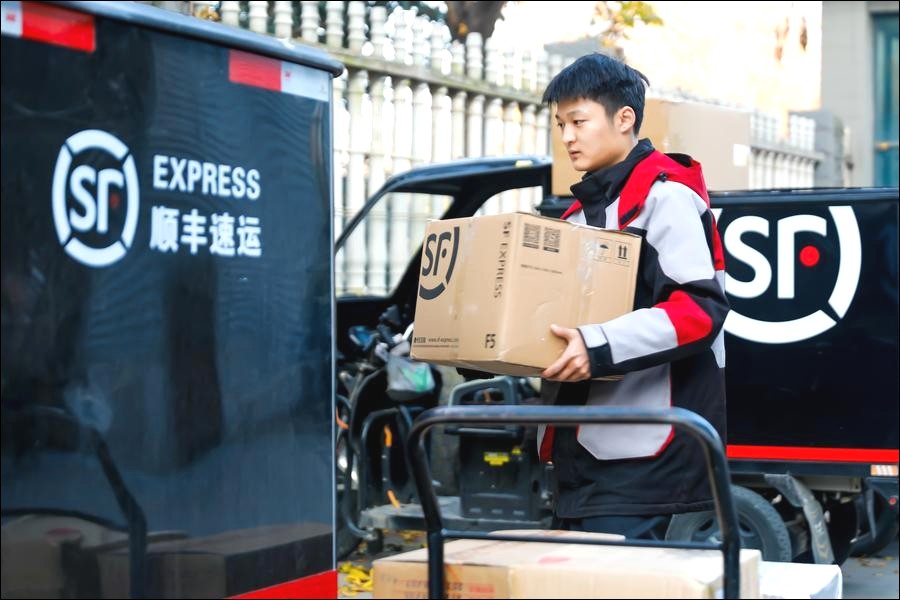
A significant move in this direction was the recent launch of the country’s first “rider academy” in Guangdong Province. This initiative is a collaboration between local education authorities and JD.com, a leading e-commerce company. Together, they have created a vocational training program for couriers at a local technical university.
The academy features a curriculum that starts with essential topics such as traffic safety and workers’ rights. However, what really makes this program stand out are its advanced courses. These include training on AI dispatch platforms, maintaining delivery drones, managing cold-chain logistics, and understanding station operations and fleet coordination.
The school offers tiered, optional training for delivery personnel, with companies expected to cover basic tuition costs for their workers. This training comes at an important time, as more workers are taking on roles in the rapidly growing gig economy — including delivery drivers and couriers.
With advancements in smart technologies, drones and self-driving vehicles are increasingly being used for logistics tasks, from delivering agricultural products in remote areas to operating in tech innovation zones.
Rather than seeing technology as a threat to jobs, Chinese leaders view AI as an opportunity to enhance skill levels. The goal is to prepare the workforce for future jobs that require specialized knowledge.
The term “investing in human capital” has gained traction in government discussions. It has been mentioned in various official documents, underscoring its role in long-term development and as a priority for 2026.
In rural China, more local governments are setting up flight schools to provide drone training. This effort aims to create job opportunities for workers returning from cities while boosting agricultural efficiency.
For instance, in 2025, the city of Yichang in Hubei Province held 30 drone training sessions, providing financial support to over 600 participants.
Meanwhile, in Baiyin, Gansu Province, local authorities are working with training institutions to offer free drone operation classes to unemployed individuals and migrant workers.
Gao Minqiang, an official from the local human resources department, shared, “We also help trainees find jobs, providing a complete service from training to employment.” So far, they have trained more than 100 residents through three sessions.
Wu Xuejiao, a 34-year-old participant, expressed her gratitude for the program, saying, “I now have practical skills in using drones for agriculture and logistics. I feel I’ve found a new way to earn a living.”
