
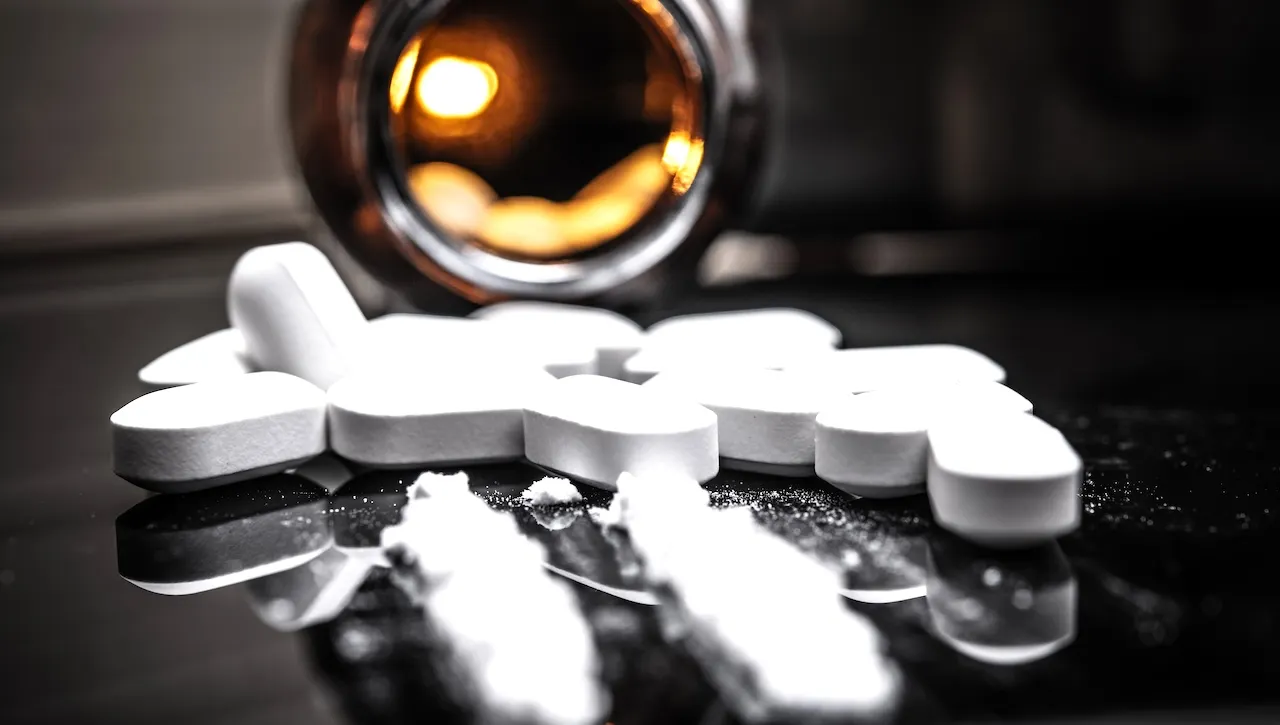
New Vaccine Aims to Combat Deadly Fentanyl Overdoses
A Revolutionary Step Forward
A promising vaccine designed to safeguard against the dangerous effects of fentanyl is moving ahead to human clinical trials. This innovative vaccine has shown effective results in animal studies, blocking fentanyl from entering the brain and thus helping to prevent overdoses.
If successful, this vaccine could be the first of its kind to stop fentanyl overdoses from occurring, as fentanyl is the leading substance in drug overdose fatalities. Unlike naloxone, which reverses the effects of an overdose, this vaccine aims to prevent the overdose from happening in the first place.
How the Vaccine Works
Researchers created this vaccine to trigger the production of antibodies against fentanyl. These antibodies work by preventing the drug from crossing into the brain. It includes a synthetic piece of fentanyl linked to a protein called CRM197 and an immune-boosting compound known as dmLT.
Colin Haile from the University of Houston explains that in vaccinated individuals, these antibodies will capture fentanyl in the bloodstream, stopping it from affecting the brain. This means that if someone consumes fentanyl after being vaccinated, they would not feel any effects and, therefore, wouldn’t risk an overdose.
Promising Results in Animal Studies
In tests on mice and rats, the vaccines generated antibodies that remained active for up to six months. Haile emphasizes that vaccinated individuals wouldn’t feel any euphoric effects from fentanyl, which could deter drug use among those looking for a high.
He highlights the significant health risks posed by fentanyl, notably respiratory depression, which often leads to fatal outcomes.
Next Steps: Clinical Trials
The first human trials are set to start in early 2026 at the Center for Human Drug Research in the Netherlands. This initial phase will involve roughly 40 participants and will focus on safety and the body’s immune response to the vaccine. Following this stage, further trials will test its effectiveness in blocking fentanyl’s effects on humans.
Considerations and Future Potential
While the vaccine has shown no adverse effects in animal studies, its effectiveness in humans is still uncertain. However, the ingredients have been used safely in previous human applications.
Haile mentions that the vaccine could greatly benefit various groups, including those struggling with opioid use disorder, first responders, healthcare workers, and military personnel susceptible to accidental exposure to fentanyl.
In the long run, the success of this vaccine might lead the way for similar vaccines targeting other drugs like cocaine and methamphetamine, potentially saving many lives.
Expert Opinions
Dr. Marc Siegel, a senior medical analyst, expressed enthusiasm about the vaccine entering human trials. He believes it could significantly reduce the number of overdose cases resulting from fentanyl. He stresses the necessity of ensuring that the vaccine is allocated primarily to those at high risk for overdose, considering that fentanyl still serves medical purposes in pain management and anesthesia.
In summary, this innovative vaccine represents a significant breakthrough in combating the opioid crisis, with the potential for widespread impact on public health.
