
Bulgaria Withdraws Disputed Budget Amid Protests
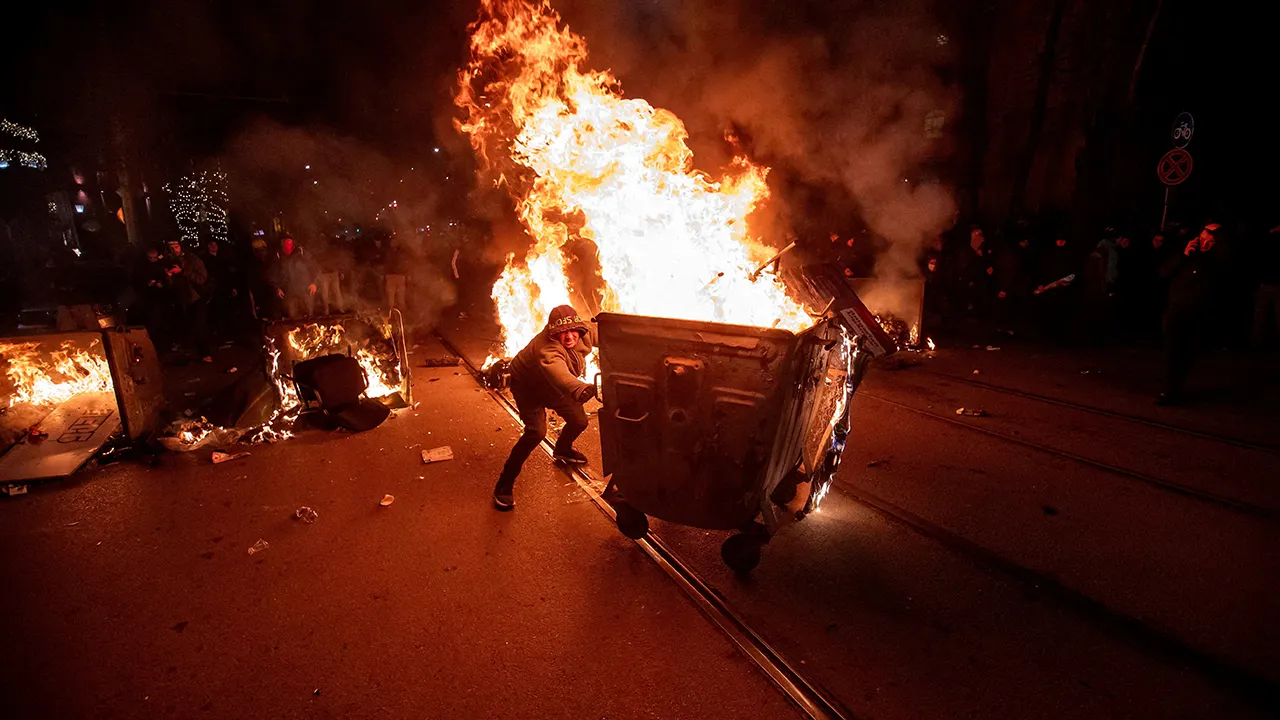
Bulgaria’s government has taken back a controversial draft budget for 2026 following massive protests in the capital Sofia and other cities. Tens of thousands of young Bulgarians led the demonstrations, expressing frustration over claims of government corruption. Many believe the proposed budget could harm the economy, especially with Bulgaria’s anticipated Eurozone membership approaching in early 2026.
Daniel Lorer, a member of Bulgaria’s parliament, highlighted that “Gen Z is taking to the streets because they want a different Bulgaria—one that is free of corruption.” Protesters criticized the government’s budget, which they argue simply extended existing policies with increased taxes and social security contributions.
In response to the protests, Prime Minister Rosen Zhelyazkov has pledged to drop the most contentious aspects of the budget, rejecting tax hikes and social security increases. A new budget will be presented in the future.
Zhelyazkov expressed support for the protesters, asserting, “This is a visible protest of young people seeking their place in Bulgaria’s future.” While the protests have largely remained peaceful, there have been a few altercations, including clashes between masked demonstrators and police.
Bulgarian President Rumen Radev, who mainly holds a ceremonial role, sided with the opposition, urging for the resignation of the government and early elections. Concerns are rising over political stability, as political analyst Ruslan Stefanov warns that internal unrest could attract unwanted Russian interference.
Bulgaria, one of the EU’s poorest countries, joined the EU in 2007 and began the Eurozone application process in 2018. Despite being set to adopt the euro in January 2026, many citizens are worried about potential inflation and rising living costs.
As tensions continue, focus remains on the broader implications for Bulgaria’s relationship with its NATO allies and the EU. Many experts believe that skepticism about EU regulations and fears of economic instability are fueling public dissatisfaction, complicating hopes for a smooth transition to the Eurozone.
