
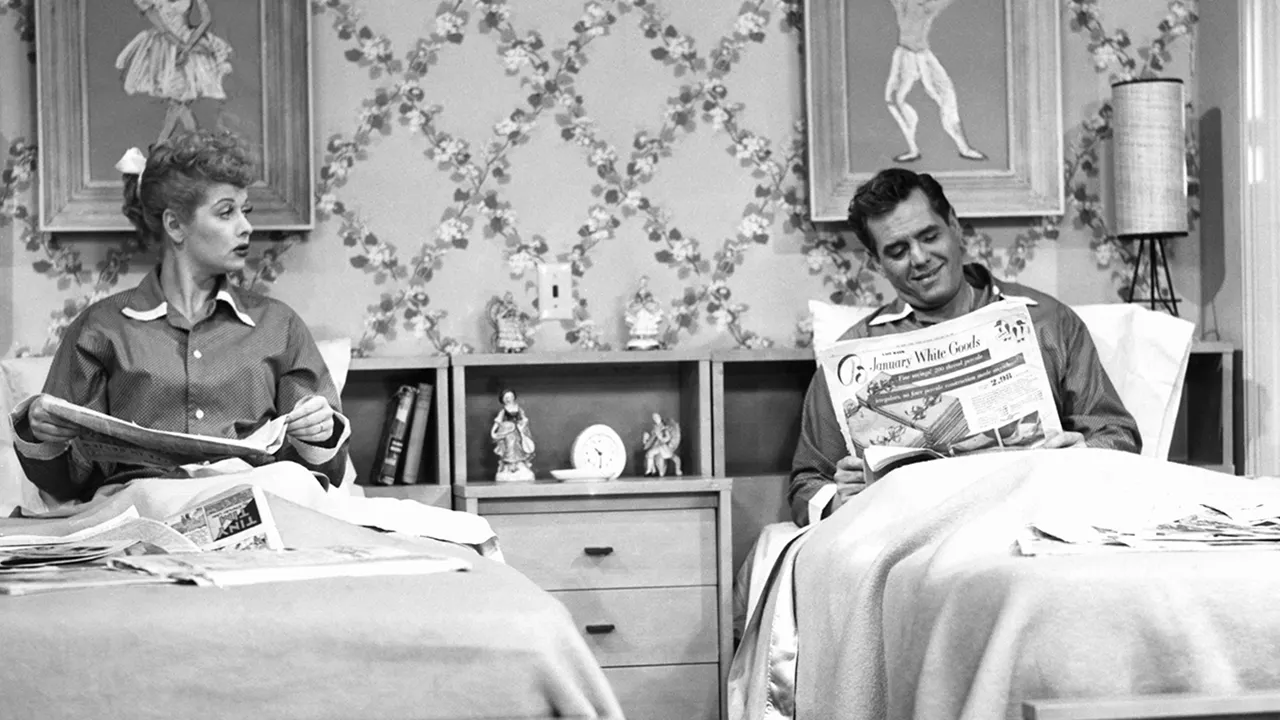
Sleeping Arrangements: Together or Apart?
A recent study reveals that sleeping separately may not boost happiness in relationships. The trend of “sleep divorce,” where couples choose to sleep in different rooms, has gained popularity as a way to improve sleep. Some cultures, particularly in Scandinavian countries like Sweden and Norway, endorse the idea of using two separate duvets on one bed.
However, research from Taiwan challenges this notion. The study, published in BMC Public Health, looked at 860 older heterosexual couples in Northern Taiwan to understand how sleep arrangements could affect psychological well-being.
Key Findings
The study found that older couples who slept in separate rooms experienced lower levels of happiness and life satisfaction compared to those who shared a bed. While living together is generally thought to be beneficial, this research suggests that sharing a sleeping space is even more influential on mental health.
The researchers concluded that how couples choose to sleep is an important factor in overall well-being, emphasizing the connection between sleep and relationship health.
Wendy Troxel, a sleep expert and author, discussed these results in an interview, stating that separation at night could lead to feelings of distance in a relationship. She highlighted that the study suggests sleeping arrangements themselves may have a significant impact on mental health.
Limitations of the Study
Troxel pointed out that the study is cross-sectional, which means it shows a correlation but cannot establish a cause-and-effect relationship. Couples who sleep apart might already deal with other health issues that affect both their sleep habits and mental well-being.
Additionally, the research did not explore why couples opt for separate sleeping arrangements, a factor that can greatly influence relationship dynamics.
As people age, sleep problems tend to increase, with many older adults reporting issues like insomnia or sleep disturbances. These issues can create a cycle that potentially harms both sleep quality and mental health.
Personalized Sleep Choices
Troxel emphasized that there is no universal solution for healthy sleep. For some couples, sharing a bed provides comfort and closeness. For others, particularly those facing sleep disorders or differing sleep habits, separate sleeping arrangements can be beneficial. The key is open communication between partners.
While sharing a bed can foster intimacy and release bonding hormones like oxytocin, sleep disruptions from snoring or tossing and turning can adversely affect mood and patience in a relationship.
Couples who choose to sleep apart can still maintain a strong emotional connection by engaging in shared evening routines before heading to their separate beds. Ultimately, the healthiest sleeping arrangement is the one that promotes good sleep quality and emotional connection.
