Close Menu
  • Home
  • World News
  • India News
  • Business News
  • Health
  • Sports
  • Indian Diaspora In US
  • Technology
  • Bollywood
  • Education
Facebook X (Twitter) Instagram
Saturday, July 25, 2026
Breaking News
  • Sarnath Secures Spot on UNESCO World Heritage List
  • Athina Onassis Steps Away from Business Life Discreetly
  • Tech Mahindra and Cisco Introduce Cutting-Edge AI Security Service Edge
  • Ramayana Trailer Delayed as Sony Pictures Joins Forces for Worldwide Release; Namit Malhotra Calls It a Milestone in Bollywood
  • Cancer Survivor Embarks on Epic 2,000-Mile Missouri River Adventure with Loyal Dog by His Side
  • Commonwealth Games 2026 Day 3 Recap: Sachin Siwach and Women’s Lawn Bowls Duo Dazzle
  • How India’s ‘Cockroach’ Protesters Rattled the Modi Administration
  • Trump Allies Caution: Ed Miliband’s Appointment Poses Risk to Transatlantic Ties
Facebook X (Twitter) Instagram
India Bulletin
Advertisement
  • Home
  • World News
  • India News
  • Business News
  • Health
  • Sports
  • Indian Diaspora In US
  • Technology
  • Bollywood
  • Education
India Bulletin
Home»Health»76-Year-Old Defies Alzheimer’s Expectations, Leaving Scientists Scratching Their Heads
Health

76-Year-Old Defies Alzheimer’s Expectations, Leaving Scientists Scratching Their Heads

October 14, 20253 Mins Read
Facebook Twitter Email
Share
Facebook Twitter Email


Remarkable Journey of a Washington Man Defying Alzheimer’s Odds

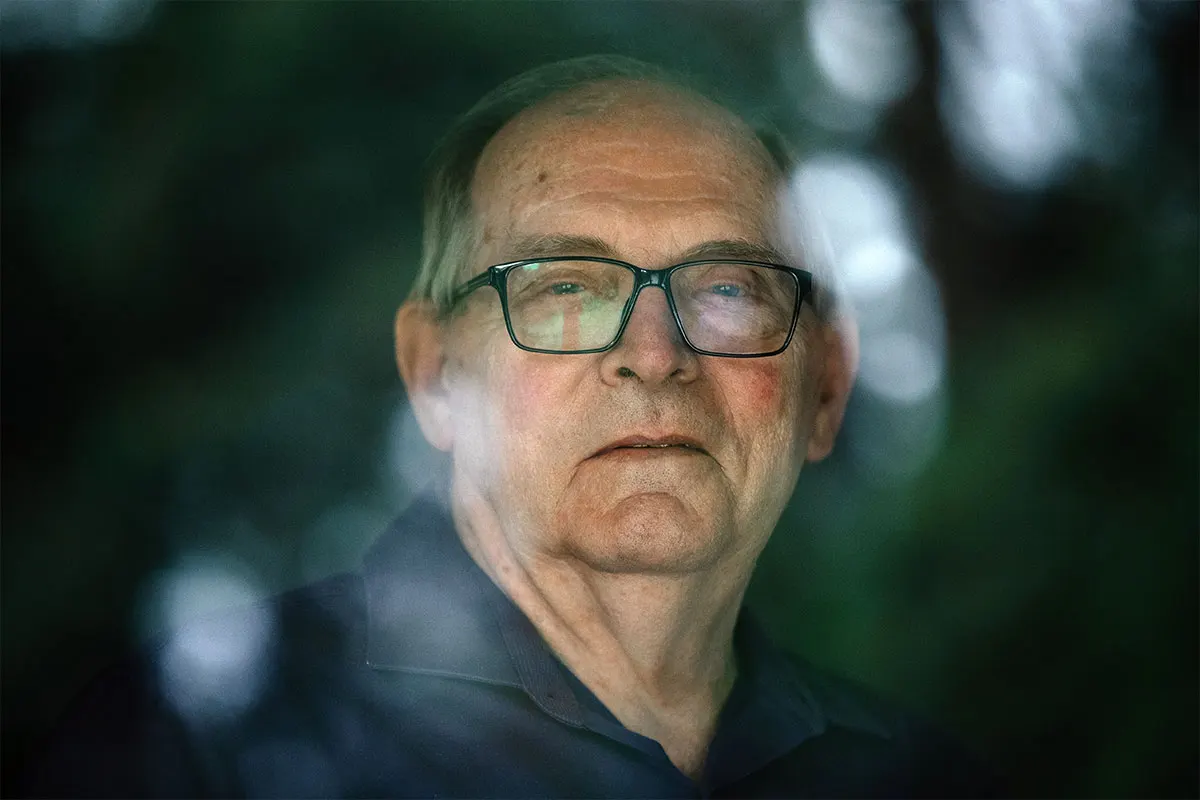
In an inspiring story from Washington, a 76-year-old man named Doug Whitney has managed to avoid Alzheimer’s disease despite having a genetic mutation that typically leads to early-onset dementia. Researchers from Washington University School of Medicine in St. Louis shared insights from their recent study focusing on Doug, who lives near Seattle.

Doug has a rare mutation in the presenilin 2 (PSEN2) gene, which has caused cognitive issues in many of his relatives starting in their early 50s. However, Doug remains mentally sharp, prompting researchers to investigate how he has evaded the common fate associated with this gene.

In a study published in the journal Nature Medicine, researchers examined Doug’s genetic makeup and brain scans, discovering significant “changes in genes and proteins” that could explain his cognitive health. Notably, his brain showed nearly no accumulation of tau proteins, which are often indicators of cognitive decline.

Dr. Randall J. Bateman, the study’s senior author and a professor of neurology at WashU, remarked that Doug’s case indicates a “remarkable resistance” to the usual progression of Alzheimer’s. Doug first became involved with WashU’s research in 2011 after being urged by a cousin, initially believing he did not carry the gene.

He later learned that he did, surprising both Doug and the researchers, as he had reached 76 without symptoms. Doug’s family history includes many members who developed Alzheimer’s early, including his brother, who passed away at 55.

Despite his genetic background, Doug maintains a healthy lifestyle, regularly engaging in activities like crossword puzzles and Sudoku with his wife, which he views as important for his mental acuity.

The research team highlighted that Doug’s case could provide valuable lessons for developing treatments for Alzheimer’s. Researchers noticed higher-than-normal levels of protective “heat shock” proteins in Doug’s cerebrospinal fluid, which may help counteract the effects of Alzheimer’s.

Doug’s time as a shipboard mechanic in the Navy exposed him to high temperatures for long periods, leading some researchers to believe this could have contributed to his resilience against the disease. They suggested that heat stress might influence the way proteins interact in his brain, potentially warding off cognitive decline.

Doug remains committed to Alzheimer’s research, viewing it as a vital part of his life. He encourages others to participate in research as early as possible for the best chances of support and treatment.

“It’s become my calling,” Doug shared. His optimistic outlook on advancements in Alzheimer’s treatment reflects a hopeful vision for the future, pointing out the progress made over the years and the need for continued research.

Doug Whitney’s journey highlights both the challenges and potential of understanding Alzheimer’s, offering insights that may help future generations. His story emphasizes resilience and the importance of scientific inquiry in tackling health challenges.

alzheimers brain health genetics genetics natural science Health lifestyle medical research
Share. Facebook Twitter Email
admin
  • Website

Related Posts

Cancer Survivor Embarks on Epic 2,000-Mile Missouri River Adventure with Loyal Dog by His Side

July 25, 2026

Maria Kang, the ‘No Excuse Mom,’ Opens Up About Her Stage 4 Colon Cancer Battle

July 25, 2026

A Grandfather’s Fight Against Late-Stage Pancreatic Cancer: How a Clinical Trial Turned the Tide

July 25, 2026
  • Facebook
  • Twitter
  • Instagram
Don't Miss

Sarnath Secures Spot on UNESCO World Heritage List

Athina Onassis Steps Away from Business Life Discreetly

Tech Mahindra and Cisco Introduce Cutting-Edge AI Security Service Edge

Ramayana Trailer Delayed as Sony Pictures Joins Forces for Worldwide Release; Namit Malhotra Calls It a Milestone in Bollywood

Started in 2004, India Bulletin is the largest and
most read South Asian publication
in Chicago and surrounding Midwest.

  • Home
  • About Us
  • Contact
  • Advertise With Us
  • Privacy Policy
  • Terms of Use
  • Disclaimer
  • CCPA
News
  • Bollywood
  • Business News
  • Health
  • India News
  • Indian Diaspora In US
  • Sports
  • Technology
  • World News
Facebook X (Twitter) Instagram

Type above and press Enter to search. Press Esc to cancel.

Accessibility Adjustments

Powered by OneTap

How long do you want to hide the toolbar?
Hide Toolbar Duration
Select your accessibility profile
Vision Impaired Mode
Enhances website's visuals
Seizure Safe Profile
Clear flashes & reduces color
ADHD Friendly Mode
Focused browsing, distraction-free
Blindness Mode
Reduces distractions, improves focus
Epilepsy Safe Mode
Dims colors and stops blinking
Content Modules
Font Size

Default

Line Height

Default

Color Modules
Orientation Modules