
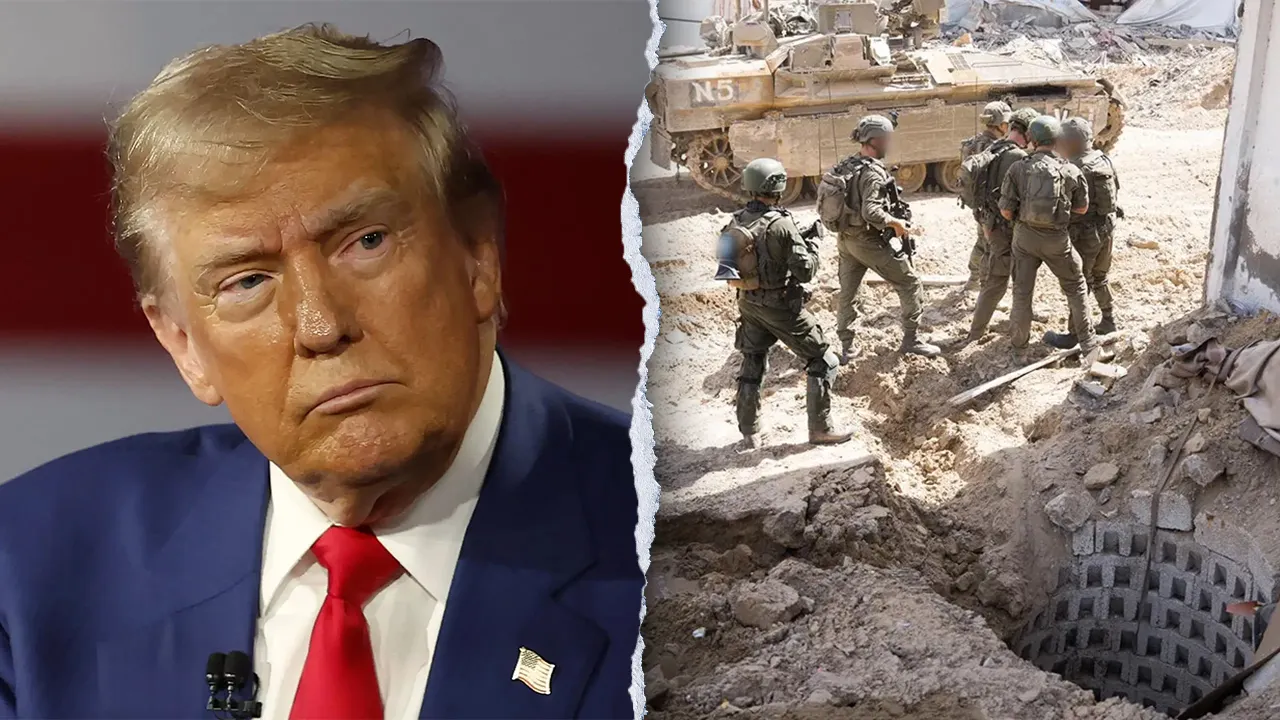
New York, NY – On Monday, President Donald Trump unveiled a new 20-point plan aimed at ending the ongoing conflict in Gaza. This announcement came as he welcomed Israeli Prime Minister Benjamin Netanyahu to the White House, amidst escalating violence that has persisted since October 7, 2023.
The plan outlines steps to achieve peace, including offering “amnesty” to Hamas members who lay down their arms and designating Gaza as a “deradicalized, terror-free zone.” It also emphasizes the region’s redevelopment to ensure safety for both residents and neighboring countries. The essence of the proposal hinges on cooperation from both Israel and Hamas, stating that if the plan is agreed upon, hostilities will cease, and Israeli forces will prepare for a coordinated withdrawal.
According to the proposal, within 72 hours of Israel’s acceptance, all hostages held will be released. Additionally, Israel intends to free 250 prisoners serving life sentences, alongside 1,700 other individuals detained after October 7. The plan also promises safe passage for Hamas members who choose to abandon violence and leave Gaza.
As of now, Hamas has not accepted the plan. Trump made it clear that further conflict could follow if they refuse to cooperate, stating, “Israel would have my full backing to finish the job of destroying the threat of Hamas.” Netanyahu echoed this sentiment, declaring that Israel would take necessary actions if Hamas rejected the proposal.
Earlier this month, a separate 21-point initiative was introduced at the United Nations, as tensions remained high and military actions intensified in the Middle East. The discussions involved various Arab leaders, with a wide consensus that Trump’s leadership is key to ending the conflict.
Palestinian Authority President Mahmoud Abbas, despite facing barriers to enter the U.S., expressed willingness to collaborate on the peace plan, stressing readiness to take control of governance in Gaza provided that Hamas disarms.
As diplomatic efforts unfold, Israel continued its military operations against perceived threats in the region. Their recent strikes in Yemen targeted Houthi forces, marking a significant escalation in their campaign against groups linked to Iran.
In this complex landscape, leaders from around the world hope that diplomatic dialogue will pave the way for peace, as all parties grapple with the urgent need for stability in the region.
