
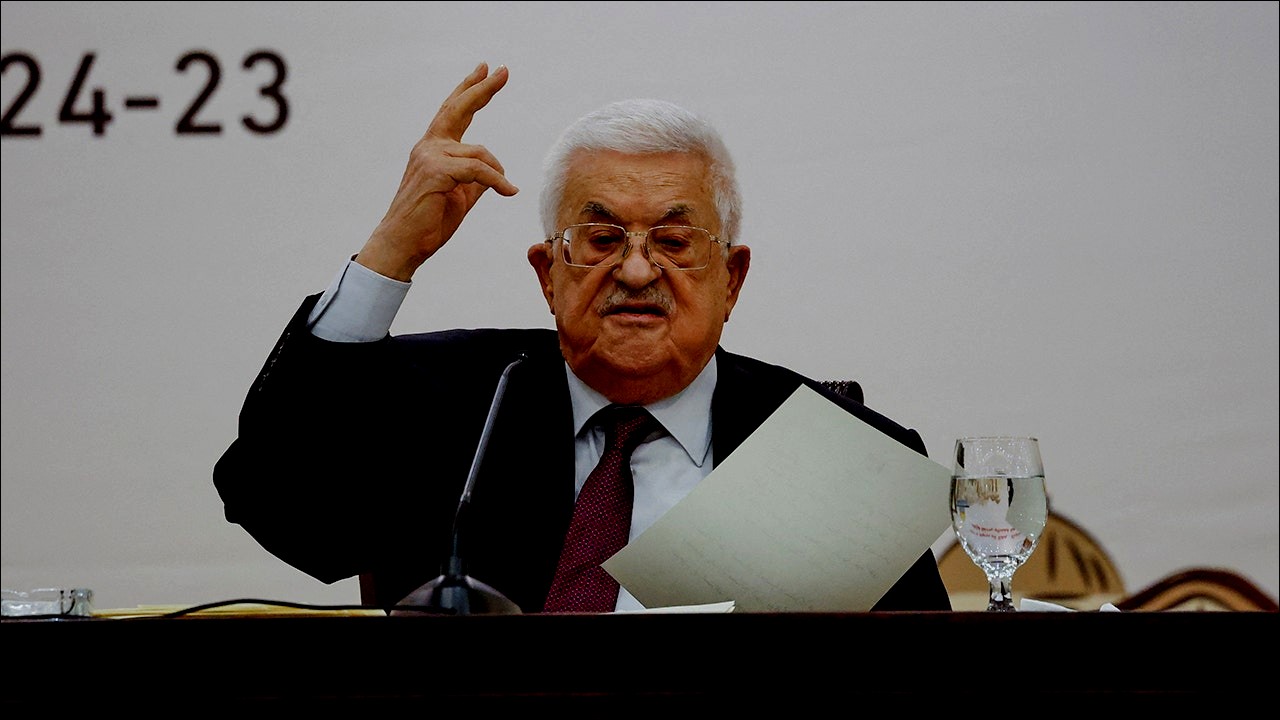
Abbas to Address UN Amid Visa Controversy
Palestinian Authority President Mahmoud Abbas is set to speak at the United Nations General Assembly on Thursday via video link, after the U.S. revoked his visa last month. This decision came after the U.S. accused Palestinian leadership of hindering peace efforts and banned entry for approximately 80 Palestinians.
Last week, the U.N. voted 145-5 to allow Abbas to participate in this key global event. It is still unclear how his upcoming speech will differ from his remarks made on Monday during a meeting hosted by France and Saudi Arabia, where he called for an immediate cease-fire and urged Hamas to surrender its weapons to the Palestinian Authority.
Strong Stance on Governance
Abbas emphasized that “Hamas will have no role in governance,” insisting that all armed factions must relinquish their weapons to create a unified state governed by the rule of law. He reiterated his condemnation of violence against civilians, including acts committed by Hamas on October 7, 2023.
Established in 1994 after the Oslo Accords, the Palestinian Authority, although mainly sidelined since 2005, continues to operate in the West Bank. Historically, it has been in conflict with Hamas, which took control of the Gaza Strip in 2007 following violent clashes.
The U.S. State Department previously stated that the Palestinian Authority must reject terrorism before it can be seen as a viable partner for peace.
Abbas’s Future Plans
Although the Palestinian Authority has had limited involvement in ceasefire talks, Abbas expressed gratitude to the U.S., Qatar, and Egypt for their mediation with Israel. He claimed that the PA is the only legitimate body capable of taking full control of governance and security in Gaza, planning to do so through a temporary committee supported by Arab and international allies.
He outlined a series of reforms aimed at enhancing governance and accountability in Gaza. These plans include updating financial systems, adjusting school curricula in line with UNESCO standards, establishing a social welfare program, and holding elections within a year after the conflict’s resolution.
As the situation evolves, the U.S. government’s stance on reinstating the Palestinian Authority remains to be clarified, especially in light of other countries moving toward recognizing a “state of Palestine.”
