
Syria’s New Leadership Takes Center Stage at the UN General Assembly
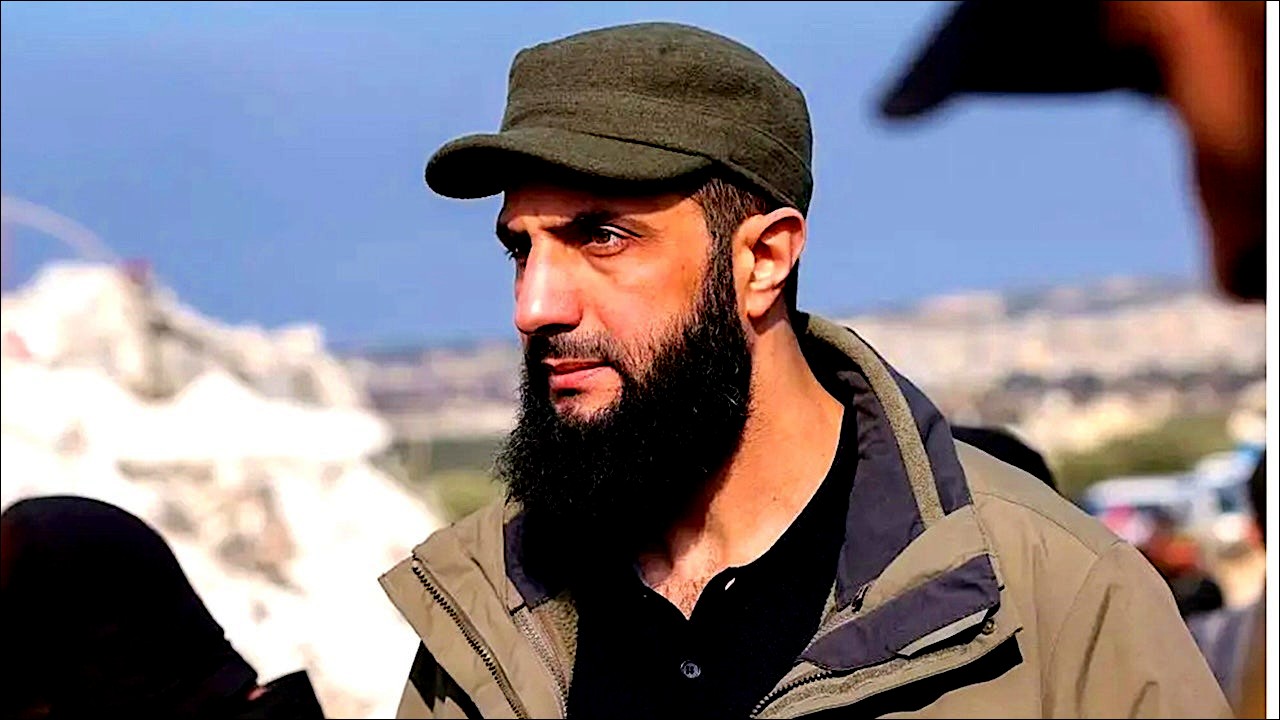
Ahmed al-Sharaa, who recently emerged as Syria’s interim president after leading a successful revolt against the Assad regime, will address the United Nations General Assembly on Wednesday. This marks a significant moment, as it will be the first time a Syrian president has participated in high-level UN meetings since 1967.
Natasha Hall, a senior associate at the Center for Strategic and International Studies, emphasized the importance of this occasion. Al-Sharaa plans to convey a message of hope and progress for Syria, now that the Assad dictatorship has ended. He aims to discuss achievements made so far and further steps needed, such as gaining international recognition and lifting UN sanctions.
A senior official from al-Sharaa’s government shared that the president will also focus on essential issues like the need to lift sanctions limiting Syria’s recovery, the fight against terrorism, the return of displaced Syrians, and fostering a political system that truly represents the will of the people.
Having transitioned from military leader to politician, al-Sharaa has established a dialogue with Western diplomats to improve Syria’s international standing. Recently, he received support from former President Donald Trump, who suggested lifting longstanding sanctions against Syria and normalizing relations.
Al-Sharaa is also expected to advocate for much-needed reconstruction aid, as the costs to rebuild Syria after over a decade of civil war are estimated between $250 and $400 billion. Currently, around 75% of the population, or 16.7 million people, require humanitarian assistance.
Despite the optimism surrounding al-Sharaa’s leadership, experts express caution. While he has made gestures toward inclusivity and has promised to combat terrorism, some doubt whether he can be seen as a true ally of the West, given his past affiliations with extremist groups.
Former U.S. Ambassador to Syria Robert Ford noted that while there might be greater political freedoms currently than in many nearby countries, the ultimate test will be whether al-Sharaa respects individual rights in the long run.
Ambassador Barbara Leaf, who recently met with al-Sharaa, commented on his preparedness and willingness to engage in meaningful discussions about Syria’s future. However, she highlighted the ongoing uncertainties regarding his intentions, especially regarding governance.
While al-Sharaa has publicly stated that Syria will no longer serve as a base for threats against neighboring countries like Israel, the political landscape remains complex. As he navigates the needs of various factions within his own government, questions linger about the direction in which Syria will head under his rule.
The situation in Syria is precarious, with ethnic and sectarian tensions continuing to flare. Recent violence and attacks, particularly against the Druze and Christian communities, raise concerns about security and stability in the region.
As al-Sharaa steps onto the world stage, the eyes of many will be on him to see if he can truly steer Syria toward a brighter future, one marked by peace and reconstruction amid the remnants of war.
