
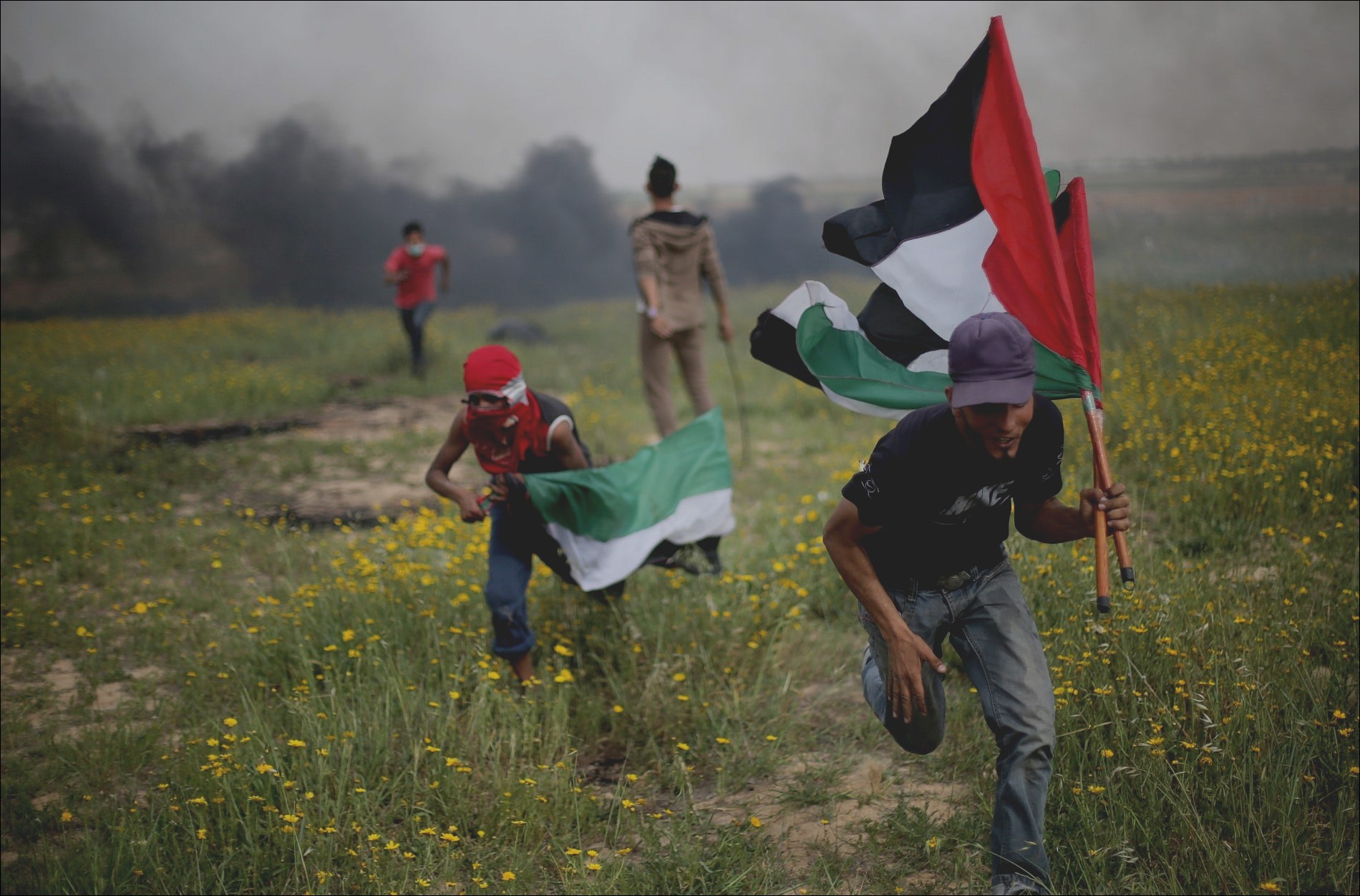
Growing Calls for Palestinian State Recognition Amid Ongoing Conflict
In response to alarming reports about famine in Gaza, leaders from France, Britain, Canada, and other nations are considering formally recognizing a Palestinian state. This move aims to help resolve the nearly two-year war in the region.
However, Israeli officials announced plans to intensify their military operations in Gaza, stating that this is necessary to defeat Hamas, the group accused of launching an attack on Israel on October 7, 2023.
Recognition of a Palestinian state might happen as early as next month during the United Nations General Assembly. Still, questions remain about how this recognition might affect efforts to achieve lasting peace in a conflict that has persisted for decades. Hamas currently controls Gaza, holding around 50 hostages, while the Palestinian Authority in the West Bank is viewed as weak.
UK’s Stance on Palestinian Statehood
British Prime Minister Keir Starmer announced that the UK would only recognize a Palestinian state if Israel does not agree to a ceasefire and if Hamas disarms. This stance highlights the complex political landscape surrounding the conflict.
Meir Ben Shabbat, a former national security advisor in Israel, expressed skepticism about the initiative, suggesting that the focus should be on practical solutions, not just symbolic gestures. He noted that many in the international community may believe that recognizing Palestine could pave the way for peace, but it remains uncertain if these actions will have tangible effects.
Palestinian Perspectives
A senior Hamas official stated that international recognition of Palestine has been propelled by the October 7 attack, forcing the world to pay attention to the Palestinian struggle. They argue that now is the time for global support, emphasizing Palestinian aspirations for freedom and statehood.
Israeli leaders warn that recognizing a Palestinian state at this stage could inadvertently encourage terrorism and may not significantly boost the standing of Mahmoud Abbas, the Palestinian Authority President, who faces accusations of corruption and has not called for elections in 20 years.
Views on Recognition’s Impact
Experts like Ben Shabbat indicate that the actual impact of recognizing a Palestinian state should not be overstated, as it doesn’t resolve key issues like borders. Most countries already viewed Palestine as a state when it gained non-member observer status at the UN in 2012.
Political analysts suggest that current declarations might only be symbolic actions prompted by recent events. Some warn these responses could complicate diplomatic efforts rather than lead to constructive change.
A Need for Real Solutions
Huda Abu Arqoub, a Palestinian peace advocate, described a sense of despair among Palestinians, making it difficult to focus on future solutions. She emphasized the importance of rebuilding trust within the Palestinian community before pursuing any political process.
Instead of merely taking sides, she argues, the international community should focus on facilitating a transitional phase for Palestinians. This would allow them to decide on their political future and potential solutions outside the framework established decades ago.
As the situation unfolds, the recognition of a Palestinian state continues to be a topic of heated debate, intertwining diplomatic efforts with the urgent humanitarian needs in Gaza.
