
Israel’s Security Cabinet Approves Plan for Gaza City Occupation
On Friday, Israel’s Security Cabinet moved forward with a plan to occupy Gaza City, intensifying the ongoing conflict with Hamas. This decision came after a lengthy meeting led by Prime Minister Benjamin Netanyahu, who emphasized the objective of regaining control over the territory and eventually transferring authority to Arab forces opposed to Hamas.
The Prime Minister’s office stated that the Security Cabinet adopted five key principles to conclude the war. These include disarming Hamas, ensuring the return of all hostages, demilitarizing the Gaza Strip, maintaining Israeli security control, and establishing a new civil administration that would not be aligned with either Hamas or the Palestinian Authority.
A significant majority within the Security Cabinet felt that an alternative plan would not adequately defeat Hamas or facilitate the return of hostages, prompting their support for the current strategy.
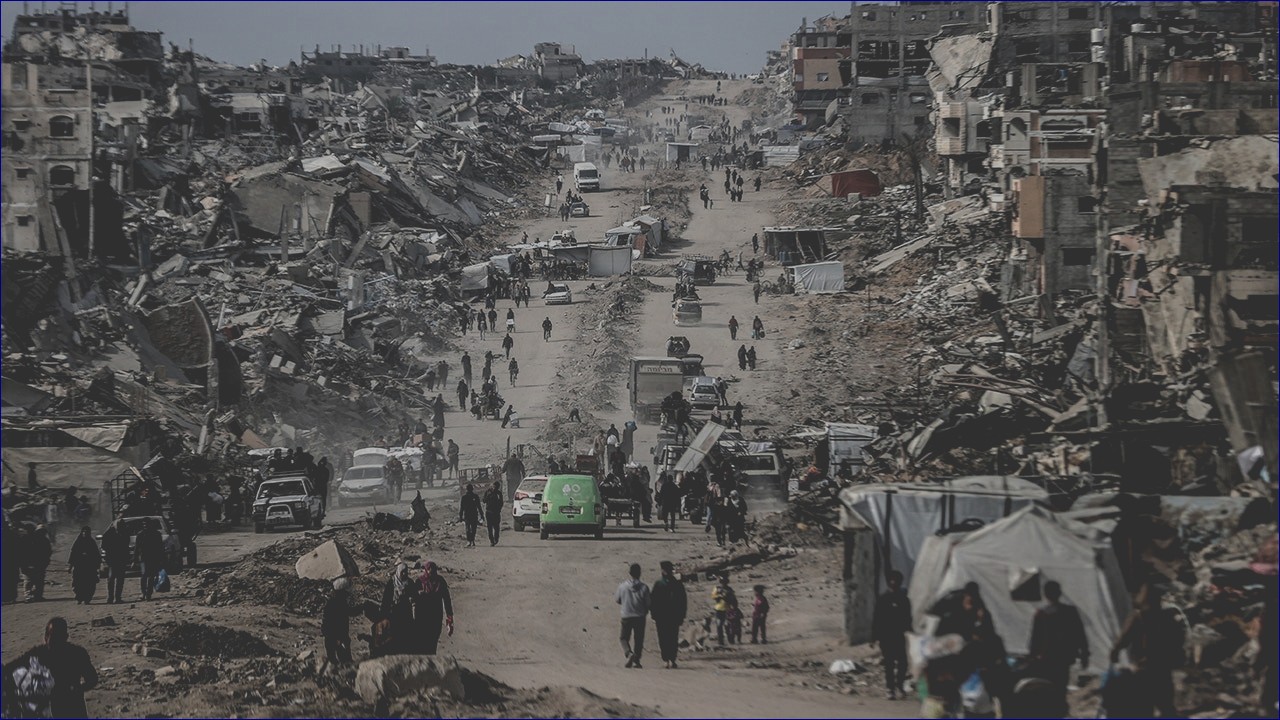
Since the violence escalated following a massacre on October 7, 2023, Israel has conducted numerous attacks on Gaza City, which remains one of the last areas not designated as a buffer zone or under evacuation orders. Many residents had fled during prior conflict escalations but returned during a temporary ceasefire earlier this year.
In interviews leading up to the Security Cabinet meeting, Netanyahu reaffirmed Israel’s intent to gain total control of Gaza to ensure security and improve life for its residents. He expressed a desire to establish a “security perimeter” and transfer governance to Arab forces.
This planned military occupation is a stark contrast to Israel’s full disengagement from Gaza two decades ago, when they removed around 8,600 Jewish residents and Hamas subsequently took control through a violent coup.
The current conflict began after Hamas militants killed around 1,200 people and abducted 251 during the October attack. Since then, casualties have soared, with over 60,000 Palestinians reportedly killed in Israel’s retaliatory operations, according to Hamas-run health reports, which do not differentiate between civilians and combatants.
While many hostages have been released during ceasefire negotiations, 50 are still believed to be in Gaza, with Israeli officials estimating that approximately 20 are still alive.
