
Girmitya Community Seminar Highlights Resilience and Heritage
By Pradeep Ramlall | Published 10 hours ago
Recently, the Global Girmitya Centre SA hosted a seminar highlighting the challenges, history, and identity of the Girmitya community. This gathering aimed to recognize their resilience and contributions, despite facing hardships and discrimination throughout history.
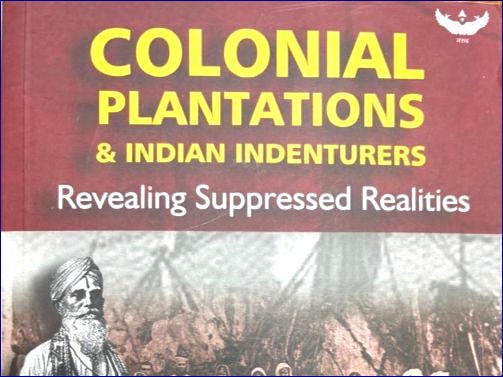
The event took place in Umhlanga and saw participation from over 200 attendees, along with online delegates from countries like India, Trinidad and Tobago, Guyana, Fiji, and Mauritius. A key moment of the seminar was the launch of a new book titled Colonial Plantations and Indian Indenturers, Revealing Suppressed Realities, authored by Professors Kapil Kumar and Sandili Maharaj-Ramdial.
Challenges and Contributions of the Indian Diaspora
Dr. B Singh from the Global Girmitya Centre addressed the history of the Indian diaspora in South Africa. He shed light on how colonialism and racism have impacted the community, while also emphasizing their strength and perseverance. He called for more research to better understand the contributions of this community to South Africa and the global landscape.
Understanding Girmitya Identity
Guyanese lawyer and human rights advocate Ravi Dev discussed the evolution of Girmitya identity, explaining that it is formed through historical events rather than merely a result of migration. He touched on the difficulties faced by Girmitya people, such as low wages and discrimination, and how they have managed to thrive by creating new industries and contributing significantly to agriculture, especially in rice farming.
Citizenship Rights and Historical Struggles
Dev also highlighted the long-standing fight for citizenship rights by Indian diaspora communities, particularly in South Africa and Guyana, where colonial governments denied full rights to Indian immigrants. He urged Girmitya communities in South Africa to actively engage in politics while preserving their cultural identity.
Revisiting Girmitya History
Professor Kapil Kumar provided insights into the historical narrative of Indian indentured laborers, urging a move away from traditional colonial language. He emphasized that the Girmityas were not just poor migrants, but included individuals who resisted colonial rule. He advocated for a deeper understanding of their migration experiences and the challenges they faced.
Strengthening Connections and Mental Health
Kumar also spoke on the need for direct flights connecting Girmitya communities, particularly to the Caribbean and Pacific regions, which could ease travel challenges and emotional burdens tied to family connections. Professor Ramdial-Maharaj, a psychologist, emphasized the psychological impact of historical trauma on Indian diaspora communities, urging for culturally relevant support systems.
Cultural Identity and Future Directions
Discussion about the oppressive nature of colonial rule pointed to the importance of recognizing its long-term effects. Retired Vice Chancellor Professor Ganesh Chand shared insights on the evolution of the Girmitya community from indentured laborers to empowered citizens, highlighting their investments in education and infrastructure.
Initiatives for Heritage and Empowerment
The seminar also focused on the importance of documenting Girmitya history, suggesting initiatives to digitize archives and include this history in school curricula. Participants emphasized the need for a united community voice, advocating for their rights while remaining connected to their cultural roots.
In closing, discussions centered around hosting a global Girmitya conference in South Africa, encouraging the community to take charge of their future independently.
Pradeep Ramlall is the Secretary of the Global Girmitya Center – South Africa.
Note: The views expressed in this article do not reflect the official positions of any affiliated organizations.
