
India’s Soft Power: How Tourism and the Diaspora Shape Global Perspectives
In the 21st century, India is rising as a significant player on the global stage, not just because of its economic strength or military capabilities, but also through its soft power—an ability to connect and influence others through culture, values, and diplomacy. Two key elements of this soft power are tourism and the Indian diaspora, both of which are essential in enhancing India’s image and influence worldwide. With changing immigration policies and a dynamic geopolitical environment, these elements have become increasingly important.
Tourism: Opening Doors to Global Awareness
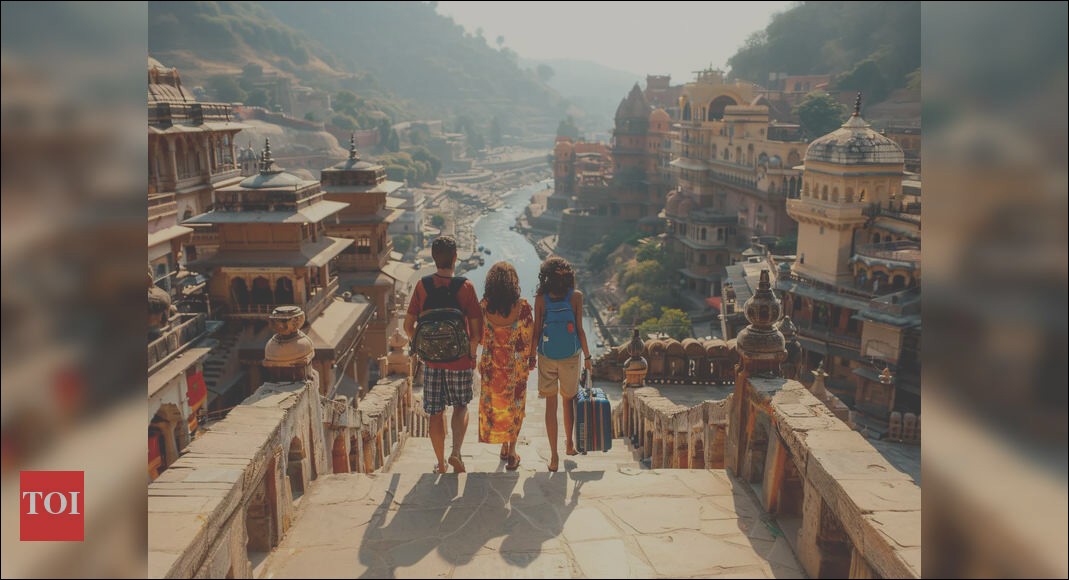
Tourism serves as a major window into India’s cultural diversity and richness. The Ministry of Tourism reported that India welcomed about 6.19 million international visitors in 2022—a notable decline from 10.93 million in 2019 due to the pandemic. However, early data for 2023 indicates a rebound, with 9.24 million visitors expected. This surge can be attributed to India’s diverse heritage, spiritual traditions, and modern amenities. In 2021, tourism contributed about 5.8% to India’s GDP, amounting to approximately INR 13.2 lakh crore (about $150 billion). Experts project that by 2031, this figure could grow to INR 33.8 lakh crore, highlighting tourism’s vital role in enhancing India’s global stature.
The recent G20 presidency in 2023 further spotlighted India’s tourism potential. Events such as yoga retreats in Rishikesh and heritage tours in Delhi showcased India’s cultural wealth, promoting it as a hub for cultural diplomacy. Programs like the G20 tourism summits and the Vibrant Villages Programme have bolstered India’s image as a committed player in sustainable tourism. The revamped "Incredible India" campaign effectively uses social media to attract younger audiences and present India as more than just a historical destination.
Wellness and Medical Tourism: Attracting Global Visitors
India also excels in wellness and medical tourism. In 2019, it was the fifth-largest destination for medical travel, with a healthcare sector worth $9 billion. Initiatives like "Heal in India" and "Heal by India," launched in 2022, have attracted international visitors seeking affordable, high-quality healthcare through Ayurveda and yoga. In 2020, around 183,000 foreign visitors came for medical reasons, and this number is expected to rise in the post-pandemic landscape. Each patient returning home acts as a goodwill ambassador for Indian hospitality, providing a boost in foreign exchange and building positive relationships.
However, tourism in India faces criticism, notably around sustainability. Issues such as overcrowding at iconic locations like the Taj Mahal and environmental challenges from rapid development raise alarms. While optimistic forecasts from the World Travel and Tourism Council look promising, they sometimes overlook these critical concerns, emphasizing the need for India to find a balance between development and preservation.
The Indian Diaspora: Strengthening Soft Power and Diplomacy
Beyond tourism, India’s diaspora—over 32 million strong—plays a crucial role in its soft power strategy. This global community, spread across 200 countries, enhances India’s diplomatic and cultural influence. According to the World Bank, India received more than $111 billion in remittances in 2022, with the U.S. contributing over 20% of this amount. The impact of the diaspora goes beyond financial contributions; figures such as Bollywood, yoga, and festivals like Diwali help create a vibrant Indian identity worldwide.
The influence of Indian-Americans, particularly, is noteworthy, with their collective purchasing power reaching $381 billion. Initiatives like the Know India Programme and Pravasi Bharatiya Divas help engage second- and third-generation Indians, turning them into cultural ambassadors.
Politically, the diaspora holds substantial sway, with influential figures like U.S. Vice President Kamala Harris, former Portuguese Prime Minister Antonio Costa, and U.K. Prime Minister Rishi Sunak. However, there are challenges in fully realizing this potential. Issues surrounding demands for dual citizenship and uneven attention given to affluent non-resident Indians over workers in the Gulf countries highlight gaps in engagement strategies.
Looking Ahead: Opportunities for Growth
Tourism and the diaspora are interconnected: while tourists get to experience India’s culture firsthand, the diaspora nurtures that experience abroad. A student visiting Varanasi might later join an Indian-American’s Holi celebration in Berlin, amplifying India’s story. Nonetheless, challenges linger—India needs to focus on sustainable tourism development and more strategic outreach to its diaspora. Investing in infrastructure, enhancing digital engagement, and adopting a robust public diplomacy strategy could help ensure that India’s soft power translates into enduring global influence.
In conclusion, both tourism and the Indian diaspora are pivotal in shaping a positive global perception of India. Together, they have the potential to elevate India’s soft power, contributing to a deeper understanding of its rich culture and values around the world.
