
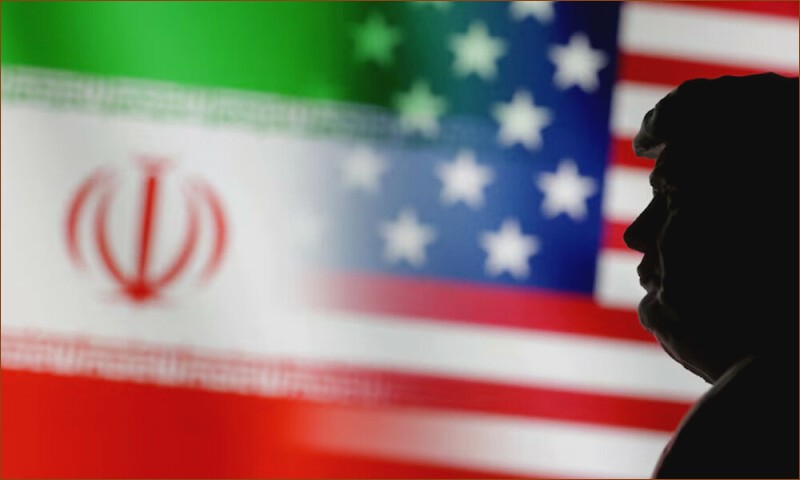
Trump Warns Iran of Possible Bombing and Sanctions Over Nuclear Deal
In a recent interview, U.S. President Donald Trump issued a stern warning to Iran, suggesting that military action could be on the table if an agreement on its nuclear program isn’t reached. This statement came after Iran declined to engage in direct talks with the United States.
Trump, speaking to NBC News, mentioned that U.S. officials were in communication with their Iranian counterparts but did not go into detail. He asserted, “If they don’t make a deal, there will be bombing—bombing the likes of which they have never seen before.”
Alongside the threat of bombing, Trump hinted at the possibility of reinstating secondary tariffs on Iran, similar to those imposed four years ago. He remarked, “There’s a chance that if they don’t make a deal, that I will do secondary tariffs on them.”
In response, Iran communicated through Oman, rejecting the notion of direct negotiations while faced with U.S. pressure and military threats. Tehran’s foreign minister indicated that under these conditions, engaging directly with the U.S. is not feasible.
Iranian President Masoud Pezeshkian supported this stance, stating that while direct talks with the U.S. are off the table, Iran remains open to indirect negotiations. He pointed out that Ayatollah Ali Khamenei has emphasized the importance of these indirect discussions.
In the same NBC interview, Trump mentioned the possibility of applying tariffs not just to Iran but also to Russia, as he signed an executive order authorizing tariffs on buyers of Venezuelan oil.
This latest warning is part of Trump’s broader strategy, which previously saw him withdraw from a landmark 2015 nuclear agreement. The deal aimed to limit Iran’s nuclear activities in exchange for sanctions relief. Following the withdrawal, Trump reintroduced strict sanctions, which have led Iran to exceed the agreed-upon limits in its uranium enrichment practices.
Despite Trump’s warnings, Iran has yet to show a willingness to agree to negotiate under the current circumstances. Western nations remain concerned that Iran is pursuing a secret agenda to develop nuclear weapons capabilities, while Tehran insists that its nuclear initiatives are solely for peaceful energy purposes.
