
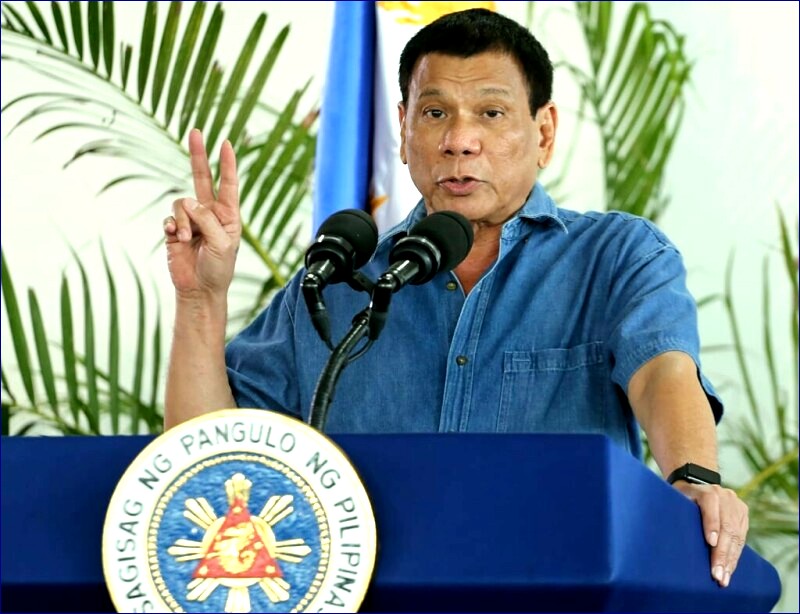
The Hague: Key Proceedings Against Former Philippine President Rodrigo Duterte Make Waves at the ICC
The International Criminal Court (ICC) is set to receive former Philippine President Rodrigo Duterte, an event that is seen as a significant moment for the court amidst growing criticism and challenges, including sanctions from the United States. At 79, Duterte will make history as the first former Asian leader to stand trial at the ICC, facing serious accusations of crimes against humanity linked to his controversial "war on drugs."
His transfer from Manila to The Hague to confront these allegations comes at a crucial time for the ICC, providing a much-needed boost to the institution’s reputation. Willem van Genugten, a Professor of International Law at Tilburg University, described Duterte’s arrival as a significant advancement for the court, likening it to a "gift" in a challenging period.
Melanie O’Brien, an Associate Professor of International Law from the University of Western Australia, echoed this sentiment, calling Duterte’s arrest and surrender “monumental.” She pointed out that this case represents a hopeful moment for the ICC and international law at large.
Critics have often accused the ICC of focusing too heavily on lower-level suspects, particularly from Africa, and have raised concerns about its conviction rates. Van Genugten emphasized the importance of landing a high-profile figure like Duterte, showcasing that even prominent political leaders are not above the law.
Despite the ICC’s past setbacks — such as the acquittals of former leaders like Laurent Gbagbo and Jean-Pierre Bemba — O’Brien believes that Duterte’s case is particularly strong, making it more likely to secure a conviction. The charges he faces stem from a single accusation: the crime against humanity of murder.
As the legal proceedings unfold, many eyes will be watching how this landmark case impacts the ICC and its mission to uphold justice on an international scale.
