
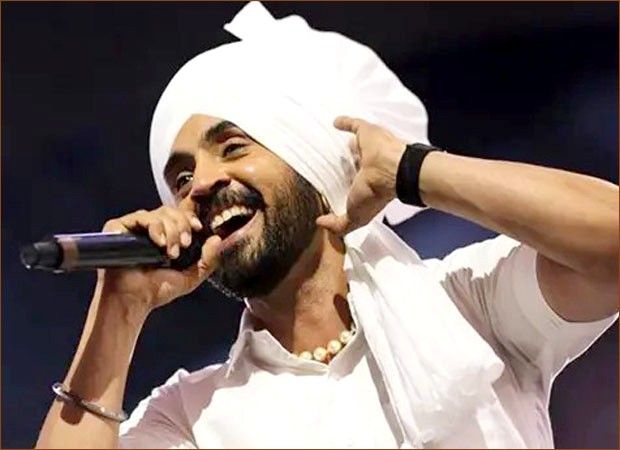
Singer and actor Diljit Dosanjh is facing legal challenges following his recent New Year’s Eve concert in Ludhiana. This concert, part of his ongoing Dil-Luminati India Tour, has stirred controversy due to concerns over his performance of songs that contain references to alcohol, including popular tracks like “Patiala Pegg,” “5 Tara Theke,” and “Case (Jeeb Vicho Feem Labbiya).”
The issue came to light after a complaint was submitted by Punditrao Dharenavar, an assistant professor from Chandigarh. He expressed worry about the influence these songs could have on young listeners. In response, the Deputy Director of the Women and Child Department in Punjab took action by issuing a notice to the District Commissioner in Ludhiana. The notice requested that local authorities take steps to restrict Dosanjh from performing these particular songs during his concert.
The complaint pointed to previous warnings given to Dosanjh by various commissions, which advised him about the negative implications of performing songs that promote alcohol use. Even attempts to change the lyrics have not alleviated the controversy surrounding them.
This legal situation finds support in a ruling from the Punjab and Haryana High Court in 2019, which mandated that police ensure no songs promoting alcohol, drugs, or violence are played at public events. The court emphasized the harmful effects such songs can have, particularly on children in attendance.
Dharenavar also voiced criticism regarding Dosanjh’s choice to perform these songs while wearing a pagadi, a traditional headpiece. He stated that combining these negative messages with a respected cultural symbol could mislead young audiences.
This isn’t the first time Diljit Dosanjh has been scrutinized for his song lyrics. In 2024, he received a legal notice during a concert in Hyderabad for similar concerns, and at a show in Indore, he was accused of issues related to ticket sales.
The ongoing discussions about the impact of music lyrics on young audiences continue to raise important questions about the responsibilities of artists in their performances.
