
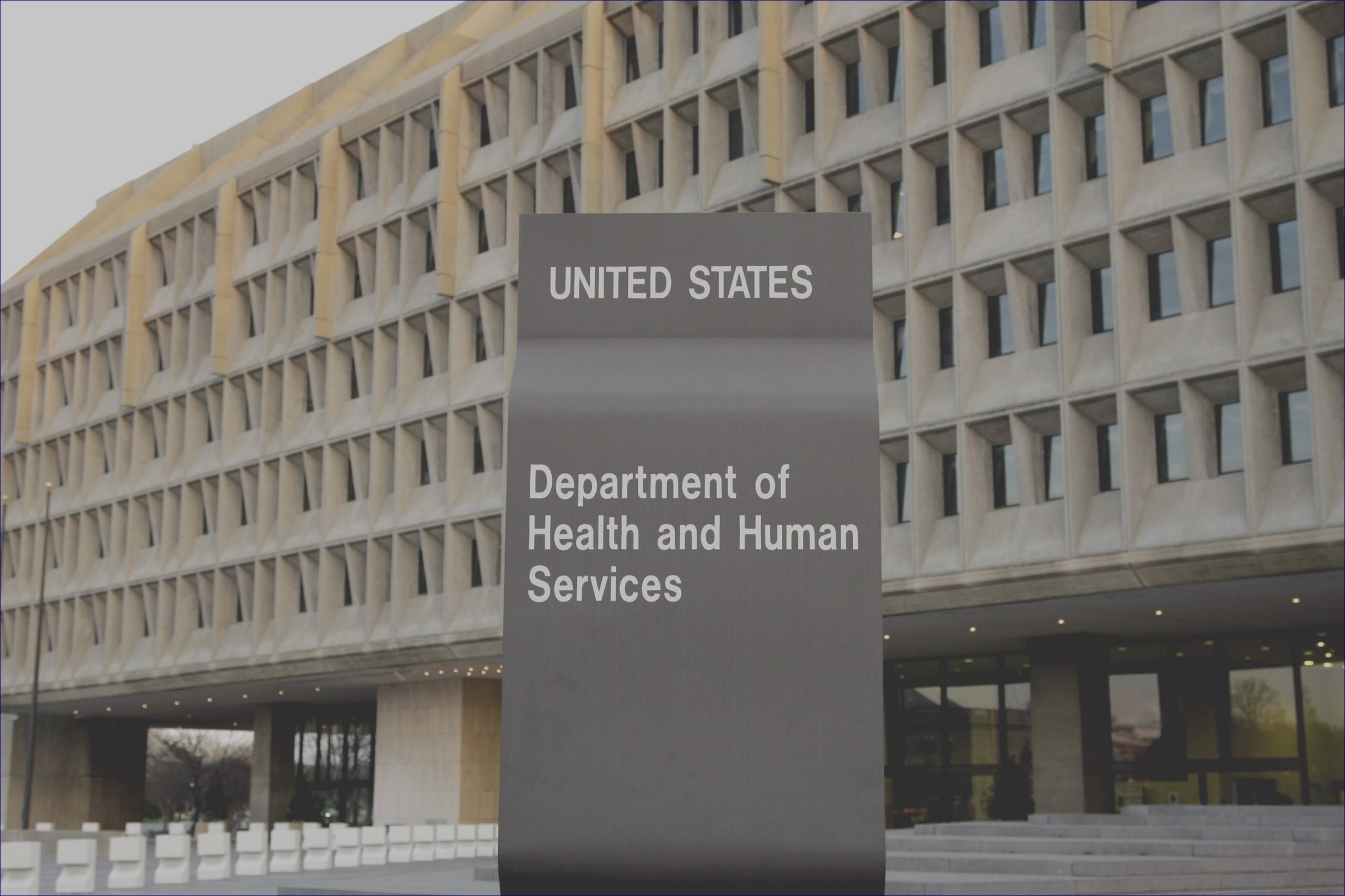
Effort to Enhance Safety in Hospitals Through New Dashboard Initiative
Hospitals play a vital role in caring for the sick and injured, but they can also pose risks to patients and healthcare workers. To address these dangers, a branch of the Health and Human Services Department is aiming to cut patient and staff harm in hospitals by 50%. To track these improvements, they have created a new safety dashboard that collects data on safety incidents.
Craig Unsheid, the director of the Center for Quality Improvement and Patient Safety, recently shared insights on the initiative. He highlighted that many people have experienced or heard about the risks associated with hospital stays. Problems can arise from infections linked to healthcare practices or errors in medication. Studies indicate that as many as 25% of hospital admissions may involve such safety issues, prompting the agency to find ways to reduce these occurrences.
When asked how information about hospital safety is collected, Unsheid explained that the dashboard compiles data from various sources. Some comes from agencies that record patient safety events during surgeries, while hospitals also report their safety records to insurers, including Medicare. These reports help track infections related to procedures like hip or knee replacements. Additionally, hospital staff provide insights through surveys about their work environment and the overall culture of safety within their institutions.
Unsheid emphasized that hospital safety isn’t just about protecting patients but also about ensuring a safe work environment for healthcare workers. The dashboard monitors safety measures for both groups, utilizing data from voluntary staff surveys regarding safety culture in their hospitals.
The dashboard is part of a broader national effort to enhance patient and workforce safety, especially following the increase in adverse events during the COVID-19 pandemic. As a response to these challenges, the Secretary of Health and Human Services encouraged healthcare systems to reaffirm their commitment to safety.
Since the onset of the pandemic, preliminary data from 2022 shows signs of improvement, with reductions in adverse events ranging from 10% to 15%. The aim is to significantly lower these incidents by 2026.
The dashboard is publicly accessible and can be found on the AHRQ website. It is an important tool not only for health officials and policymakers but also for patients and safety advocates. Unsheid highlighted that understanding and addressing safety challenges requires ongoing feedback and assessment across healthcare systems.
Furthermore, the dashboard allows for analyzing trends and safety performance relating to various factors, such as demographic data and geographic locations, providing richer insights into hospital safety.
In closing, Unsheid noted that this ongoing effort is just the beginning. Plans are in place to expand the dashboard’s capabilities and include additional healthcare settings, ensuring continuous improvement and greater safety for both patients and healthcare providers in the future.
