
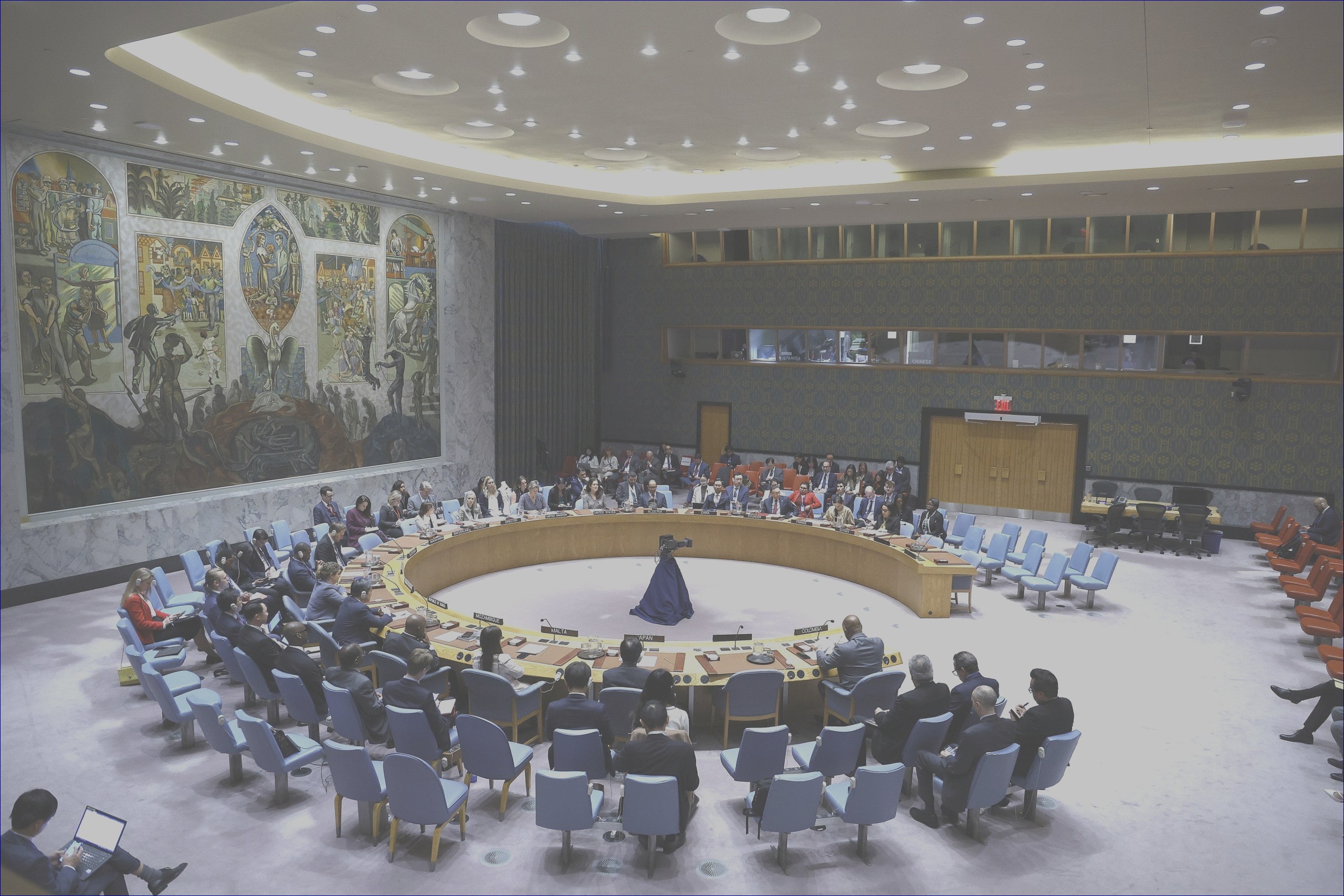
JERUSALEM – Just hours ahead of a scheduled vote by the United Nations Security Council on a resolution proposed by Algeria that many view as anti-Israel, the Biden administration has remained silent about its voting intentions. This resolution seeks to end Israel’s military actions against Hamas, which the Jewish state regards as a defense measure.
Notably, Algeria’s role in crafting this resolution has drawn criticism, echoing a famous saying from the late Israeli Ambassador to the U.N., Abba Eban, who once wittily commented that a resolution from Algeria could pass even if it claimed that the Earth is flat due to Israel.
The proposed resolution has caused backlash from various political figures, including Republican Senator Ted Cruz. Cruz characterized this resolution as part of a series of attacks on Israel orchestrated at the U.N. He emphasized the need for a strong response from the U.S. government, suggesting reevaluating aid policies and possibly imposing sanctions.
Reports indicate that experts at the U.N. fear the Biden administration might repeat a previous mistake where it allowed an anti-Israel resolution to pass without a veto during President Obama’s final days in office.
On the day of the debate, U.S. Ambassador to the U.N., Linda Thomas-Greenfield, spoke but did not mention the impending resolution. Instead, she reiterated the U.S. commitment to ending the conflict in Gaza and emphasized securing the release of hostages.
Critics, including Anne Bayefsky from Human Rights Voices, argue that the U.S. under Biden is misleadingly framing its actions as humanitarian, when they believe it may prolong violence and neglect the true causes of the conflict, such as Iran’s involvement and issues surrounding anti-Semitism.
Israel’s Ambassador to the U.N., Danny Danon, also voiced strong opposition to the resolution, asserting that any ceasefire not linked to the safety of hostages would essentially abandon those at risk. He stated that the proposed U.N. decision would only bolster Hamas and other forms of terrorism.
As the situation develops, many are watching closely to see how the U.S. will navigate its response to this contentious resolution.
