
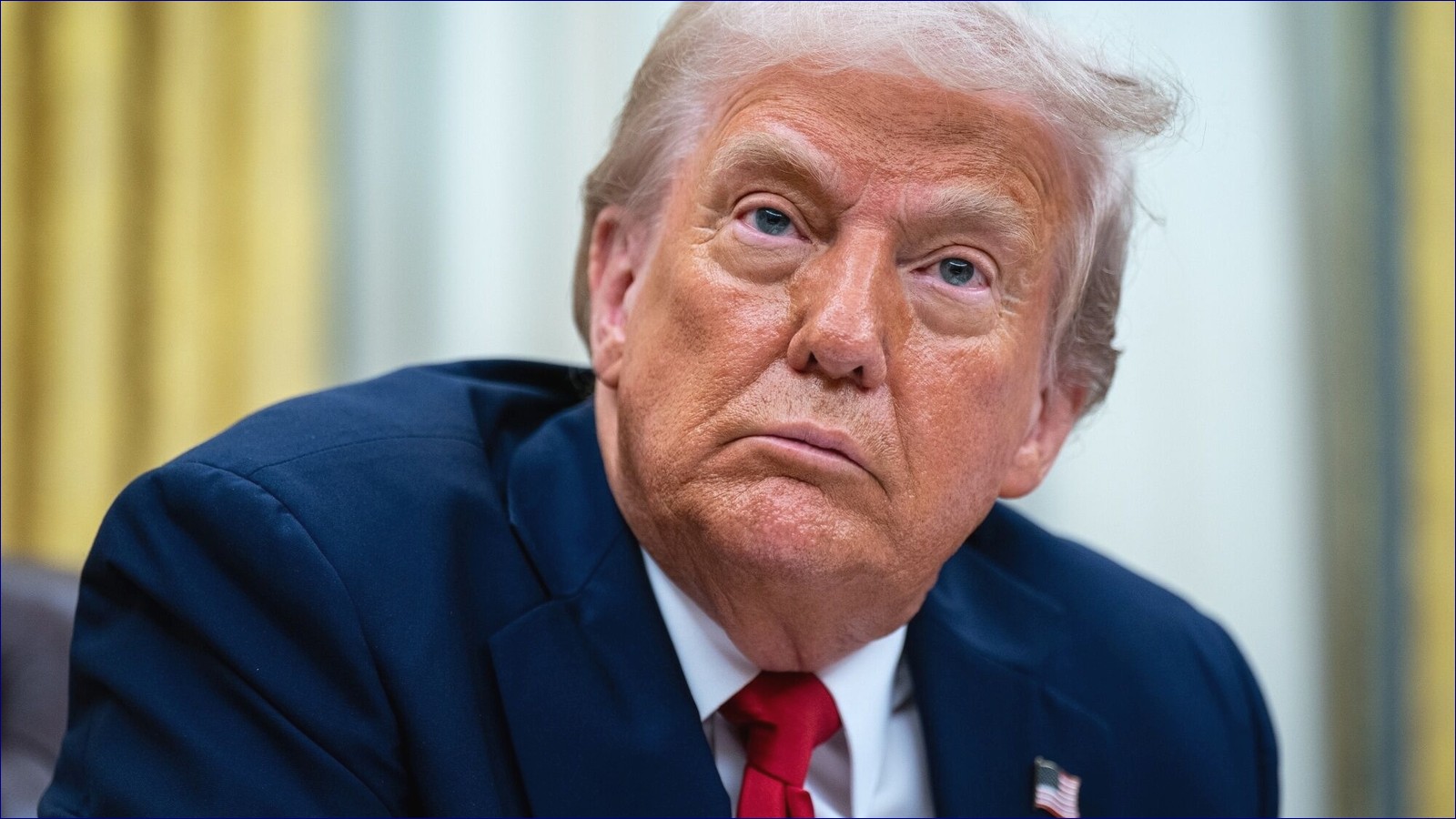
India is taking a cautious stance as it awaits the announcement of reciprocal tariffs by U.S. President Donald Trump, which is set to make headlines soon. Instead of rushing to respond, Indian officials prefer to analyze the actual effects of these tariffs on their economy and trade before deciding on their next steps.
According to reports, Trump’s upcoming tariffs could significantly impact trade relationships, especially with countries like China, Mexico, Canada, and those in the European Union. In fact, some reports suggest these nations may see their export opportunities diminished, potentially giving Indian exports a competitive edge. However, the Indian government is also aware that these tariffs could lead to increased costs and narrower profit margins for many sectors.
In comments made by a well-placed source, it was highlighted that during this uncertain period, India will closely monitor the tariffs and their effects on its trade. This approach is driven by India’s preference to assess trade deals based on their overall compatibility rather than solely focusing on tariff levels.
This wait-and-see strategy signifies a sharp contrast to the European Union, which has prepared a strong plan for retaliation against U.S. tariffs. EU officials, including President Ursula von der Leyen, have emphasized that they will not hesitate to counter U.S. measures if necessary, indicating the complexity of global trade dynamics.
Indian officials have drawn up various scenarios, each outlining the potential impacts of different tariff situations. The most severe outcomes indicate that if the U.S. pursues aggressive tariff measures, India’s economy could face challenges.
Meanwhile, Trump has hinted that India, along with several other countries, may soon lower its tariffs. In his remarks, he stated that many nations have imposed unfair tariffs on the U.S. for years and it’s time for this to change.
While the U.S. administration is contemplating a wide range of tariffs—potentially as high as 20% on numerous imported products—India is hopeful that ongoing talks regarding a bilateral trade agreement will yield positive results. In February, Prime Minister Narendra Modi and Trump discussed plans to increase trade between the two countries, aiming for a substantial rise from $200 billion to $500 billion by 2030.
As India remains firm in its diplomatic approach, the situation continues to evolve. With major trade negotiations underway and significant regional cooperation among Asian nations like China, Japan, and South Korea, India’s proactive stance could play a crucial role in shaping its trade future amid global uncertainties.
