
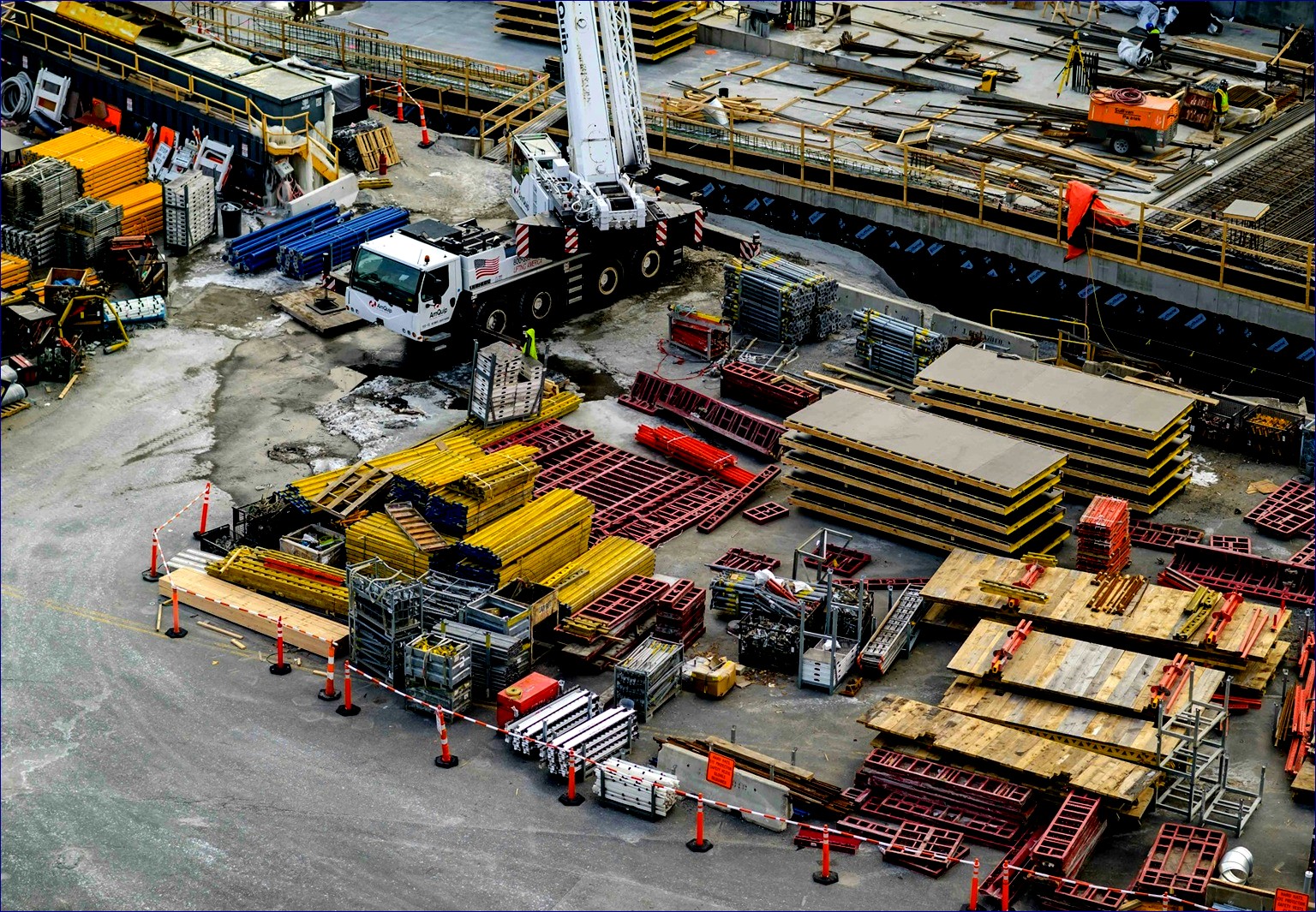
Construction Teams Embrace Smart Equipment Scheduling for Greater Efficiency
Lou Farrell, the senior editor for construction and manufacturing at Revolutionized Magazine, explores how integrating technology into the construction process can enhance the way teams manage and utilize their equipment.
Traditionally, scheduling construction equipment centered on determining which machine needed to be at a specific location and time. However, today’s projects demand a more flexible and comprehensive approach. Factors like equipment availability, operational hours, maintenance schedules, fuel consumption, project timelines, and the ever-changing conditions at job sites all play a significant role in how effectively equipment is used.
What Smart Equipment Scheduling Entails
Smart equipment scheduling takes into account various data points concerning the condition, availability, and workload of each machine. Recent studies have shown that idle equipment can highlight efficiency issues, which can often be anticipated by analyzing construction schedules.
Instead of sticking to a rigid schedule, construction teams can now leverage current and past data on equipment to make informed decisions on when to deploy, maintain, or relocate machines. This more flexible strategy can help boost equipment utilization while optimizing the use of fuel, labor, and materials.
For instance, a contractor managing multiple excavators across different projects might follow a conventional schedule that primarily considers location and workload. A smarter approach would also factor in operating hours, maintenance history, current condition, and future service needs. If one excavator is nearing a maintenance check, the system can preemptively suggest an alternate machine, ensuring workflow remains uninterrupted.
Managing equipment effectively is not just about knowing where a machine is located. Continuous monitoring can help uncover issues before they escalate into larger, costlier problems. Maintenance records also allow managers to make strategic decisions regarding repairs and future investments in equipment.
Moreover, reducing unnecessary idle time is crucial. Equipment that sits unused, yet still incurs costs through transport, storage, or scheduled maintenance, presents an opportunity for improved resource management. By reallocating available equipment, adjusting project sequences, or scheduling maintenance during downtimes, contractors can maximize their assets.
IoT Enhancements for Responsive Scheduling
The next advancement involves incorporating real-time data from equipment into scheduling processes. Internet of Things (IoT) technology enables sensors and devices to relay critical information like machine location, usage hours, and operational status.
Instead of awaiting a manual report, equipment managers can gain access to up-to-date information at any moment. The adoption of IoT in construction emphasizes its importance in areas such as equipment management, environmental oversight, predictive maintenance, and safety.
If an equipment piece is underutilized, managers can quickly reassess its assignment. Furthermore, if a machine becomes unavailable due to unforeseen circumstances, the schedule can be adjusted without delay, and location data can aid in coordinating transport between job sites. The true advantage lies in merging monitoring with decision-making; having data alone doesn’t benefit a project unless it informs new strategies for equipment deployment and maintenance.
Predictive Maintenance for Efficient Equipment Use
Maintenance scheduling is another area where technology proves beneficial. Traditionally, maintenance occurs at set intervals, but predictive maintenance allows managers to gauge equipment condition through data analysis, identifying potential issues before they arise.
By tracking operational factors like hours, vibrations, and temperature through sensors, managers are better equipped to schedule necessary maintenance, avoiding unexpected interruptions. This proactive approach helps align maintenance activities with project milestones or shifts in equipment assignments, facilitating smoother operations.
In terms of sustainability, proper maintenance prolongs equipment lifespan and enhances overall resource efficiency. A recent study on IoT in construction management indicates that connected systems significantly improve equipment utilization and the ability to make real-time adjustments to scheduling.
Integrating Technology for Comprehensive Equipment Strategies
The benefits of smart equipment scheduling multiply when it connects with other digital systems involved in construction projects. Equipment needs often depend on ongoing timelines, delivery schedules, site conditions, and overall resource availability. Interlinking these data streams provides managers with a clearer view for optimal equipment deployment.
A recent analysis of construction digital twins found that data from sensors can improve productivity forecasts while integration with building information modeling (BIM) can streamline materials logistics and resource allocation. This interconnected approach strengthens scheduling decisions by providing real-time insights on machine utilization and overall project needs.
For example, if equipment tracking reveals that a machine has excess capacity, it can be coordinated with upcoming project demands, allowing for efficient reassignment.
Technological integration also establishes a feedback loop—project schedules generate equipment needs, monitoring systems gauge machine performance, and the gathered data informs future scheduling and resource decisions. As these systems become increasingly connected, equipment management is set to become more agile and data-driven.
Advancing Sustainability through Smarter Scheduling
Improved equipment efficiency also supports sustainable construction practices by minimizing fuel consumption and maximizing resource use. A review of multiple studies has highlighted BIM, big data, IoT, and artificial intelligence as prominent technologies advancing construction sustainability through enhanced decision-making and monitoring capabilities.
For equipment managers, these advancements offer increased visibility into utilization and maintenance needs, leading to more effective scheduling that minimizes downtime and resource wastage.
A Future of Enhanced Construction Practices
Smart equipment scheduling is revolutionizing the way construction teams approach equipment use, maintenance, and overall project requirements. Coupled with IoT monitoring, predictive maintenance, and other digital technologies, this innovative strategy enables better resource management and contributes to the sustainability of construction practices.
With technology integration, construction teams gain improved visibility, enabling them to make informed decisions throughout the equipment lifecycle.
