
The FIFA World Cup: A Glorious Chapter in Football History
The FIFA World Cup is the ultimate celebration of football, captivating fans for four weeks with thrilling matches, stunning comebacks, emotional penalties, and unforgettable moments. But as we reach the final, things often change. What should be the most exciting game sometimes turns into a tense struggle for survival.
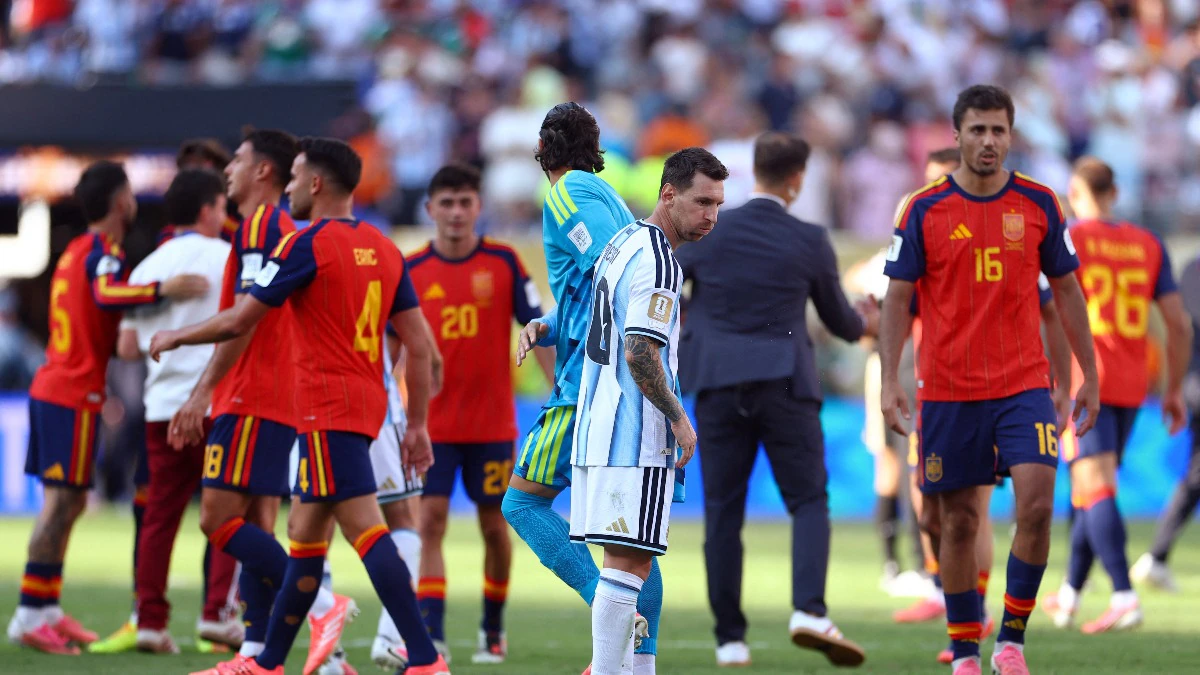
Spain’s recent 1-0 win over Argentina in the 2026 final is a case in point. After an action-packed tournament, the decisive match was won by a single extra-time goal from Ferran Torres. For Lionel Messi, who hoped to end his career with a second consecutive World Cup, it was a disappointing finish, lacking the excitement seen earlier in the tournament.
This trend of cautious finals is becoming all too familiar. While the World Cup continues to showcase unforgettable moments throughout the tournament, the finals often lack that same energy. Since 2002, we’ve seen four finals go to extra time, two decided by penalties, and three end with a 1-0 score after 120 minutes. The only exceptions in recent years were France’s lively 4-2 win over Croatia in 2018 and the thrilling showdown between Argentina and France in 2022.
The more teams advance to the final, the more they understand each other’s strengths and weaknesses. At this level, the stakes are incredibly high, making it harder for teams to take risks. A single mistake could erase a month of hard work.
The remarkable 2022 final between Argentina and France was a breath of fresh air. Argentina led for most of the match, but Kylian Mbappe pulled France back with two quick goals. Messi then regained the lead for Argentina, only for Mbappe to equalize again, leading to penalties. This final, filled with twists and turns, defied the cautious norms of previous matches.
To better understand this pattern, let’s take a closer look at World Cup finals from this century.
World Cup Finals Overview
2002: Brazil 2-0 Germany (Yokohama)
This final is remembered for the football rather than caution. Ronaldo, after a tough previous tournament, scored twice, leading Brazil to their fifth title against a solid German team.
2006: Italy 1-1 France (Italy won 5-3 on penalties, Berlin)
Zinedine Zidane’s headbutt on Marco Materazzi overshadowed the match. Zidane scored first, but Italy equalized and later clinched the title in a dramatic penalty shootout.
2010: Spain 1-0 Netherlands (Johannesburg)
A tense and scrappy final, where Andres Iniesta scored late in extra time to give Spain their first World Cup, amidst 14 yellow cards and reckless tackling.
2014: Germany 1-0 Argentina (Rio de Janeiro)
Germany showed patience as they capitalized on a late opportunity to win, becoming the first European champions in South America.
2018: France 4-2 Croatia (Moscow)
Finally, a thrilling final! The match was filled with goals and excitement, making it a standout in recent history.
2022: Argentina 3-3 France (Argentina won 4-2 on penalties, Lusail)
A final that broke all trends. Argentina dominated early, but Mbappe’s quick brace shocked everyone. The match ended in penalties after a stunning rollercoaster ride.
2026: Spain 1-0 Argentina (New Jersey)
The latest final saw Spain control the game but only managed to score after extra time, highlighting the trend of cautious play. Argentina, down to ten men, couldn’t respond, and Messi struggled for opportunities.
Understanding the Trend
Spain’s victory felt expected, showcasing a pattern where the World Cup finals have often become tense and low-scoring. Four of the last eight finals have gone past 90 minutes, and many ended with just one goal separating the teams.
While thrilling moments do happen, they stand out in a context where decisive plays are rare. Zidane’s headbutt, Iniesta’s goal, and other key moments remain etched in memory, as they carried significant weight in matches where chances were few.
Ultimately, the World Cup final serves as a reminder that winning is the primary goal. Although every tournament offers excitement, the final often turns into a more cautious affair, where the fear of losing overshadows the desire for an entertaining match.
Spain’s victory over Argentina in 2026 exemplifies this trend, emphasizing that while the tournament can be filled with surprise and joy, the final often hinges on survival rather than spectacle. The World Cup is about crowning a champion, and occasionally, that means sacrificing a bit of the thrill along the way.
