
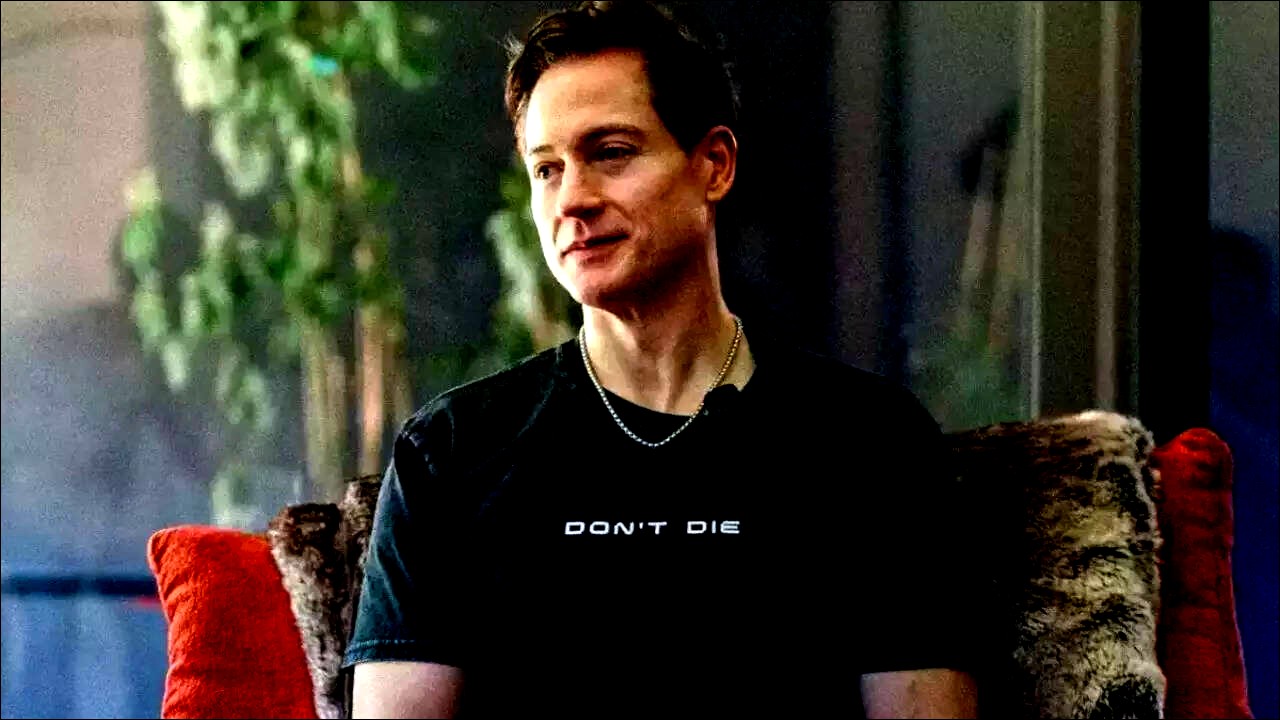
Bryan Johnson’s Take on Living and Aging
Tech entrepreneur and anti-aging advocate Bryan Johnson has sparked conversation once again. This time, he responded to critics who claim that his strict anti-aging lifestyle means he’s “forgotten how to live.” According to Johnson, this view reflects a deeper issue in our culture, where society uses indulgences and distractions to cope with the fear of death.
In a thoughtful post on social media platform X (formerly Twitter), Johnson discussed how common activities like vaping, drinking, and binge-watching are often mistaken for signs of living life to the fullest. Instead, he argues these behaviors may simply act as distractions that numb existential worries. “No one will die alone if everyone is dying together and all agree to call it living,” he pointed out, implying that many choose short-term pleasure over long-term health.
By avoiding these social norms, Johnson believes he is challenging a collective “anesthesia” that only works when everyone participates. His lifestyle often prompts criticism, which he sees as people reacting to their own discomfort with his discipline.
He contrasts modern indulgences with how pre-modern societies dealt directly with death. Those communities had rituals—like funerals and mourning—that helped them process grief, rather than covering it up with consumerism.
Johnson denies the idea that his approach is an obsessive defense against death. He describes it as an “evolutionary jailbreak,” striving for vitality rather than simply accepting the natural decline that often follows reproduction. He emphasizes that true vitality comes from self-mastery, not from abusing one’s body in the name of freedom.
The key to his philosophy is achieving a “high-resolution consciousness.” This state offers physical energy, mental clarity, and emotional depth, enabling experiences that go beyond what has been previously imagined. “I don’t intend to live a little. I intend to live more than any human who has yet lived and invite you to join me,” he concludes.
In essence, Johnson argues against the fleeting pleasures of modern rituals, suggesting that facing death openly could lead to a more enriched life. His viewpoint encourages a rethinking of how we engage with life’s pleasures, aiming for a legacy of vitality rather than merely existing.
