
Wellington, New Zealand (AP) — Australia and India have reached a significant agreement regarding the sale of uranium for peaceful purposes. This deal, signed on Thursday, has concluded years of negotiations primarily centered on the potential military use of uranium.
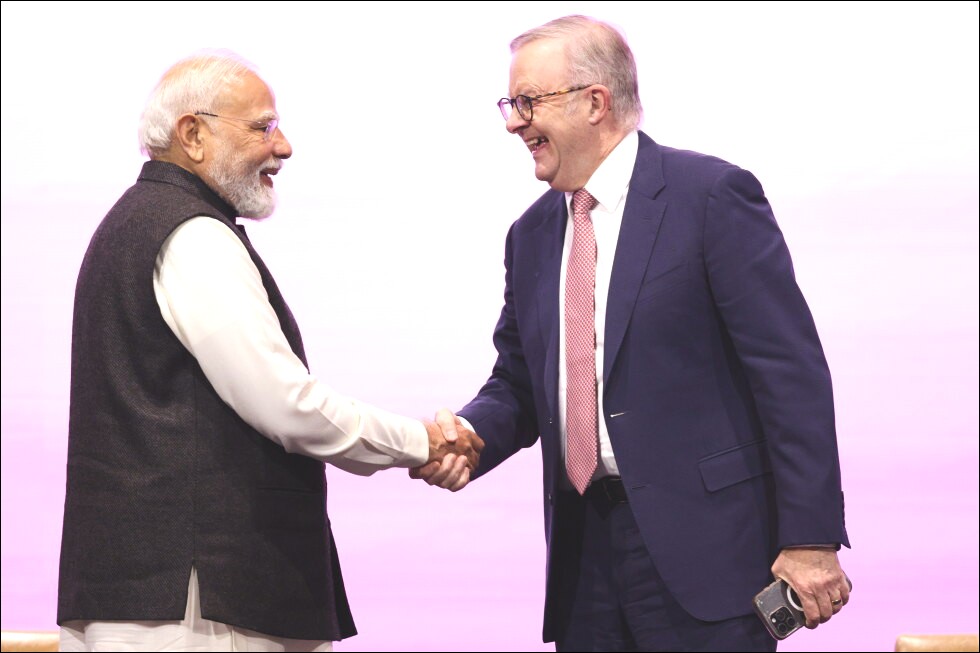
During a meeting in Melbourne, Australia’s Prime Minister Anthony Albanese and India’s Prime Minister Narendra Modi announced the agreement. However, they did not specify the volume of uranium to be sold or a timeline for the exports. Discussions about exporting Australian uranium had stalled since a preliminary agreement in 2014 due to concerns over its possible use in weapon development.
Australia boasts the largest known uranium reserves in the world but does not use nuclear power or weapons; all its uranium is exported. With a population of 1.4 billion, India aims to develop 100 gigawatts of nuclear energy by 2047, which could provide power to nearly 60 million homes annually. However, acquiring uranium has been a challenge.
In the last ten years, India has doubled its nuclear power capacity, but it still accounts for only 3% of the nation’s electricity supply. India is not a signatory to the Nuclear Non-Proliferation Treaty (NPT), which officially recognizes only five nuclear powers—the U.S., China, the UK, France, and Russia. Australia, a signatory, traditionally refrained from selling uranium to non-signatories.
India argues that the NPT is unfair, as it only legitimizes nuclear states that tested weapons before January 1967, effectively excluding India. After conducting nuclear tests in 1998, India faced international sanctions and a ban on uranium trade.
In 2008, the Nuclear Suppliers Group, which includes the U.S., granted India a waiver to buy uranium, allowing India to pursue mutual agreements for the material. Just last March, India secured a similar deal with Canada.
While Australia had previously ruled out such sales until India signed onto the NPT, it relaxed its stance, agreeing to exports in 2014 under specific conditions, including the need for International Atomic Energy Agency safeguards.
The recent administrative agreement is expected to clear the way for implementing this earlier deal.
Prime Minister Modi is in Australia for an annual summit between the two nations, where he and Albanese emphasized stronger defense and security cooperation in the Indo-Pacific region. This move reflects an important shift in the bilateral relationship.
Tensions in the region have been underscored by Australia’s recent criticism of China for its ballistic missile tests in the South Pacific, an area safeguarded by an anti-nuclear treaty. Despite this, the leaders did not reference China directly in their discussions and did not take questions from reporters afterward.
In trade, India is Australia’s fifth largest partner, with a two-way trade valued at approximately 54.4 billion Australian dollars ($37.7 billion) during the 2024-2025 financial year. Earlier this week, Modi visited Indonesia and is set to travel to New Zealand on Friday, marking his first visit there following a free trade agreement signed in April.
