
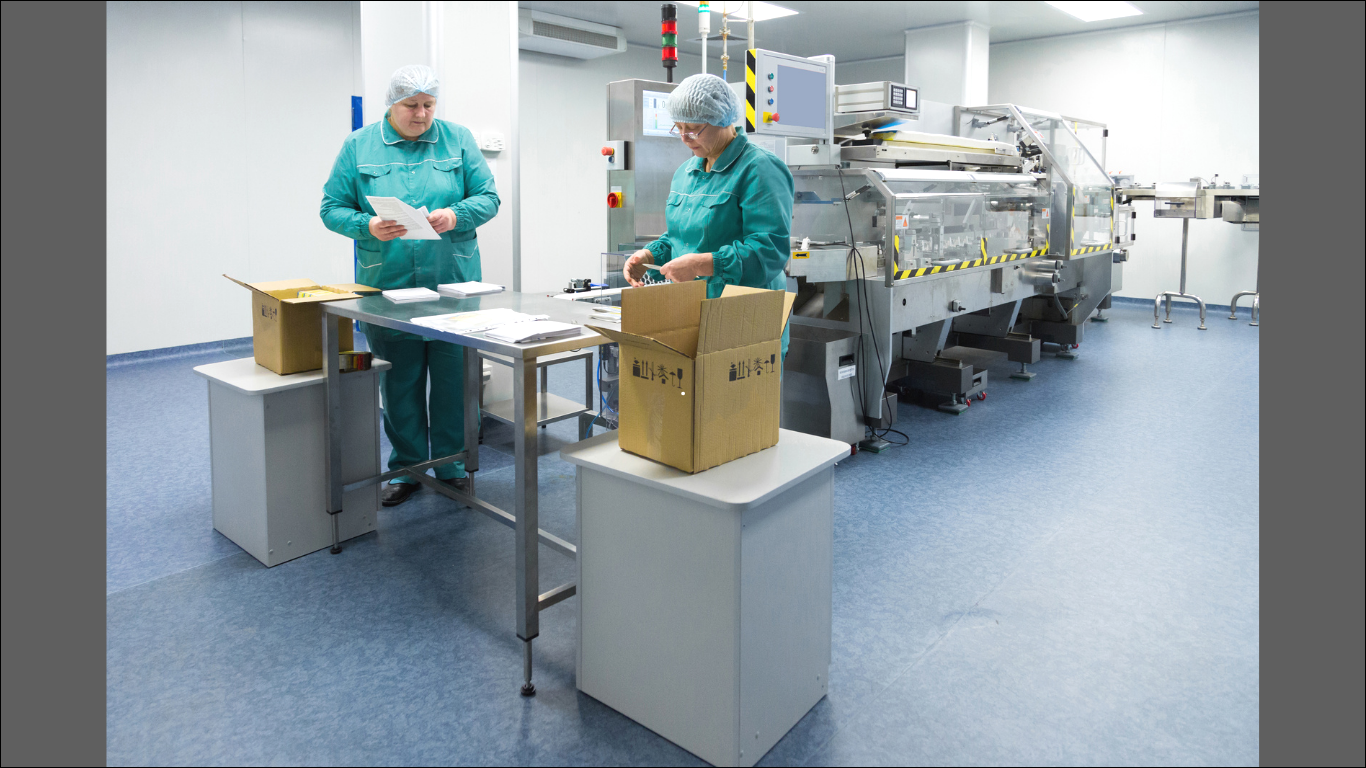
The global manufacturing industry is currently grappling with significant supply chain challenges and rising labor costs. To stay profitable, plant managers are carefully assessing their existing setups.
Sticking to older manual processes is proving to be unsustainable in today’s high-demand environment. As a result, more companies are turning to automated packaging equipment to boost productivity.
Making the Shift to Automation
Many facilities are speeding up the move from semi-automatic machinery to fully automated systems. This change is mainly driven by the need to balance stable operations with higher output.
To keep their competitive edge, plants are investing in end-to-end automation rather than relying on manual labor. Using advanced equipment like Levapack standardizes output quality and reduces the chance of human error and machine downtime.
Manufacturers now need equipment with smart servomotors and overload protection to maintain steady production cycles, even during peak demand.
Innovative Technologies in Packaging Equipment
High-Speed Seaming and Filling
Today’s automated systems are designed to handle various material types with precision. Whether working with solids, powders, granules, or liquids, modern machinery adapts to different material flows.
- Precision Dispensing: Ensures accurate volume control, reducing waste.
- Hygienic Standards: Meets strict food-grade and sealing regulations.
- Versatile Designs: Easily switches between various container types and sizes.
Connecting IoT and PLC Systems
The core of a current automated line relies on its digital technology. Advanced PLC Systems provide centralized control over the packaging process.
- Smart Servomotors: Offer precise movement control for machinery.
- Overload Protection: Detects mechanical strain to avoid breakdowns.
- Real-time Monitoring: Tracks operational metrics using IoT sensors.
Understanding the ROI of Upgrading Machinery
Balancing Labor Costs and Capital Investments
Switching to a fully automated facility involves a significant upfront cost. However, it’s crucial to look at the long-term savings in operational expenses.
- Reduced Workforce: Less reliance on manual labor for repetitive tasks.
- Lower Training Expenses: Decreases the need for continuous worker training.
- All-day Operation: Allows for 24/7 production without delays.
Cutting Down Downtime and Waste
Besides labor costs, inefficient packaging can lead to material waste and equipment downtime. Modern systems come equipped with error-proofing features to maximize production yield.
- Auto-detection Sensors: Quickly identify misaligned containers or incorrect fill levels.
- Touchscreen Resets: Help operators swiftly clear minor jams.
- Defect Reduction: Lowers the number of rejected products, saving raw materials.
Overcoming Digital Integration Challenges
The move toward fully automated facilities presents challenges, especially in merging old infrastructure with new technologies.
Yet, adopting the principles of the Fourth Industrial Revolution is vital for facilities that want to benefit from predictive maintenance and real-time data analysis.
Plant managers must ensure that new equipment fits well within their existing digital framework to avoid data isolation.
Key Points to Remember
| Area | Key Point | Impact |
| Labor | Automate repetitive tasks. | Enables round-the-clock operation without labor delays. |
| Efficiency | Use IoT and PLC-controlled smart servomotors. | Reduces product waste and enhances accuracy. |
| Finance | Shift focus from capital expense to long-term savings. | Significantly lowers workforce and material waste costs. |
| Resilience | Integrate sensors and overload safety measures. | Prevents production downtime and equipment failures. |
Conclusion
Switching to automated packaging processes is no longer just a choice; it’s a crucial requirement for thriving in today’s manufacturing landscape.
By investing in fast, IoT-connected systems, facilities can effectively tackle labor challenges and material waste issues. This strategic digital shift guarantees compliance, operational resilience, and lasting profitability.
Article received via email
