Close Menu
  • Home
  • World News
  • India News
  • Business News
  • Health
  • Sports
  • Indian Diaspora In US
  • Technology
  • Bollywood
  • Education
Facebook X (Twitter) Instagram
Friday, July 10, 2026
Breaking News
  • Outrage Erupts in Indian State Following Tragic Rape and Murder of 11-Year-Old Girl
  • Nigel Farage Steps Down from Parliament, Sparks Election Drama Amid Financial Investigation
  • Wimbledon 2026 Semifinals: Zverev Takes Charge, Overwhelming Fery in Second Set!
  • Traffic Grinds to a Halt in Strait of Hormuz Amid Rising Iran Tensions
  • Legislators Connect with AGS During Annual Arkansas Tech Visit
  • Amitabh Bachchan’s Kaun Banega Crorepati Joins Forces with Google Gemini for a Game-Changing Contestant Experience!
  • Ex-Envoy Claims Trudeau’s Accusations on Nijjar Murder Are Ridiculous and Politically Driven
  • ENGW vs INDW, Day 1 of the Only Test: Shree Charani Celebrates T20 World Cup Glory with Maiden Test Appearance at Lord’s
Facebook X (Twitter) Instagram
India Bulletin
Advertisement
  • Home
  • World News
  • India News
  • Business News
  • Health
  • Sports
  • Indian Diaspora In US
  • Technology
  • Bollywood
  • Education
India Bulletin
Home»Business News»Traffic Grinds to a Halt in Strait of Hormuz Amid Rising Iran Tensions
Business News

Traffic Grinds to a Halt in Strait of Hormuz Amid Rising Iran Tensions

July 10, 20263 Mins Read
Facebook Twitter Email
Share
Facebook Twitter Email


Traffic in Strait of Hormuz Declines Amid Rising Tensions

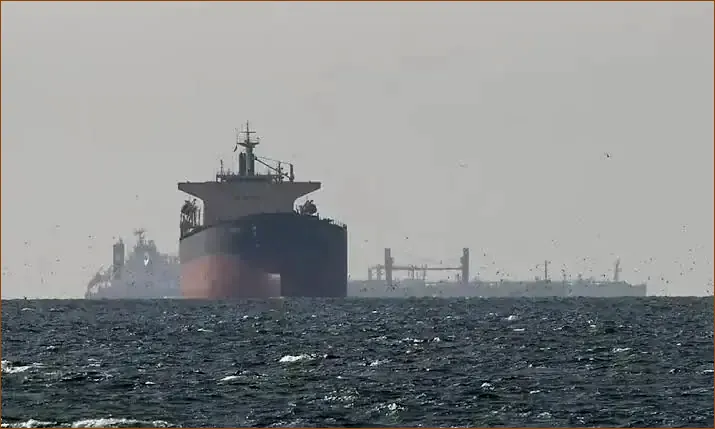
SINGAPORE/TOKYO: Recent ship-tracking data indicates that liquefied natural gas (LNG) tankers have been navigating through the Strait of Hormuz. Since Tuesday, 22 vessels linked to Japan have departed from the Gulf, although overall traffic has decreased due to escalating tensions in the Middle East.

Shipping companies and governments are on high alert following recent attacks on commercial ships by Iran and subsequent U.S. military responses.

Data from maritime tracking services showed that at least five LNG tankers, empty and in ballast, have recently entered the strait. Among these are the GasLog Shanghai, operated by a Greek shipping company, and several carriers tied to QatarEnergy: Al Samriya, Al Dafna, Al Gattara, and Al Rayyan.

The latest analysis suggests that GasLog Shanghai and Al Rayyan likely entered the strait after being spotted just outside on July 9. The other QatarEnergy-linked vessels had last been tracked off the west coast of India several weeks back, with Al Samriya and Al Gattara last seen around mid-June and Al Dafna in late June.

Representatives from QatarEnergy and GasLog did not respond immediately to media inquiries.

On Thursday, the Very Large Crude Carrier Nissos Kea entered the strait, while another, the Lila Vadinar, exited.

Changes in Vessel Routing Amid Tensions

Xavier Tang, a senior market analyst at Vortexa, noted a shift in practices, stating, “Now, Iran seems to be targeting ships using the Omani route rather than all vessels, leading to more ships opting for the Iranian route or going dark while transiting.”

Challenges in Monitoring Ship Movements

Industry insiders reported that many ships are increasingly turning off their public AIS tracking devices, making it difficult to keep track of all vessels in the area. According to Kpler, LNG and oil tanker traffic fell to its lowest level since late June, with only 10 vessels crossing on Thursday, compared to 14 the day before and 22 earlier in the week.

Despite a brief increase in traffic recently, with peak levels reaching 40 ships daily since U.S. and Israeli airstrikes began in February, current numbers still lag behind the pre-conflict average of 125 to 140 daily sailings.

In light of the tanker attacks, some insurance companies are advising shipowners to pause their voyages, leading to a rise in war insurance costs.

Japan’s Maritime Presence in the Gulf Reduces

Japanese Transport Minister Yasushi Kaneko reported that 22 Japan-linked vessels, including six large oil tankers, exited the Strait of Hormuz between July 7 and 9. As a result, only four vessels remain in the Gulf. When asked about safety measures for these vessels, a ministry official declined to comment due to security concerns.

The number of Japan-linked vessels in the Gulf has significantly decreased from 45, representing around 1,100 crew members at the conflict’s outset, to just four vessels with about 100 crew members now.

Iran LNG tankers oil tanker Oil tanker traffic Strait of Hormuz tanker US and Iran US Iran ceasefire US Iran deal us iran war
Share. Facebook Twitter Email
admin
  • Website

Related Posts

Bangladesh’s Hasina Set for December Comeback with Party Allies to Face Charges

July 10, 2026

EU Parliament Approves Digital Euro Initiative

July 10, 2026

State Department denounces Iranian regime’s crackdown on Christians

July 10, 2026
  • Facebook
  • Twitter
  • Instagram
Don't Miss

Outrage Erupts in Indian State Following Tragic Rape and Murder of 11-Year-Old Girl

Nigel Farage Steps Down from Parliament, Sparks Election Drama Amid Financial Investigation

Wimbledon 2026 Semifinals: Zverev Takes Charge, Overwhelming Fery in Second Set!

Traffic Grinds to a Halt in Strait of Hormuz Amid Rising Iran Tensions

Started in 2004, India Bulletin is the largest and
most read South Asian publication
in Chicago and surrounding Midwest.

  • Home
  • About Us
  • Contact
  • Advertise With Us
  • Privacy Policy
  • Terms of Use
  • Disclaimer
  • CCPA
News
  • Bollywood
  • Business News
  • Health
  • India News
  • Indian Diaspora In US
  • Sports
  • Technology
  • World News
Facebook X (Twitter) Instagram

Type above and press Enter to search. Press Esc to cancel.

Accessibility Adjustments

Powered by OneTap

How long do you want to hide the toolbar?
Hide Toolbar Duration
Select your accessibility profile
Vision Impaired Mode
Enhances website's visuals
Seizure Safe Profile
Clear flashes & reduces color
ADHD Friendly Mode
Focused browsing, distraction-free
Blindness Mode
Reduces distractions, improves focus
Epilepsy Safe Mode
Dims colors and stops blinking
Content Modules
Font Size

Default

Line Height

Default

Color Modules
Orientation Modules