
American Colonists’ Diets: A Look Back at Early Eating Habits
Many of the eating habits from the time of the American colonists are making a comeback today. Back then, people ate mostly whole foods that were minimally processed and locally sourced. They often included organ meats in their diets as well.
Before the United States was founded, European explorers and settlers brought livestock and various crops from the Old World to North America. The new settlers learned to adapt European cooking methods to the ingredients available around them, as reported by the Center for the Study of the Presidency and Congress (CSPC).
Indigenous people introduced corn to the colonists, and soon it became a staple in their cooking. Other crops like beans, squash, and potatoes also found their way into early American kitchens. For example, cornmeal became a key ingredient in dishes such as hasty pudding—a thick porridge—and johnnycakes, which were simple cakes cooked on a griddle, popular from New England down to the Southern states.
Regional ingredients played a big role in shaping what colonists ate. In the South, rice and okra thrived, influenced by French and African traditions. Meanwhile, the North saw Dutch, English, and German settlers who established their own cooking traditions. Maryland settlers relied heavily on seafood like rockfish and crab.
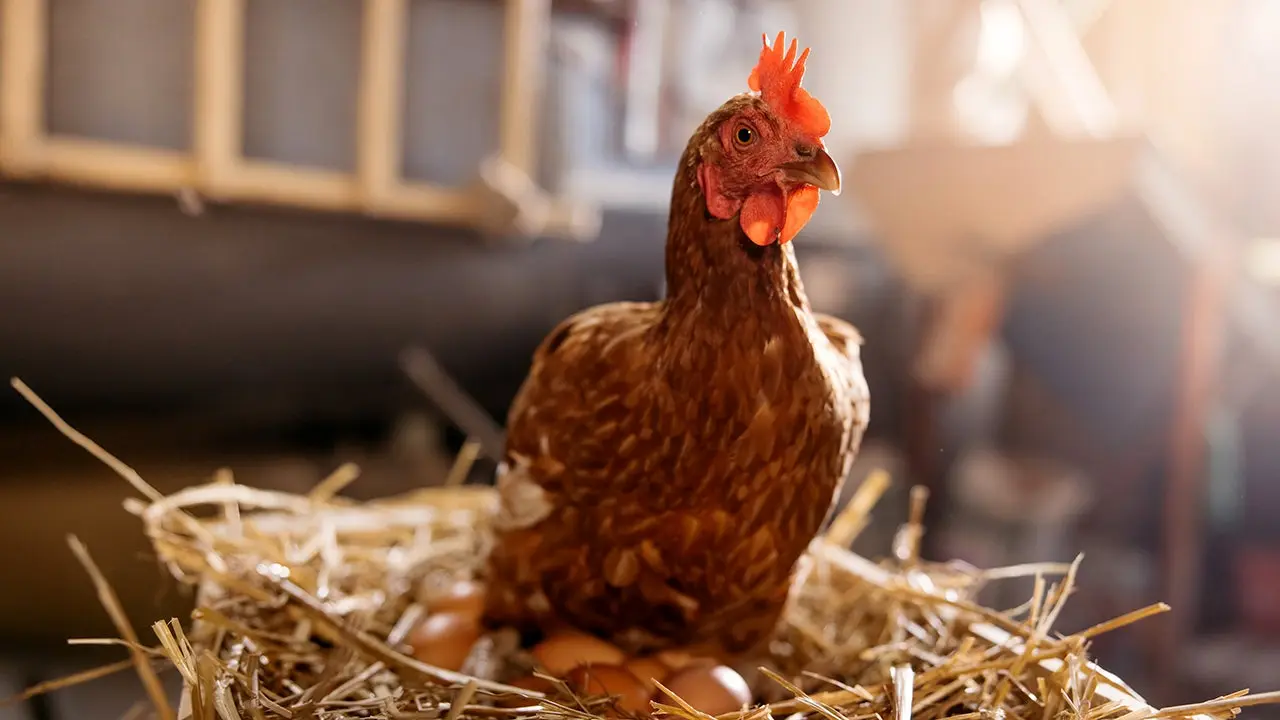
Meat was considered a luxury; it was often seen as a status symbol. Local food historian Joyce White pointed out that beef was highly valued, and chickens were mostly kept for their eggs rather than for meat. “If you raised your own pig or cow, you wouldn’t want to waste it,” she explained.
Thomas Jefferson, a notable Founding Father, had a taste for luxurious foods, including French wine and macaroni and cheese. His diet also included black-eyed peas, turnip greens, and ham. On the other hand, working-class families often relied on salted and preserved fish and meats like bacon and sausage, while wealthier people enjoyed items like white flour and sugar.
In recent times, there has been a renewed interest in these traditional foods, as many seek healthier diets focused on whole, minimally processed ingredients. Interestingly, advocates of the “Make America Healthy Again” movement highlight organ meats as affordable and packed with nutrients.
Stews made with available ingredients were also common among early Americans. Alcohol consumption during colonial times was notably high. “They were quite open about their drinking habits,” said Adrian Miller, the author of “The President’s Kitchen Cabinet.”
George Washington even wrote a recipe for “small beer” in a journal he kept during the Seven Years’ War. This beverage was safer to drink than water because the brewing process eliminated bacteria, making it a popular everyday choice.
While the 1776 diet had some good points—emphasizing whole foods and home cooking—nutrition expert Lisa R. Young warns against following it too literally today. “Colonial Americans often consumed foods like salted ham and organ meats out of necessity,” she noted. “Now, we know it’s best to limit processed meats and enjoy organ meats in moderation.”
Young advises focusing on the healthy aspects of the colonial diet, such as including more fruits, vegetables, whole grains, fish, and lean proteins. She encourages people to explore these traditional foods, especially during the upcoming 250th anniversary celebrations. Just remember, what you eat for a day or week is not as important as your overall dietary habits.
However, she pointed out that some Founding Fathers had a penchant for ale, often drinking it in the mornings—something we might want to skip!
In summary, the diets of early American colonists offer a glimpse into a time when food was simpler and more connected to the land. Today, as we seek healthier lifestyles, there may be valuable lessons to learn from their way of eating.
