
North American Carriers Embrace AI for Improved Efficiency and Safety
June 27, 2026 — 7:00 AM, EDT
In a recent survey of North America’s largest for-hire carriers, a clear trend has emerged: many are investing heavily in artificial intelligence (AI) to boost their operations. This investment aims to enhance efficiency in back-office tasks, streamline processes, and improve overall decision-making.
Key Areas of Focus
Carriers reported that safety technologies, including onboard video systems, are high on their priority list. These tools are essential for preventing accidents, coaching drivers, and protecting against liability claims.
The survey, part of Transport Topics’ annual Top 100 list, highlighted various perspectives from industry leaders on the current state and future potential of technology.
Here are several insights from their responses:
-
NFI stated that their primary focus is on integrating AI-powered hardware with smart back-office automation. They are already deploying advanced AI camera technology across their fleet, emphasizing the importance of using the data gathered for personalized coaching and training.
-
Hogland Transfer has transitioned from reactive to proactive operations by combining AI cameras and telematics. This shift has significantly boosted their revenue growth and driver retention while stabilizing insurance costs.
-
Cheema Freightlines believes in the power of AI across all business functions, emphasizing its importance in modern operations.
-
Oak Harbor Freight Lines noted that initial successes with AI are particularly strong in billing and reporting.
-
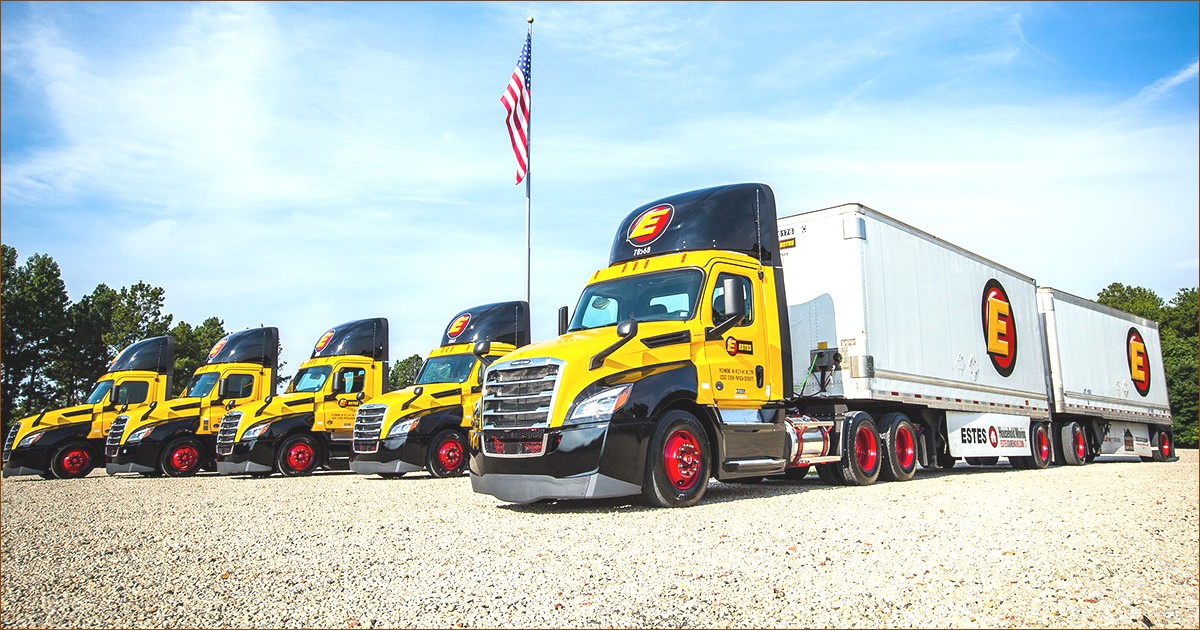
Todd Florence from Estes Express Lines highlighted that impactful technology doesn’t always need to be flashy. Instead, identifying areas where existing processes can be improved often leads to the greatest gains.
Furthermore, many carriers have expressed their commitment to exploring more AI-driven approaches. For example, Apex Logistics uses in-cab AI for monitoring drivers, while System Freight focuses on technologies that prevent accidents.
Some carriers, like PGT Holdings, are taking a cautious approach, opting to leverage AI tools gradually rather than overhaul existing systems immediately.
As these technologies evolve, the industry anticipates increased integration of predictive analytics, safety systems, and automation in back-office functions. The goal remains clear: to improve efficiency and safety while adapting to the changing landscape of transportation.
In summary, as North America’s trucking industry moves toward a more technology-driven future, the focus on AI and its capabilities is set to reshape how carriers operate, ensuring safer and more efficient transportation solutions for all.
