
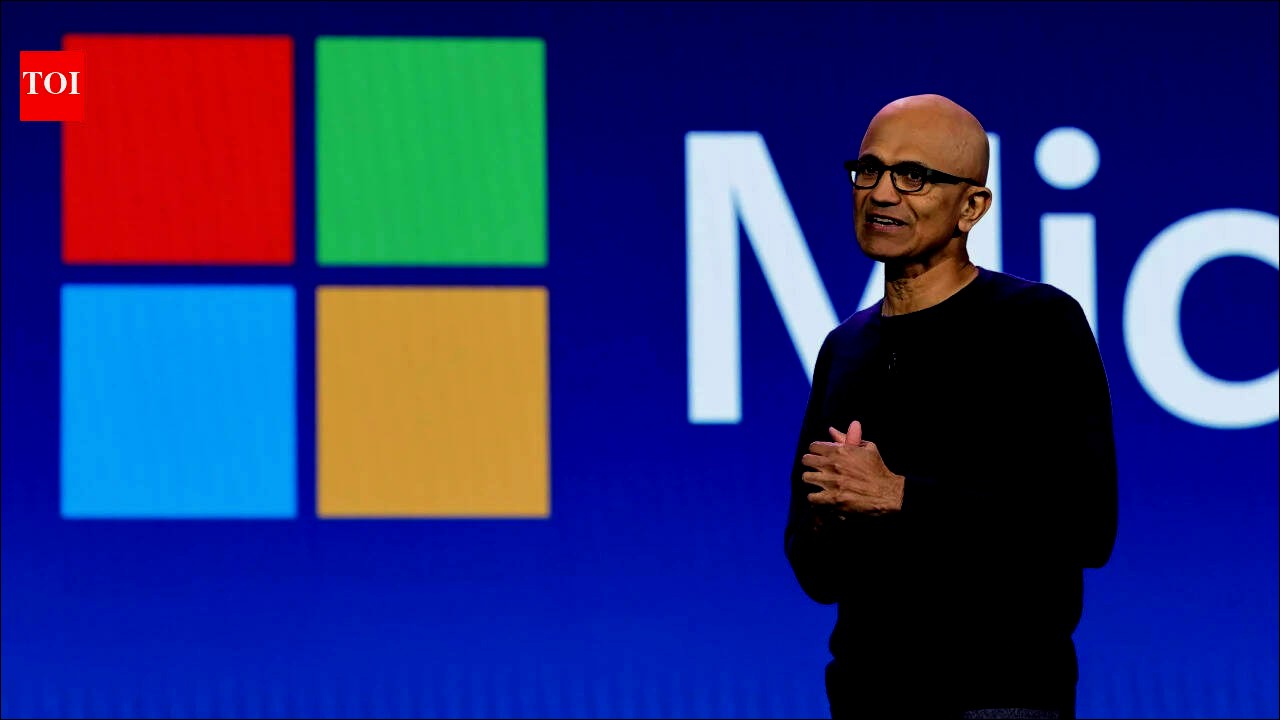
Microsoft’s Major Leadership Overhaul Under CEO Satya Nadella
In a bold move, Microsoft CEO Satya Nadella has revamped the company’s senior leadership structure, marking one of the biggest shifts in years. According to sources, Nadella has dissolved the long-standing leadership team, known as the SLT, and introduced new, smaller teams aimed at enhancing speed and efficiency as the company pivots towards artificial intelligence (AI).
This change comes at a critical juncture. Microsoft’s stock recently experienced its most significant drop since the 2008 financial crisis, and investors are eager to see results from the substantial investments made in AI. Nadella has recognized that Microsoft’s size has become a disadvantage, leading him to study startup models to inspire change within the organization.
The New Leadership Framework
Under the new structure, a core group of five leaders—Nadella, Brad Smith, Amy Hood, Amy Coleman, and Judson Althoff—will meet weekly to manage governance. Additionally, an engineering leadership group of around 35 product and engineering professionals will collaborate closely, bypassing lengthy managerial layers. There’s also a specialized team dedicated to AI, which holds its meetings with Nadella weekly.
Nadella now assesses AI progress on a weekly basis and meets with the Azure infrastructure team every two weeks, ensuring a hands-on approach to leadership.
Departures of Notable Executives
This restructuring has led to the exit of several prominent figures. Rajesh Jha, an influential product leader, plans to retire on July 1. Yusuf Mehdi, a long-time consumer marketing chief, is also stepping down. Meanwhile, Charlie Bell, recognized for his contributions to Amazon Web Services, has seen his role diminished significantly.
Interestingly, even Mustafa Suleyman, co-founder of DeepMind, now oversees a more focused team, while in gaming, Asha Sharma, who has limited experience in the sector, has taken over from long-time Xbox head Phil Spencer.
On the rise are new leaders like Arun Ulag and Pavan Davuluri, who have taken on significant roles within the company.
Nadella’s aim is clear: he wants to transform Microsoft, a company of 220,000 employees, to function with the agility of a small engineering team. Whether this strategy pays off will ultimately be reflected in the company’s stock performance.
