
Rising Concerns Among College Students About AI Integration
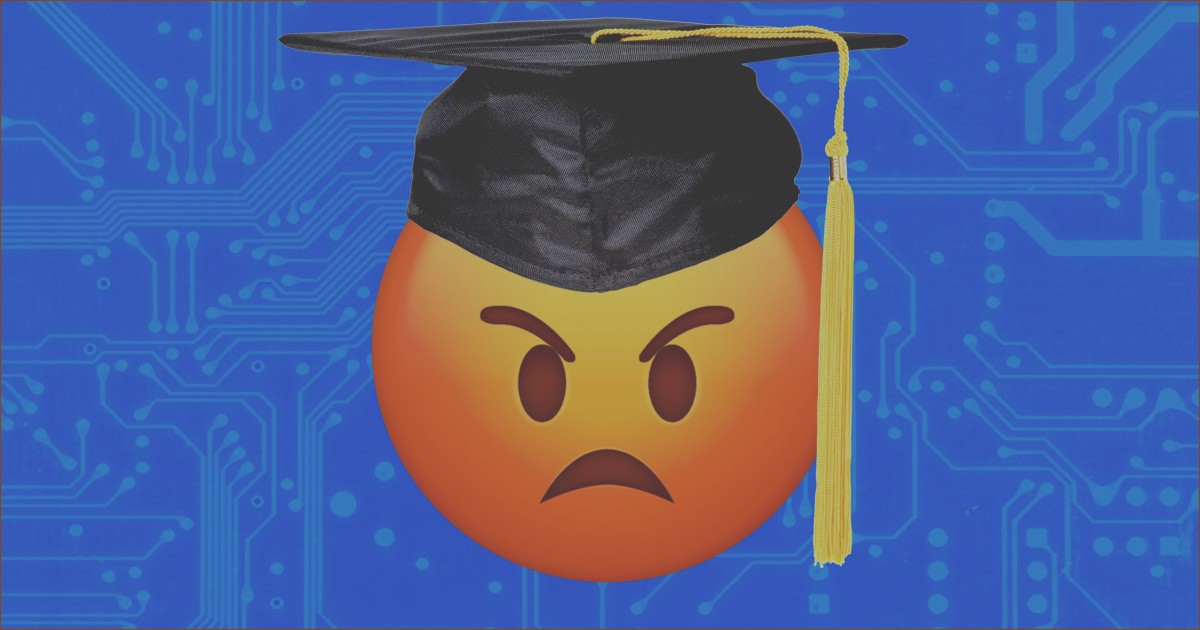
As the push to incorporate artificial intelligence (AI) spreads across various industries, many college students are expressing strong opposition. Recent commencement ceremonies have seen graduates boo speakers who promote AI, highlighting a growing divide in attitudes. U.S. Air Force Academy Vice President JD Vance addressed this phenomenon during a speech, acknowledging the rising anti-AI sentiment within campuses.
Students at more than five universities have formed anti-AI organizations, aiming to address concerns about the rapid development of this technology. This backlash points to a significant gap between the enthusiasm of business leaders for AI and the worries of students regarding its implications for employment, creativity, and critical thinking.
A survey conducted last October revealed that over half of U.S. college students use AI tools for their studies at least once a week. Many students mentioned utilizing AI to grasp course materials and verify answers on assignments, despite growing apprehensions about its impact on their educational experience.
To counter the rapid advancement of AI, groups like PauseAI US have been established. This national organization has opened five chapters across various campuses and calls for a slowdown in the development of advanced AI systems until they can be safely integrated. Holly Elmore, the group’s executive director, emphasized the growing concerns among students who feel pressured to prioritize speed over ethics and integrity in their academic work.
Elmore remarked, “Students feel like their lives are thrown into chaos, and in seeking meaning, they worry AI will take that away, too.”
Chapters of PauseAI focus on raising awareness about the risks associated with AI technology and advocating for responsible regulations. Leaders of these groups aim to ensure that AI does not replace essential critical thinking and academic integrity.
For many students, the pressure to adopt AI tools feels overwhelming. “It’s as if we’re being forced to use AI,” said Kimberly Aron, a master’s student who fears being left behind if she doesn’t comply with these emerging technologies. Others, like Zoe Kaufman, feel that schools encourage reliance on AI, which exacerbates job security concerns.
Aron also criticized the mixed messages from universities, which simultaneously restrict and promote AI use in academic settings. She worries that skills acquired today could become irrelevant in the near future.
On the faculty side, some educators have noted a fatigue among students regarding discussions around AI, with many yearning for a return to traditional learning experiences in their disciplines. Meanwhile, students who recognize the potential benefits of AI advocate for a balanced approach to its development.
Jeffrey Kang, a recent graduate now working at Meta, argues that dismissing AI fails to recognize its advantages and utility in various fields. He believes the debate should center on developing AI in responsible ways rather than solely focusing on the negatives.
Ultimately, students like Nickolas Spiliotopoulos from UC Santa Barbara emphasize that the conversation about AI is nuanced. They aim to engage in constructive discussions about AI’s potential and its regulation, hoping to find a beneficial path forward for technology in society.
