
Iran’s Supreme Leader Vanishes Amid Rising Tensions with the U.S.
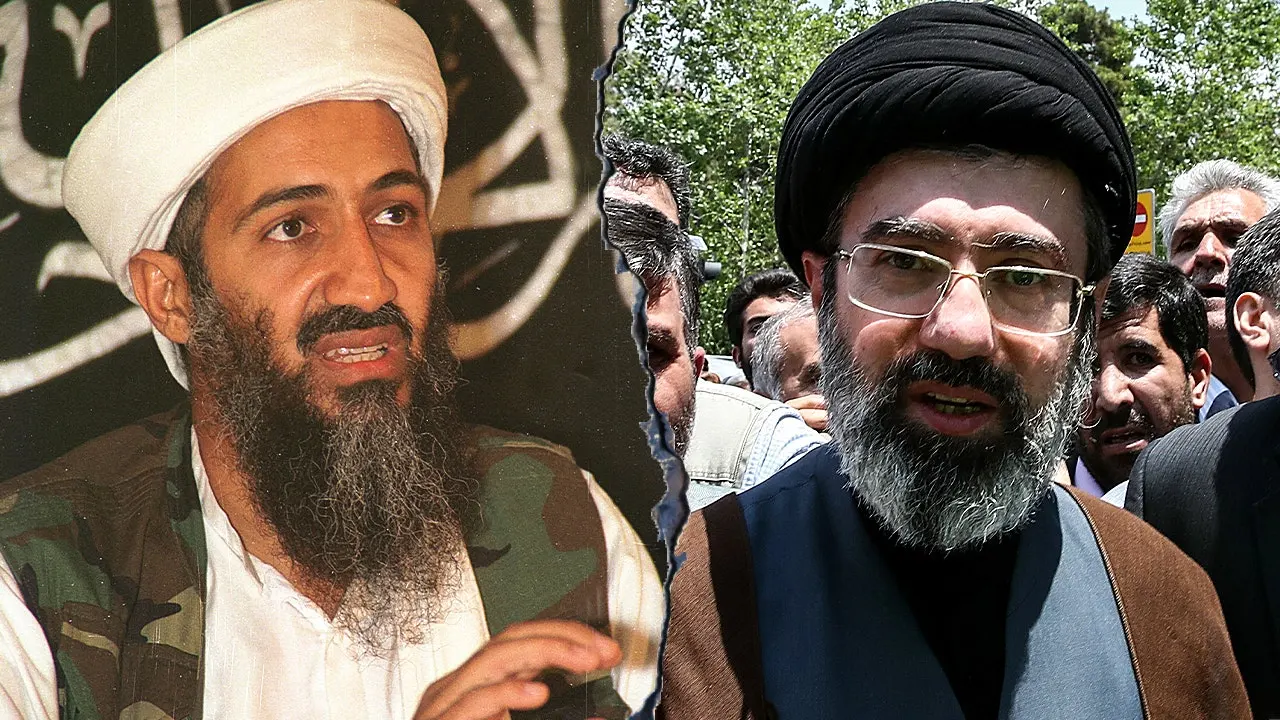
Iran’s Supreme Leader, Mojtaba Khamenei, has been notably absent from public life for nearly three months as tensions between Iran and the United States escalate. This situation has drawn comparisons to the later years of Osama bin Laden, as experts observe that Khamenei’s disappearance parallels bin Laden’s evasion of authorities.
The heightened tension has prompted President Donald Trump to delay a planned military strike on Iran. Trump recently stated he is “in no hurry” regarding the situation. Khamenei has made limited communication, including three posts on his official social media account, but has not been seen publicly since mid-May.
Counterterrorism specialist Dr. Omar Mohammed explained that this is unprecedented for the Islamic Republic. He noted that the U.S. has managed to corner Khamenei in a way similar to how it engaged al-Qaeda and ISIS over two decades. “For the first time, the U.S. has made Tehran’s leader go into hiding,” he remarked.
Khamenei’s retreat into the shadows might be a sign of the Iranian regime’s struggles under pressure. The comparison to bin Laden is significant, as both figures came into their roles through American actions, leading them to ultimately retreat from public life.
Just as bin Laden lived in seclusion from 2001 until his demise in 2011, Khamenei now faces similar incentives that may keep him hidden. Experts suggest he may be using fortified, concealed locations, possibly near Iranian military facilities, to protect himself from potential threats.
Dr. Mohammed pointed out that during bin Laden’s time, avoiding digital communication was key — he limited his contacts and relied on trusted couriers. Similarly, Khamenei’s recent call for a “holy war” against the U.S. and its allies stresses his need to maintain both strategic communication and security amid growing dangers.
The current situation illustrates a significant shift for the Iranian regime. Khamenei’s absence from public duties marks a critical moment, as it indicates that the leadership which has long projected power through a visible figure is now unable to do so. With previous leaders killed in targeted strikes, the Iranian power landscape is increasingly analyzed for its reliance on security forces rather than visible leadership.
As the balance of power shifts, the differences in how the U.S. and Iranian leadership operate during this period of tension become increasingly apparent.
