
AI in Healthcare: A Call for Responsible Implementation
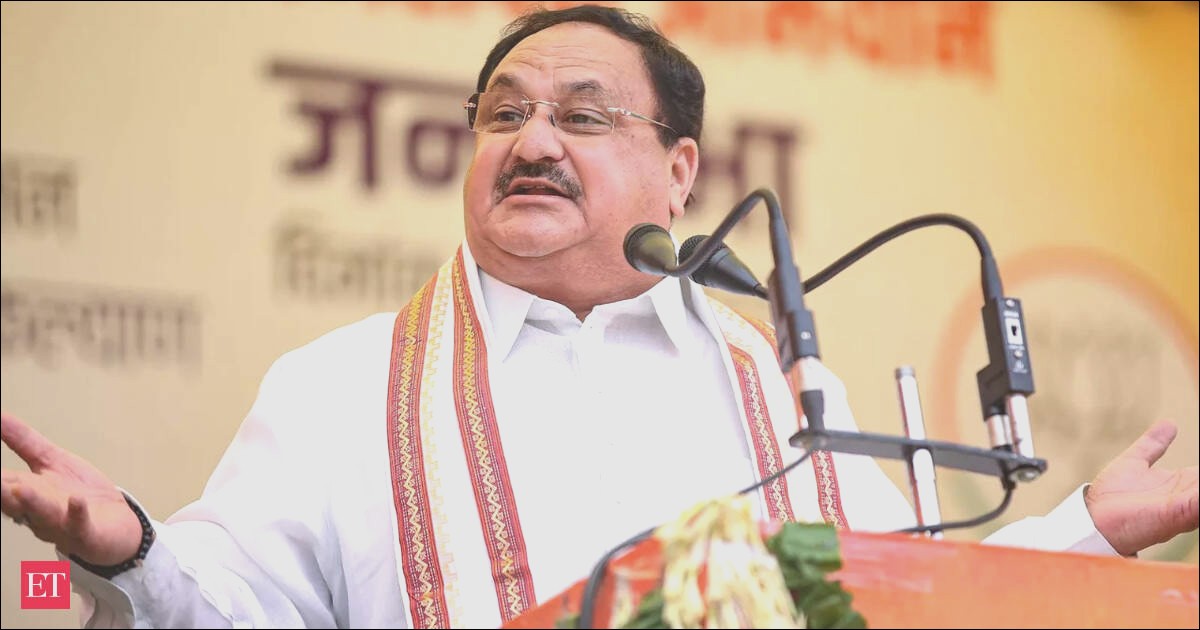
New Delhi: The potential of Artificial Intelligence (AI) to enhance healthcare is enormous, but it needs to be carefully managed through effective regulation, ethical guidelines, and a strong focus on equity, according to Union Health Minister J P Nadda.
Speaking at the 79th World Health Assembly in Geneva, Nadda emphasized the importance of these factors in ensuring that the benefits of AI reach all citizens. “AI can significantly improve healthcare delivery, but we must ensure it is guided by sound regulations and solid research,” he stated.
Nadda noted that India has been laying the groundwork for a digital future since the launch of the Digital India initiative in 2015, under Prime Minister Narendra Modi. This initiative aims to transform the nation into a digitally empowered society, preparing for emerging technologies like AI.
He highlighted India’s National Health Policy of 2017, which envisioned a comprehensive digital health ecosystem. This led to the introduction of the Ayushman Bharat Digital Mission in 2021, promoting consent-based digital health data management. However, he cautioned that simply having digital tools and data isn’t enough to improve health outcomes. He stressed the importance of sector-specific regulations to ensure the safe and responsible use of AI in healthcare.
At the India AI Impact Summit in February 2026, the Strategy for AI in Healthcare for India (SAHI) was introduced. Describing it as a pioneering approach from the Global South, Nadda said this strategy aims to guide India towards a healthcare system that is ethical and centered around the people.
He pointed out that with a population of 1.4 billion and 22 official languages, India is facing unique challenges in governing AI while ensuring equitable access to healthcare. Although AI holds promise to close gaps in healthcare services, Nadda warned that it could also worsen inequalities if not designed with care.
During his speech, he mentioned the creation of a platform called BODH—Benchmarking Open Data Platform for Health AI. This initiative evaluates AI solutions against real-world data to ensure safety and fairness.
Nadda reiterated that no single country can tackle the complexities of AI alone. There is a need for collaborative efforts, shared research, and an ethical approach to AI development. He emphasized that innovation should always be directed by regulations, trust must be built through transparency, and advancements should prioritize equity and the common good.
In conclusion, reflecting the vision of the Prime Minister, he stated, “India believes not only in ‘Artificial Intelligence’ but in ‘All-Inclusive Intelligence’.” He urged the global community to leverage AI as a force for good worldwide.
