
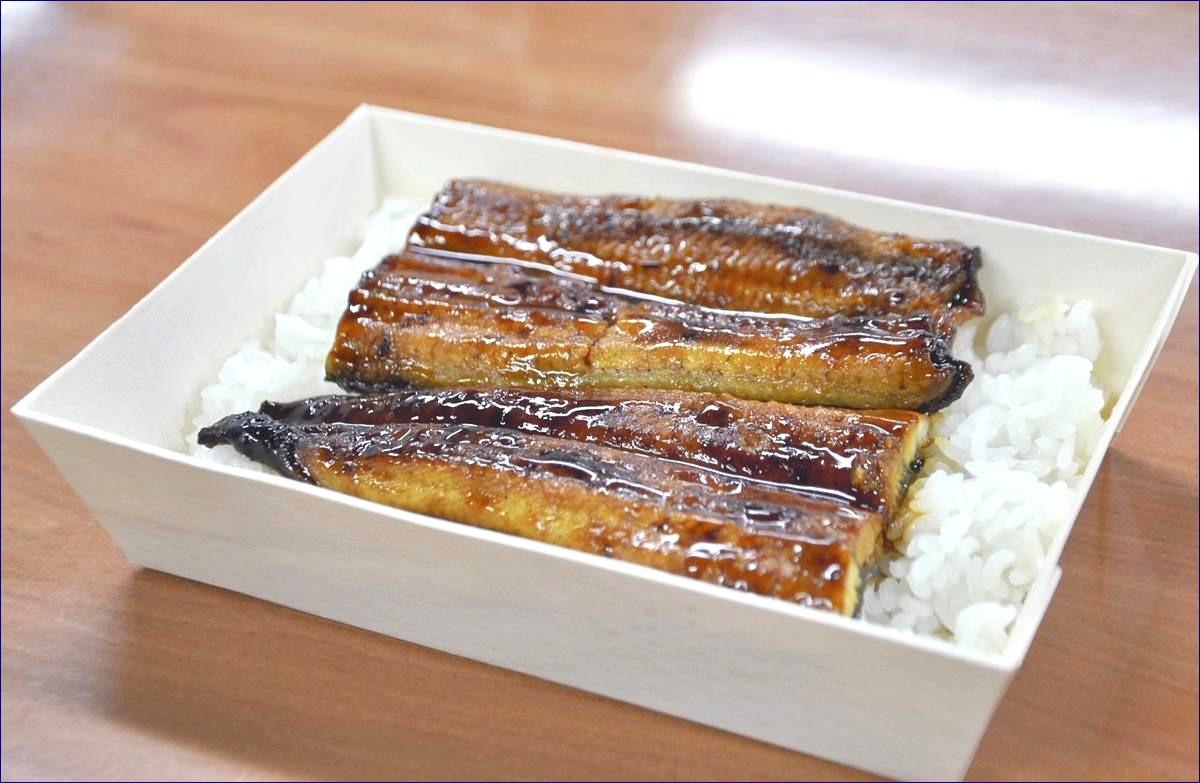
Trial Sale of Cultivated Eels Set to Begin
A new venture in eel farming is on the horizon, as the world’s first sale of eels bred from artificially hatched eggs will start on a trial basis on May 29. This innovative project is spearheaded by Yamada Suisan, an eel farming company based in Oita, which hopes to understand consumer interest in these cultivated eels before expanding into full-scale production.
During a pre-sale tasting event, Agriculture, Forestry and Fisheries Minister Norikazu Suzuki shared his impressions of the eel, stating, “It’s delicious! I want to support making this available to a wider audience.” The company plans to sell these eels in both physical stores and online platforms, with each eel priced at approximately ¥5,000.
The full-cycle cultivation method involves raising adult eels from artificially collected eggs and encouraging them to spawn, thereby creating a new generation. This groundbreaking technique was first successfully implemented in 2010 by a predecessor organization of the Japan Fisheries Research and Education Agency, which has been working to improve the process ever since.
Thanks to advancements in farming technology, including larger tanks and better feed, it is now possible to produce tens of thousands of juvenile eels each year. However, the journey from egg to juvenile eel is still quite challenging, and the methods for consistent mass production are yet to be perfected. Presently, most of the glass eels used for farming Japanese eels are still sourced from natural environments.
Domestic eel production has seen a significant decline, with numbers dropping to 60,941 tons in 2024—only 40% of the peak reached in 2000. This has led to an increased reliance on imports from countries like China.
Controlling production costs remains another hurdle. Although the price for juvenile eels has decreased from ¥40,000 in 2016 to ¥1,800 today, this is still significantly higher—by three to four times—than that of wild eels. The goal is to further reduce these costs to around ¥800 to ensure a stable supply in the future. The fisheries agency is committed to ongoing technological advancements to achieve this objective.
