
Fuel Prices Rise in India Amid Economic Struggles
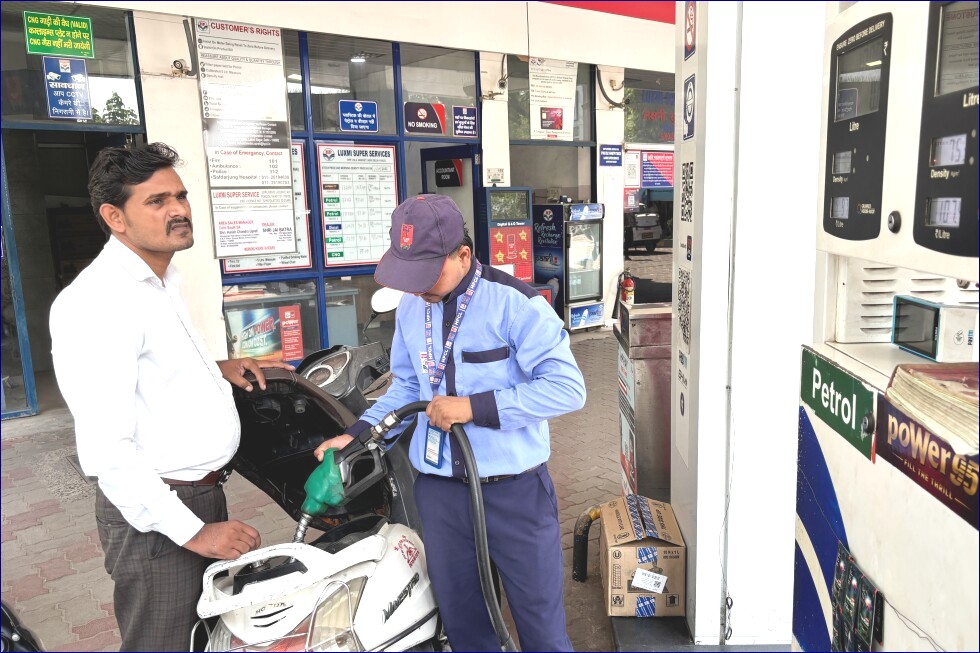
NEW DELHI — On Friday, India increased fuel prices by 3 rupees (about $0.03) per liter, a move aimed at managing the financial strain from escalating global oil rates. In the capital, gasoline is now priced at 97.77 rupees ($1.17) per liter, while diesel has risen to 90.67 rupees ($1.09) per liter.
With approximately 90% of its oil imported, India has been significantly affected by soaring energy prices and supply issues tied to ongoing global conflicts and the closure of critical shipping routes. Up until this point, the government had held off on raising retail fuel prices, making it one of the last major economies to share the burden of higher crude costs with consumers.
The price hike came shortly after Prime Minister Narendra Modi encouraged citizens to adopt voluntary cuts in their spending. He urged people to work from home when possible, limit international travel, and cut back on gold purchases. Modi framed efforts to conserve fuel and save money as acts of “patriotism,” promoting the use of public transport and carpooling.
Opposition leaders quickly pointed out that Modi’s call for austerity followed a key state election, suggesting that fuel prices had remained stable during the campaign period.
Manoj Kumar, a 48-year-old taxi driver in New Delhi, expressed concern about how rising fuel prices impact everyday workers. “For common people like us, even one rupee matters a lot. We work hard every day just to get by, and it feels like the government is unaware of our struggles,” he said.
Earlier this week, the government also raised import duties on gold and silver to 15% in a bid to reduce demand that drains foreign reserves. The Indian rupee has recently hit record lows, adding pressure from increasing oil prices on imports.
In response to the rising costs, New Delhi has become the first state to introduce austerity measures. Authorities announced a campaign aimed at reducing fuel consumption, including mandatory work-from-home days for certain government employees. Delhi’s Chief Minister, Rekha Gupta, noted that this initiative is designed to promote the use of public transportation over private vehicles.
As part of their strategy to lessen reliance on crude oil, India is speeding up the blending of ethanol with gasoline. Currently, many fuel stations offer gasoline mixed with 20% ethanol, with plans to increase this to 85% or even 100% in compatible cars.
Energy experts warn that while biofuel blending may help buffer against global energy shocks, it could also strain groundwater supplies, encroach on agricultural land, and potentially impact older vehicles.
Through these measures, India aims to navigate the challenging economic landscape while addressing the immediate concerns of its citizens.
