
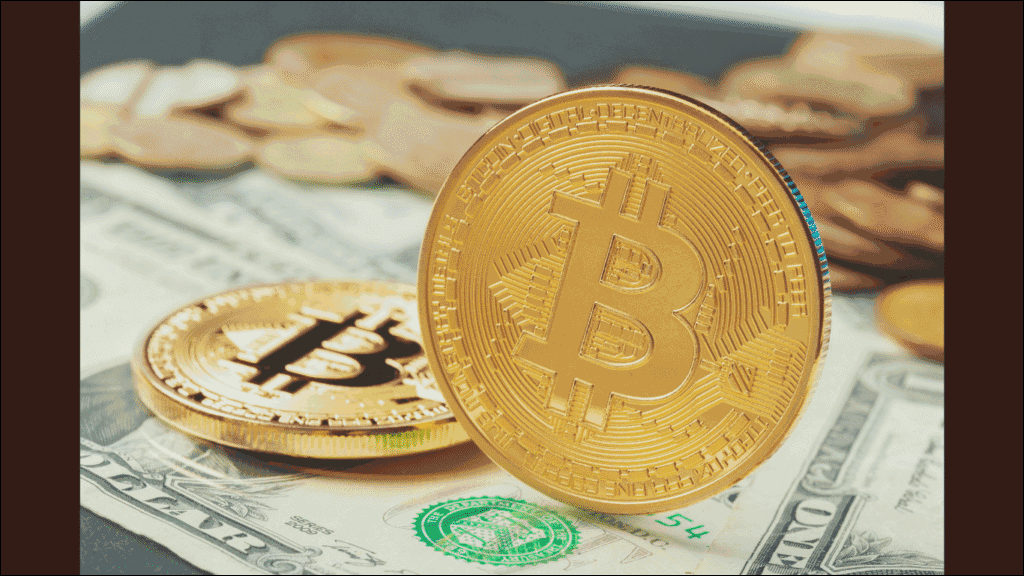
Bitcoin is recognized as a global asset, but its meaning can vary from country to country. In India, Bitcoin is no longer just viewed through the lens of U.S. dollars. With the rupee losing value, many people are starting to monitor Bitcoin in their local currency. This shift in perspective is crucial as it changes how price movements are seen. While Bitcoin’s gains might look good in the dollar context, they can appear even more impressive in India due to the rupee’s decline.
This growing interest reflects a significant change in how Indians perceive cryptocurrency. Instead of merely focusing on international trends or dollar prices, many are now looking at Bitcoin through their own economic lens. Topics like local liquidity, currency depreciation, and economic uncertainty have become central to these discussions. Consequently, the Bitcoin-INR exchange rate is becoming a key indicator in the cryptocurrency landscape, especially on platforms like Binance.
The Significance of Local Currency in India
Traditionally, the spotlight in crypto markets has been on Bitcoin’s price in U.S. dollars. This is still crucial because most cryptocurrency transactions are dollar-based. However, for Indian investors, a more pressing question might be: what is Bitcoin priced in rupees today?
That’s where the Bitcoin-INR pairing gains importance. It enables traders in India to gauge Bitcoin’s value without needing to convert dollars into rupees. This pairing illustrates two key elements: the performance of Bitcoin itself and the state of the rupee. When these two variables diverge, it can have a magnified effect.
This is part of the reason why the Bitcoin-INR chart holds greater significance for Indian investors than it might for others globally. It narrates the story of cryptocurrency while simultaneously reflecting local economic sentiments.
How a Weak Rupee Shapes Crypto Perspectives
A declining rupee impacts how investors assess Bitcoin’s value. Even if Bitcoin is steadily climbing on the international stage, it can appear to surge faster in terms of local currency. This shift can influence perception, making it seem like Bitcoin is gaining momentum for Indian investors compared to those focused on dollar valuations.
This is one of the reasons why the Bitcoin-INR exchange rate is becoming increasingly relevant. It illustrates both the global cryptocurrency market and local economic dynamics. In a world concerned with inflation and currency values, Bitcoin is starting to be viewed less as a speculative venture and more as a strategy for wealth preservation and investment.
However, not all Indian investors see Bitcoin as a traditional safe haven. It remains a risky asset with significant price swings. But the falling rupee adds a new layer to this discussion, giving local pricing more emotional importance.
The Growing Attention on Bitcoin INR
The rising importance of the Bitcoin-INR pairing is also influenced by how trading platforms present data. Many Indian traders prioritize the local price when they access their cryptocurrency exchanges or apps. This tailoring makes the market more relatable and understandable.
Major exchanges, like Binance, contribute to this trend. They help connect global market liquidity with local demand. While a lot of discourse still centers around dollar-centric pairs, Indian traders are increasingly turning back to Bitcoin INR to assess its local implications.
This isn’t just relevant for active traders. Other groups interested in the market also keep an eye on Bitcoin INR, as it simplifies understanding news and trends. When Bitcoin rises globally while the rupee weakens, the effects are more pronounced, making this pairing a focal point for media coverage and investor interest.
Bitcoin INR as a Reflection of Market Sentiment
The Bitcoin-INR exchange rate is crucial for one primary reason: it serves as a sentiment barometer. It reflects both enthusiasm for cryptocurrency and concerns about the rupee’s devaluation.
When more people monitor Bitcoin INR, they are not just tracking a digital asset—they are expressing hope. They are reacting to how the rupee’s weakening could affect the overall economy. Thus, this metric links international cryptocurrency trends with local economic conditions.
This localized discussion is what sets the conversation about Bitcoin in India apart from that in other countries. The Bitcoin-INR chart carries emotional weight, as it is seen through the perspective of the rupee, personal finances, and broader economic conditions.
Platforms like Binance have recognized this trend as user engagement grows more localized, rather than merely mirroring global fluctuations. For many Indian users, Bitcoin INR is not just an auxiliary measure; it’s often the primary one.
Looking Ahead for Crypto in India
As the rupee remains weak, Bitcoin INR is likely to stay at the forefront of India’s cryptocurrency discussions. It accurately portrays the local implications of a global trend while displaying how Bitcoin’s value intertwines with the state of the rupee.
It’s clear why Bitcoin INR has become India’s most closely monitored crypto indicator. It merges speculative interests with currency sensitivities and local financial contexts into one comprehensive measure. For some, it signals trading opportunities. For others, it reflects market sentiment. Regardless, it has become central to understanding Bitcoin in India.
As more individuals join the crypto scene through significant exchanges and engage with real-time market data, Bitcoin INR will likely continue to provide a straightforward way to understand Bitcoin’s role in the Indian economy.
