Close Menu
  • Home
  • World News
  • India News
  • Business News
  • Health
  • Sports
  • Indian Diaspora In US
  • Technology
  • Bollywood
  • Education
Facebook X (Twitter) Instagram
Wednesday, April 22, 2026
Breaking News
  • ECB’s Philip Lane: Too Soon to Gauge Effects of Iran Conflict
  • Devastating ‘Broken Heart Syndrome’ Hits UK Mother After Tragic Loss of Veteran Son
  • NeoCognition Breaks Ground with $40M to Equip AI Agents for On-the-Job Learning
  • Bombay High Court Rules in Favor of Vijay Varma’s Matka King, Settles Legal Clash with Roy Kapur Productions
  • China and India Champion Clean Energy as West Shifts Focus
  • India Faces Serious Doping Concerns in Track and Field
  • LSG vs RR: Mayank Yadav Storms Back to IPL After 353-Day Injury Hiatus
  • Israel Unleashes Ro’em Howitzer Against Hezbollah on Lebanese Front
Facebook X (Twitter) Instagram
India Bulletin
Advertisement
  • Home
  • World News
  • India News
  • Business News
  • Health
  • Sports
  • Indian Diaspora In US
  • Technology
  • Bollywood
  • Education
India Bulletin
Home»India News»Sweltering Heat Puts India’s Rice Harvest and Farm Workers at Risk, Warns UN Report
India News

Sweltering Heat Puts India’s Rice Harvest and Farm Workers at Risk, Warns UN Report

April 22, 20263 Mins Read
Facebook Twitter Email
Share
Facebook Twitter Email


Heatwaves Pose Serious Threat to Indian Agriculture and Rice Production

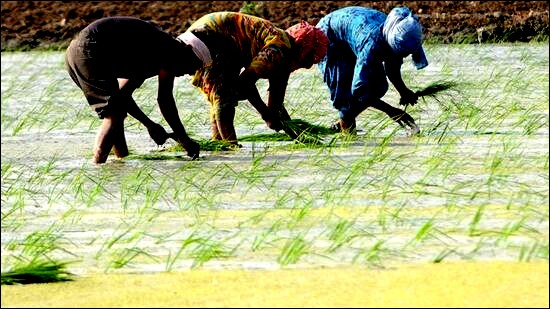
A new report warns that rising temperatures will significantly impact Indian agriculture and rice production, particularly affecting workers in key areas like the Indo-Gangetic plains. The Food and Agriculture Organisation (FAO) and the World Meteorological Organisation (WMO) highlighted these concerns in their joint study titled “Extreme Heat and Agriculture.”

According to the report, by the end of the century, labor productivity in some of the most affected regions could drop to below 40% due to extreme heat. The risks of heatwaves are highest in densely populated agricultural regions around the Ganges and Indus river basins.

As India gears up for a potentially challenging monsoon season, complicated by the El Niño weather phenomenon expected to develop around July, these findings are particularly concerning.

To adapt and maintain rice production, farmers are exploring various strategies. Some of these include planting rice varieties that bloom earlier in the day, adjusting sowing times, and breeding plants that can withstand heat better. Additionally, using irrigation could provide local cooling benefits.

Rice is a crucial crop in India, as it accounts for 70% of the population’s caloric intake, and the summer monsoon delivers approximately 80% of the country’s annual rainfall. The report mentions that past monsoon seasons have faced severe challenges, with significant droughts occurring in years like 2002, which resulted in economic losses and affected over a billion people.

Despite India’s self-sufficiency in grain production, the effects of extreme weather remain a major threat. A separate report from the Indian Council of Agricultural Research stated that March and April 2022 were the hottest months in India’s history, with temperatures soaring well above average and rainfall drastically below normal. This combination of high temperatures and low rainfall has had a damaging impact on crops, livestock, and the overall agricultural landscape across northern and central India.

The relationship between labor productivity and crop yields is emphasized in the new report, noting that extreme heat impacts not just plants, but the workers tending to them as well. Past studies often overlooked how heat affects labor, which is crucial to farming success in developing nations.

WMO Secretary-General Celeste Saulo pointed out that extreme heat can magnify existing vulnerabilities in agricultural systems, creating even more significant challenges for farmers. The report stresses the need for innovative approaches to adapt to these changing climate conditions—like selecting heat-resistant crops, adjusting planting schedules, and improving overall management practices.

As the world faces the realities of climate change, it is vital for India to develop strategies to safeguard its agricultural systems against the ongoing threat of heatwaves.

Extreme heat india Rice rice production threaten
Share. Facebook Twitter Email
admin
  • Website

Related Posts

China and India Champion Clean Energy as West Shifts Focus

April 22, 2026

India Faces Serious Doping Concerns in Track and Field

April 22, 2026

Drink spiked and Wi-Fi disabled: US woman claims assault at Karnataka homestay, case escalates to MEA | Disturbing revelations

April 22, 2026
  • Facebook
  • Twitter
  • Instagram
Don't Miss

ECB’s Philip Lane: Too Soon to Gauge Effects of Iran Conflict

Devastating ‘Broken Heart Syndrome’ Hits UK Mother After Tragic Loss of Veteran Son

NeoCognition Breaks Ground with $40M to Equip AI Agents for On-the-Job Learning

Bombay High Court Rules in Favor of Vijay Varma’s Matka King, Settles Legal Clash with Roy Kapur Productions

Started in 2004, India Bulletin is the largest and
most read South Asian publication
in Chicago and surrounding Midwest.

  • Home
  • About Us
  • Contact
  • Advertise With Us
  • Privacy Policy
  • Terms of Use
  • Disclaimer
  • CCPA
News
  • Bollywood
  • Business News
  • Health
  • India News
  • Indian Diaspora In US
  • Sports
  • Technology
  • World News
Facebook X (Twitter) Instagram

Type above and press Enter to search. Press Esc to cancel.

Accessibility Adjustments

Powered by OneTap

How long do you want to hide the toolbar?
Hide Toolbar Duration
Select your accessibility profile
Vision Impaired Mode
Enhances website's visuals
Seizure Safe Profile
Clear flashes & reduces color
ADHD Friendly Mode
Focused browsing, distraction-free
Blindness Mode
Reduces distractions, improves focus
Epilepsy Safe Mode
Dims colors and stops blinking
Content Modules
Font Size

Default

Line Height

Default

Color Modules
Orientation Modules