
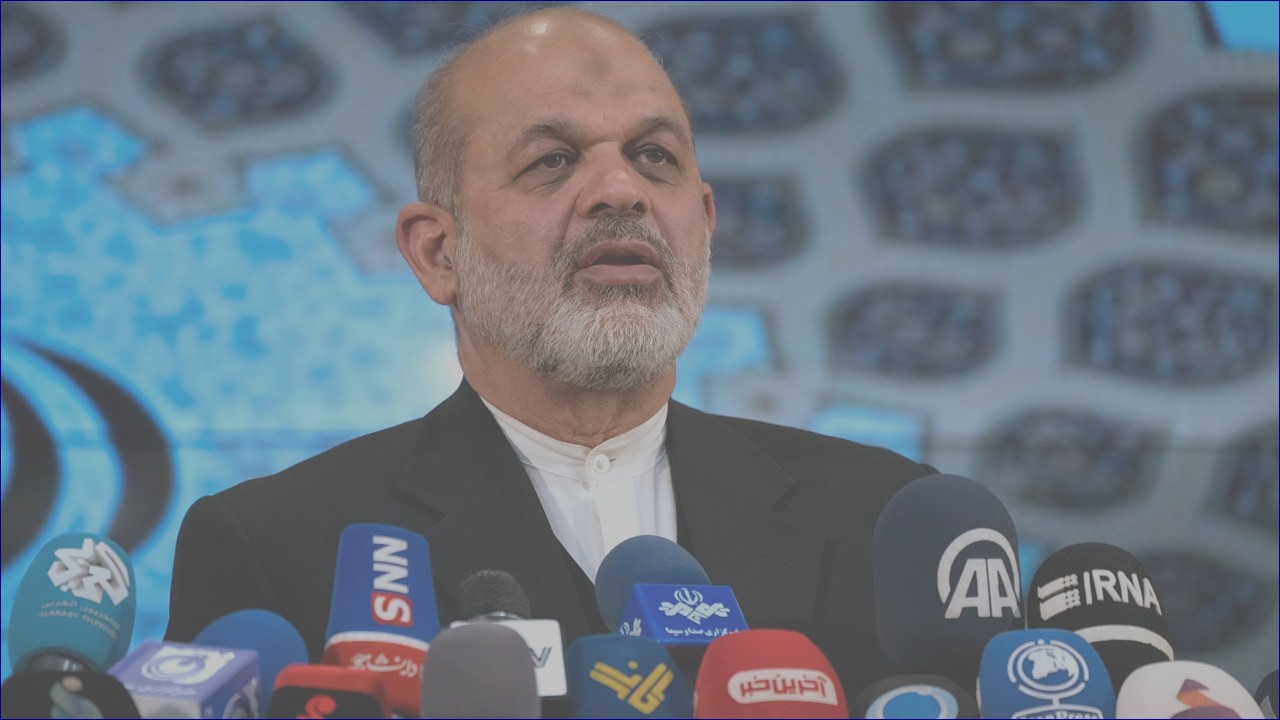
Rising Power in Iran: Ahmad Vahidi Takes Charge
As the deadline for a potential ceasefire between Iran and the U.S. approaches, a shadowy figure has emerged in the discussion: Ahmad Vahidi. Recently appointed to lead the Islamic Revolutionary Guard Corps, Vahidi is now one of the most influential figures in Iran’s military landscape.
Analysts describe Vahidi as a hardliner, even among Iran’s already radical regime. His appointment signals that the country is not stepping back from its aggressive stance. Lisa Daftari, a foreign policy analyst, emphasizes that Vahidi’s history is marked by violence and oppression, making his rise a significant concern for those hoping for peace.
What This Means for U.S. Interests
Vahidi’s ascent could have serious consequences. Experts warn that his influence may heighten risks for U.S. troops and allies in the region. The shift in power dynamics could lead to either continuation of conflict or a hesitant move toward negotiations, skewing the balance of power in Iran further towards hardliners.
A Shift in Power Dynamics
The power structure within Iran is increasingly informal. Formal political institutions appear weak, and influential decisions are often made by military figures like Vahidi. Behnam Ben Taleblu, a senior fellow specializing in Iranian politics, indicates that those in key military positions have more sway than traditional government leaders.
Some even suggest that Vahidi might be more influential than prominent figures like the Iranian parliament speaker or even the son of Supreme Leader Ali Khamenei. This concentration of power suggests a shift that prioritizes military strategy over political discourse.
A History of Terror Ties
Before becoming a household name, Vahidi was involved in building Iran’s overseas operations. He previously led the Quds Force, the unit responsible for foreign intelligence and military operations, which raises alarms given its history of conducting attacks worldwide.
His connection to past violent incidents, including the 1983 Beirut barracks bombing and others, further cements his reputation as a dangerous figure. Vahidi has also been implicated in bombings against Jewish targets in Argentina, making him one of the most sought-after Iranian officials globally.
Sanctions and International Isolation
Vahidi’s actions have not gone unnoticed by the international community. Both the U.S. and the European Union have imposed sanctions on him, significantly limiting his ability to travel and conduct business. These sanctions stem from his involvement in Iran’s controversial nuclear and missile programs and human rights abuses during protests.
Human rights groups accuse him of orchestrating repression against dissenters, highlighting the violent responses of Iranian authorities during various uprisings.
Concerns About Future Actions
As discussions of a ceasefire are under way, experts remain skeptical. There are fears that Vahidi might not genuinely desire peace, viewing any ceasefire as merely a strategic pause to regroup and bolster military strength. His growing power is concerning for many, with warnings that his leadership could lead to further violence not just within Iran, but also against foreign entities.
The key question remains: Does Vahidi favor continued aggression over peaceful resolution, and what does this mean for the future of Iran-U.S. relations?
In light of Vahidi’s rise, analysts urge caution, emphasizing that trusting his intentions could be a grave error.
As tensions simmer, the world watches to see how these developments will shape Iran’s future and influence its place on the global stage.
