
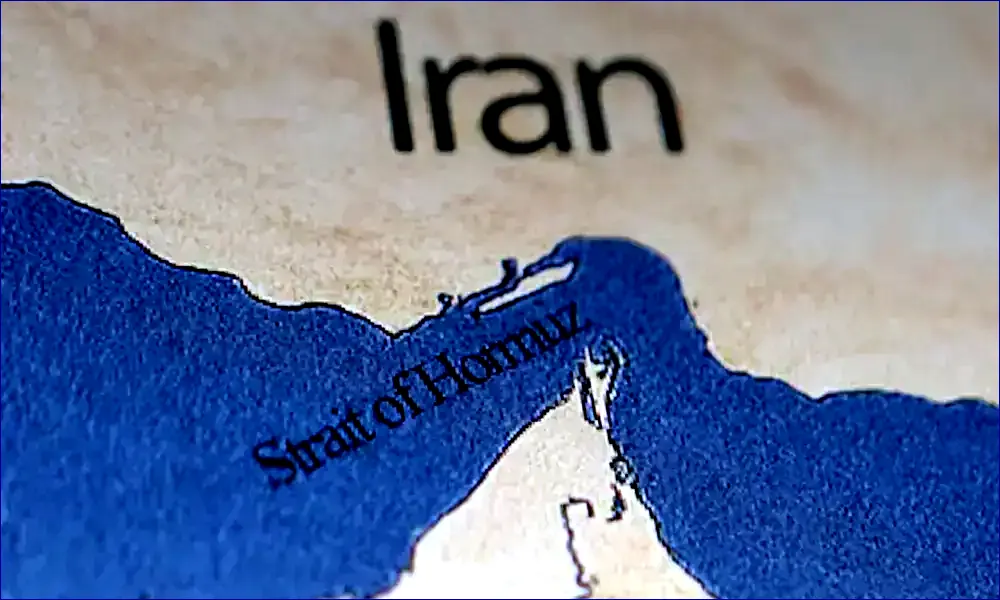
Iran Tightens Control Over Strait of Hormuz Amid Tensions with the U.S.
WASHINGTON/ISLAMABAD: Iran announced on Saturday that it is increasing its control over the strategic Strait of Hormuz, warning ships that the crucial energy route is effectively closed. President Donald Trump responded by stating that Iran cannot intimidate the United States by blocking access to this waterway.
Tehran claims its actions are a reaction to ongoing U.S. sanctions on Iranian ports, labeling these moves as violations of a ceasefire agreement. Iranian Supreme Leader Mojtaba Khamenei declared that the country’s navy is prepared to deliver “new bitter defeats” to its adversaries. Reports emerged that at least two ships were fired upon while attempting to navigate through the strait, with India’s government expressing concerns after two Indian-flagged vessels were reportedly targeted.
Iranian state media revealed that the Supreme National Security Council stated the country is insisting on security and environmental protection fees for the strait, emphasizing its control over the area. They also mentioned that the U.S. proposed new ideas after recent talks, mediated by Pakistan, though Iran has not yet responded to these suggestions.
Despite Trump’s comments on Friday, suggesting negotiations were possible, there were no visible signs of direct talks between the U.S. and Iran over the weekend. The hardline rhetoric from Iran added uncertainty to the already fragile situation, raising concerns about the stability of oil supplies as the U.S. considers extending the ceasefire.
Trump insisted that the U.S. has been involved in “very good conversations” with Iran but reiterated that Tehran should not attempt to close off the strait. Shipping sources reported that communications from Iran’s navy warned merchant vessels that transit through the waterway was prohibited, reversing earlier indications that traffic might open up again.
Earlier, a convoy of eight tankers had navigated the strait, marking a significant movement of ships since the conflict escalated seven weeks ago. Trump had mentioned “good news” regarding Iran but also warned that if no peace agreement was reached by Wednesday, fighting could resume after the two-week ceasefire expires.
The armed forces of Iran stated that transit through the strait has returned to strict military control due to repeated U.S. actions, which they characterized as piracy under the pretense of a blockade. Although Iran had initially agreed to oversee a limited passage of vessels, their stance shifted due to ongoing U.S. activities.
The U.S. Central Command confirmed that U.S. forces are enforcing a maritime blockade on Iran but refrained from commenting on the latest developments in the strait.
The conflict with Iran, which started with a U.S.-Israeli attack on February 28, has resulted in thousands of casualties, extended to assaults in Lebanon, and pushed oil prices higher due to the uncertainty surrounding the strait.
Despite initial ship movements suggesting a potential easing of tensions, Iran’s deputy foreign minister stated that no date had been set for further negotiations, emphasizing the need for a framework of understanding first.
As pressure mounts for a resolution, especially with November elections approaching in the U.S., where Republicans seek to maintain their slim congressional majority amid rising inflation and gas prices, Trump reiterated that preventing Iran from obtaining nuclear weapons remains the priority.
Trump indicated that he might terminate the ceasefire unless a long-term agreement is achieved before it lapses on Wednesday, insisting that the blockade of Iranian ports will continue.
Preparations for talks in Pakistan appeared absent early on Saturday, despite indications that significant negotiations had occurred the previous weekend without yielding results. However, a Pakistani source involved in mediation efforts suggested a preliminary agreement may be possible soon.
On a financial note, oil prices dipped around 10% and global stocks saw a rise on Friday with hopes of resumed shipping traffic through the strait. Yet, many ships and approximately 20,000 seafarers remain stuck in the Gulf, awaiting their chance to pass through the vital waterway.
