
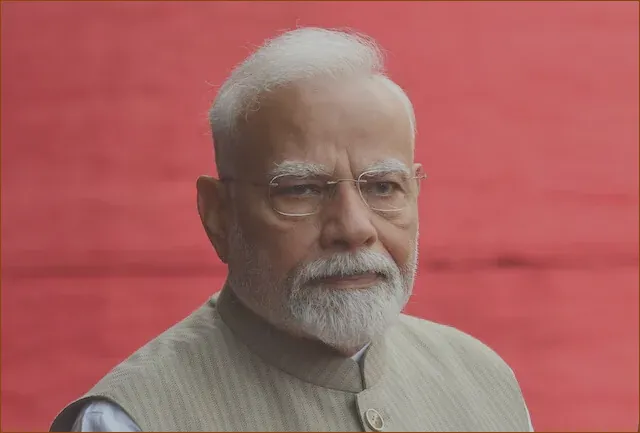
MUMBAI: India is starting to think about who might take over as the next leader. By the middle of 2026, Prime Minister Narendra Modi will be halfway through his third five-year term. At 75 years old, Modi has led a strong and business-friendly government for over ten years.
While a fourth term is possible, it seems unlikely as his party, the Bharatiya Janata Party (BJP), has lost some of its majority support, and there may be growing dissatisfaction among voters. This raises important questions about who might step in next.
Modi still enjoys high popularity. In November, he topped a list of leaders from 24 major countries, boasting a 71% approval rating from U.S. data firm Morning Consult. He is approaching 15 years in power, just shy of India’s first Prime Minister Jawaharlal Nehru and Indira Gandhi’s long tenures.
According to Suhas Palshikar, a former political science professor, Modi’s strong electoral performance comes from a mix of economic success and the ability to engage Hindu voters. His government has implemented several important reforms in areas like tax and labor laws, which have helped stabilize the economy and increased his appeal to businesses.
Modi Stands Against Tricky Tariff Threats
If Modi were to step down, three main scenarios could play out. The most likely candidate to succeed him could emerge from within the BJP itself. Potential successors include Amit Shah, Modi’s close ally and home affairs minister, or Devendra Fadnavis, the Chief Minister of Maharashtra, who is currently improving Mumbai’s infrastructure.
Alternatively, Modi’s current coalition partners might try to lead a new government. This could involve figures like N. Chandrababu Naidu or his son Nara Lokesh, who are promoting significant investments in Andhra Pradesh, including a $15 billion data center project by Google.
Lastly, the opposition could unite under someone like Rahul Gandhi or his sister Priyanka, both Congress leaders.
Regardless of who takes over, it’s unlikely they will match Modi’s level of support. A new leader may depend on financial aid and welfare programs to gain favor, which could challenge India’s financial stability. Additionally, a divided coalition could lead to multiple power struggles and possibly increase corruption. These concerns are likely to become more apparent in the coming years.
