
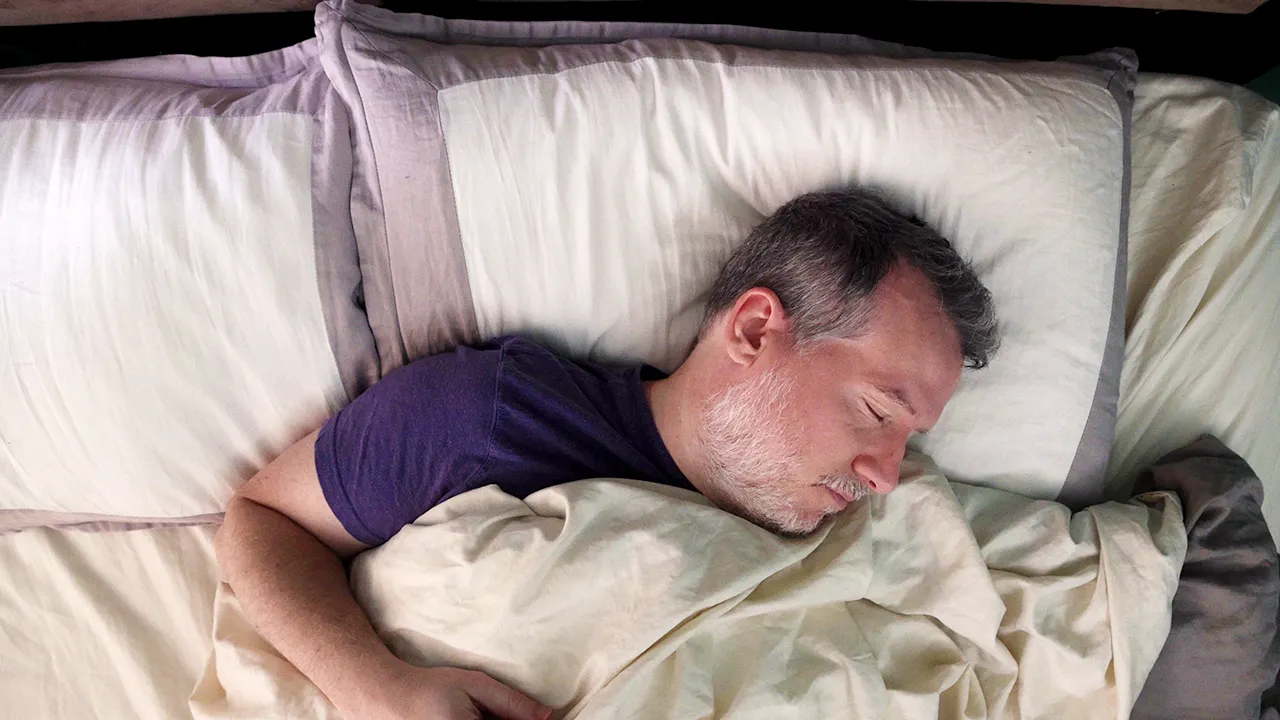
The Importance of Sleeping Positions for Your Health
The way we sleep can affect our well-being in more ways than just causing back pain. Health experts warn that your sleeping position might lead to various issues, including discomfort, acid reflux, snoring, and even nerve pain that could bother you the next day.
Comfort in sleep is key, according to Shelby Harris, a clinical psychologist and sleep specialist. Many people stick to certain positions because they feel pleasant. However, certain awkward sleeping styles can lead to discomfort since our bodies remain in the same position for hours. This can put pressure on our nerves, muscles, and ligaments.
Interestingly, it’s not necessarily linked to stress or mental issues. An expert suggests that if you want to change your sleep habits, focusing on physical adjustments might be more effective.
As many people adopt positions where they curl up or tuck their arms, experts are concerned about the risks involved. Certain positions, like the one humorously referred to as “the T. rex position,” can compress nerves and reduce blood flow, leading to numbness at night.
For example, sleeping with a bent elbow can worsen conditions like cubital tunnel syndrome, which causes pain and numbness in the forearm.
Although sleeping on your back may seem like a good option for keeping your arms free, it could actually lead to snoring and acid reflux. So before changing positions, it’s essential to weigh the pros and cons.
Researchers have found that sleeping on your stomach can misalign the spine and cause neck, shoulder, and back pain due to the need to twist your head. Despite being the least common way to sleep, it may help reduce snoring for some.
On the other hand, sleeping on your side is the most popular choice and is generally seen as beneficial. Experts agree that side sleeping puts less strain on the body. Recommendations include using a pillow between your legs and bending your knees slightly to support your spine.
As you age or experience health issues, the way you sleep becomes even more crucial. Medical guidance suggests shifting to side or back sleeping for better support.
For those who find it challenging to switch from stomach sleep to sides or back, experts recommend easing into it by gradually making the change and perhaps using thinner pillows. If you continue to have trouble sleeping or don’t feel rested regardless of your position, it might be time to consult a sleep specialist.
In conclusion, paying attention to how you sleep can be a vital part of maintaining good health.
