
U.S. Military Operations in Niger Complicated by Loss of Bases
U.S. efforts to fight al Qaeda and ISIS in Niger and other West African nations are facing serious challenges after the withdrawal from military bases in the region. This situation has left American troops reportedly “completely blind,” according to a former State Department official. This development comes as the Pentagon grapples with a lack of resources when reacting to emergencies, such as the recent kidnapping of a U.S. citizen.
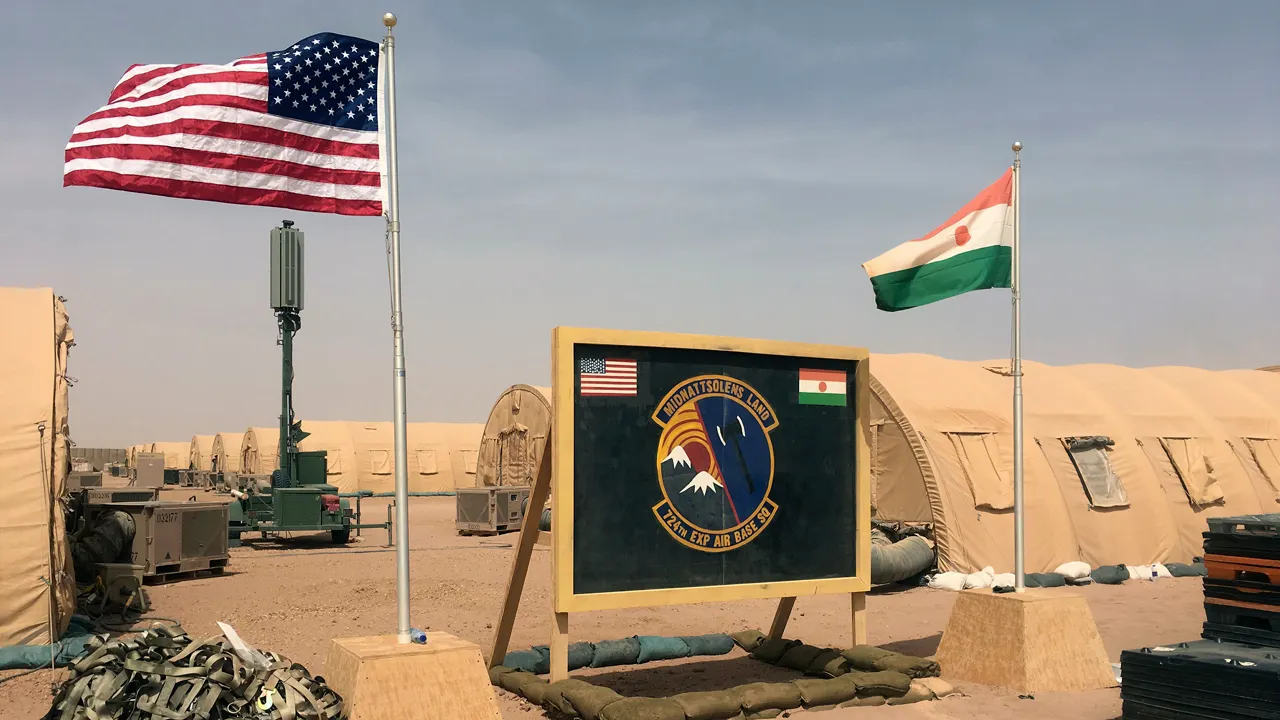
Previously, the U.S. operated two airbases in Niger, from which surveillance drones helped monitor terrorist activities. These drones had been instrumental during a rescue operation in 2020, when SEAL Team Six successfully freed an American abducted in Niger. However, those capabilities have diminished since last September when Niger’s government demanded the removal of U.S. personnel, citing a “condescending attitude” from a Biden administration delegation.
Niger’s government spokesperson publicly expressed their discontent, stating that American representatives had not adhered to proper diplomatic etiquette. He emphasized that Nigeris should have the freedom to choose their international partnerships without external pressure or threats.
Mary “Molly” Phee, who led the U.S. diplomatic team, faced backlash for urging Niger’s leaders to cease collaboration with countries like Russia and Iran, warning of possible sanctions. Phee defended her approach, suggesting that her team’s rejection by Niger’s leadership illustrated a broader issue of accountability.
The fallout from this diplomatic clash has directly impacted security in the Sahel region. Reports indicate a rise in extremist activity since the U.S. withdrawal, with military leaders warning that terror groups have enhanced their capabilities, further straining U.S. monitoring efforts.
With fewer resources to work with—only a single base in Djibouti—African Command (AFRICOM) has struggled to respond effectively to emerging threats. The limited U.S. presence in the region has raised concerns about increased violence driven by extremist groups, as allies like Russia fill the gap left by Western forces.
Experts point out that locating and rescuing kidnapped individuals has become increasingly difficult. Without the former surveillance tools, military sources indicate that even special operations units may struggle to pinpoint the whereabouts of hostages.
The State Department has taken the precaution of advising against travel to Niger, due to ongoing crime, unrest, and terrorism risks. As the situation unfolds, the U.S. military and government continue to evaluate their strategies to confront these rising threats.
