
Rising Food Prices Challenge Junk Food Appeal
The once-beloved idea that junk food is both tasty and affordable is fading fast. Many of our guilty pleasures, like snacks and fast food, are becoming more expensive.
Food industry expert Michael Lavery from Piper Sandler has noted that a major trend affecting food companies now is inflation. As consumers face tighter budgets, they are cutting back on their spending.
Researchers are investigating whether the rise in prices for unhealthy food items might be beneficial for health in the long run. However, food industry leaders are clear that their companies are feeling the pinch from these higher prices.
For over a century, sugary treats and salty snacks have been staples of the American diet. But with healthier options emerging and consumers becoming more health-conscious—often checking labels and using technology to shop—people are starting to rethink their choices, especially when it comes to how much they are willing to pay for junk food.
A recent study by NielsenIQ highlights that food inflation is currently the biggest concern for shoppers worldwide, even more pressing than issues like job security or climate change.
In recent years, nearly all grocery items have seen significant price hikes. While healthier options are often even more expensive, those looking to save money are usually ditching the unhealthy snacks first when making budget cuts.
For example, the price of a large bag of Cheetos has soared to over $7, up from about $4 a few years ago, while the bag’s size has shrunk. This makes it easier for shoppers to resist the tempting treat.
Harvard sociologist Caitlin Daniel has pointed out that as consumers weigh their choices, they are increasingly opting for necessary foods instead of indulgent snacks.
Big food companies have struggled with sales, where any revenue growth is mainly from price increases rather than selling more products. These rising prices have also become a hot topic in political discussions lately.
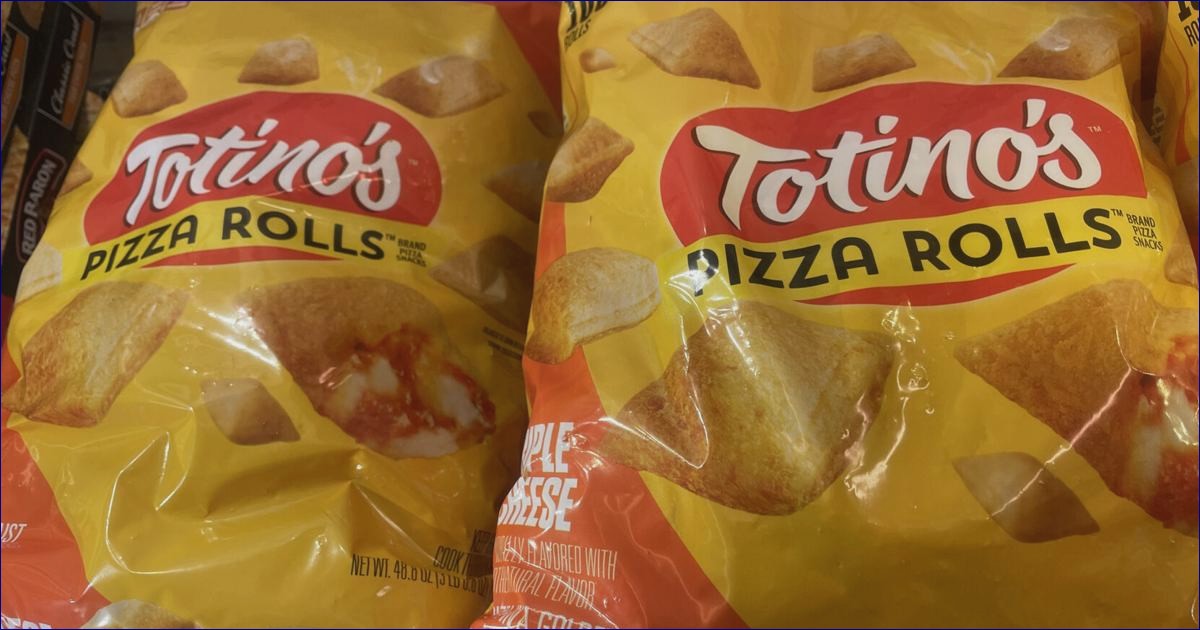
Companies like General Mills are trying to adjust by bringing some prices back down. Recently, they reported a 20% increase in sales of larger pizza roll bags after lowering prices. They plan to decrease prices for about two-thirds of their products soon.
However, other companies, such as Hormel and Mondelez (the maker of Oreo cookies), are still raising prices to keep up with the skyrocketing costs of ingredients like cocoa and beef.
In response to worries over “shrinkflation”—where prices remain the same, but packages get smaller—PepsiCo has started filling chip bags more generously after customer complaints.
Finding the right balance of size and price is crucial. Smaller packaging that feels fair, like a three-pack of snacks for $1, is appealing to shoppers.
The future of processed food isn’t a light issue, as companies like General Mills are even laying off staff to adapt to changing sales. Meanwhile, Land O’Lakes, which supplies cheese flavoring for snacks like Cheetos, feels the ripple effects of declining sales.
With stagnant sales, companies are on the lookout for ways to save resources. Nestlé, the largest food manufacturer, has announced plans to cut 16,000 jobs and introduce more automation in hopes of becoming more efficient.
While food prices have stabilized since their peak during the pandemic, they remain high, which still shocks shoppers at the grocery store.
Adams from Deloitte notes that inflation has made consumers more skeptical about value. Many people feel they are paying more for less.
This resonates with families like Evan Perera’s in the Twin Cities, who are avoiding non-essential items in their grocery runs. With costs rising across the board, they find it harder to justify buying treats or dining out.
Adams emphasizes that today’s shoppers, particularly younger ones, are more focused on health and affordability. However, across all income levels, consumers want to feel they are getting good value for their money.
While convenience still drives sales in the packaged food sector, Daniel points out that products need to offer real satisfaction, especially for budget-conscious buyers. When shopping with lower-income families, she found many opted to leave unhealthy snacks behind at the register in favor of what they needed most.
In the end, Daniel sums it up well: “Food is an affordable luxury,” but there are limits to how much one can indulge.
