
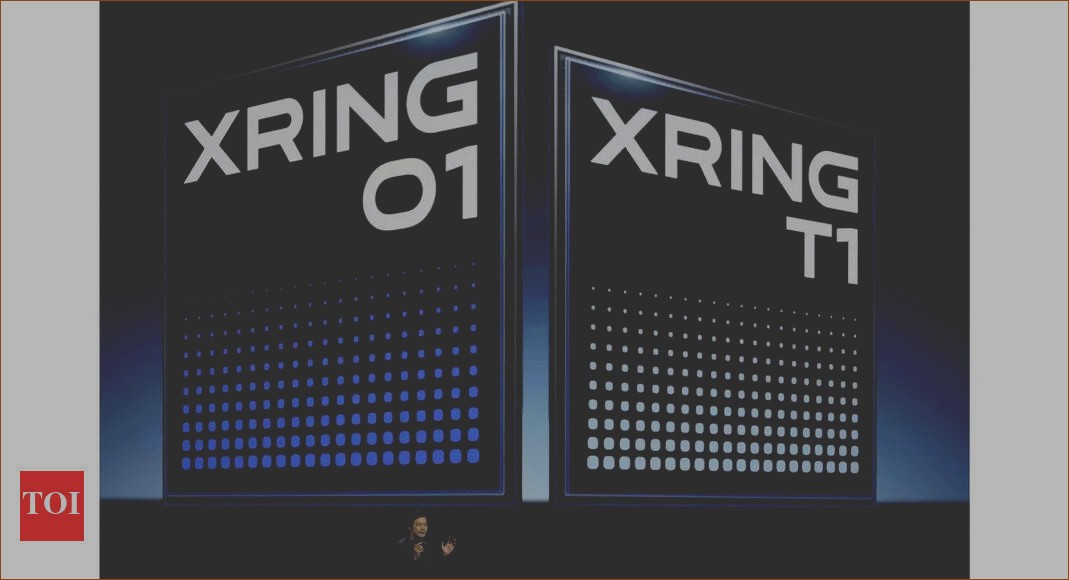
Xiaomi is Crafting a New Smartphone Chip
Xiaomi, the Chinese smartphone giant, is working on developing a new high-end chip for its devices. This move aligns with similar strategies from competitors like Apple and Samsung, who are aiming for greater control over their hardware. Xu Fei, Xiaomi’s vice president, confirmed this exciting news in an interview with CNBC. However, he clarified that unlike Apple, Xiaomi won’t be rolling out a new chip each year.
Xu mentioned that while the company is actively planning its next-generation chip, it doesn’t guarantee an annual launch of a new System-on-Chip (SoC). Xiaomi is focused on creating its own components as part of a strategy to capture a larger share of the premium smartphone market. Last year, the company unveiled the XRing 01 SoC, which utilizes a cutting-edge 3-nanometer manufacturing process, committing to invest around 50 billion yuan (approximately $7 billion) in chip development over the next ten years.
Insights on Xiaomi’s Chipmaking Journey
Unlike Apple, which has introduced a new A-series chip annually for over a decade, Xiaomi has different targets. Xu stated that the company aims to ship 1 million XRing 01 units, but to reach a point of profitability, it needs to produce 10 million units for each chip release.
In his interview with CNBC, Xu expressed, “We’re new to this field, and we need to learn and strategize. We understand that achieving break-even may take us about ten years.” He added that the focus now is on delivering a solid user experience and good performance.
A System-on-Chip is a key part of a smartphone, significantly impacting its overall performance. Apple’s success in chip design stems from its ability to seamlessly integrate its hardware and software, enhancing user experience. Similarly, Xiaomi has developed its own Android-based operating system called HyperOS, alongside a suite of AI tools branded as HyperAI. By creating a custom chip, Xiaomi aims to optimize how these platforms function, leading to better efficiency and performance for its users.
