
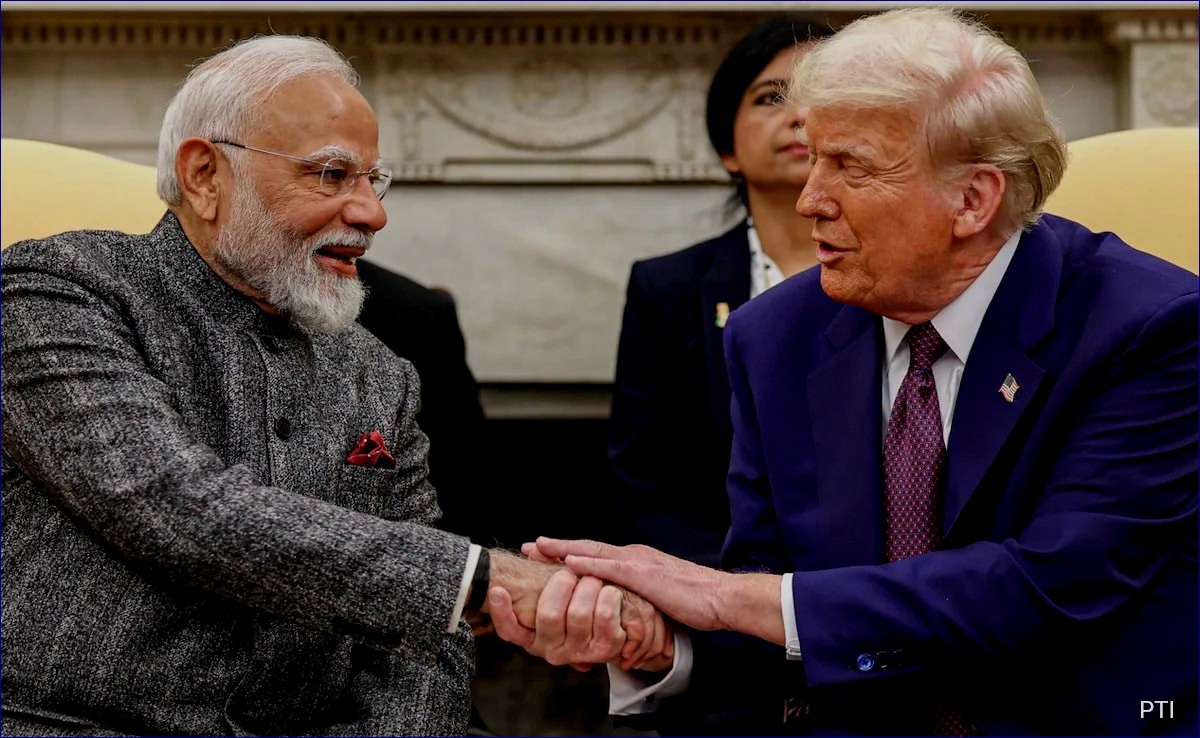
New Delhi: India and the United States are actively working on negotiating an interim trade agreement ahead of July 8. This effort aims to secure a full exemption from a significant 26% "reciprocal tariff" set to affect Indian goods. A temporary suspension of this tariff was announced by the U.S. for 90 days but is expected to be lifted soon.
Commerce Minister Piyush Goyal recently returned from discussions with U.S. Commerce Secretary and other senior officials in President Trump’s administration. India’s chief negotiator, Rajesh Aggarwal, is expected to continue these discussions.
Sources indicate that the trade talks have shown positive results so far. India is keen on finalizing an interim deal before the anticipated completion of a broader India-U.S. Bilateral Trade Agreement by September-October. This step is crucial to avoid the re-imposition of tariffs on Indian products.
The negotiations are taking place on two levels: political and official. On April 2, the U.S. originally implemented the 26% reciprocal tariff on Indian goods but agreed to pause it until July 9.
In an effort to protect U.S. industries, the Trump administration has removed previous exemptions for specific countries and products. Additionally, it has reinstated a 25% tariff on steel and aluminum imports.
In response to these trade measures, India announced tariffs on approximately $7.6 billion worth of imports from the U.S. The current discussions are viewed as a crucial opportunity for both sides to navigate these trade tensions.
India is particularly focusing on securing duty concessions in labor-intensive sectors such as textiles, gems, and jewelry, as well as in the agriculture sector. Meanwhile, the U.S. is seeking concessions in areas like industrial goods, electric vehicles, wines, and certain agricultural products.
