
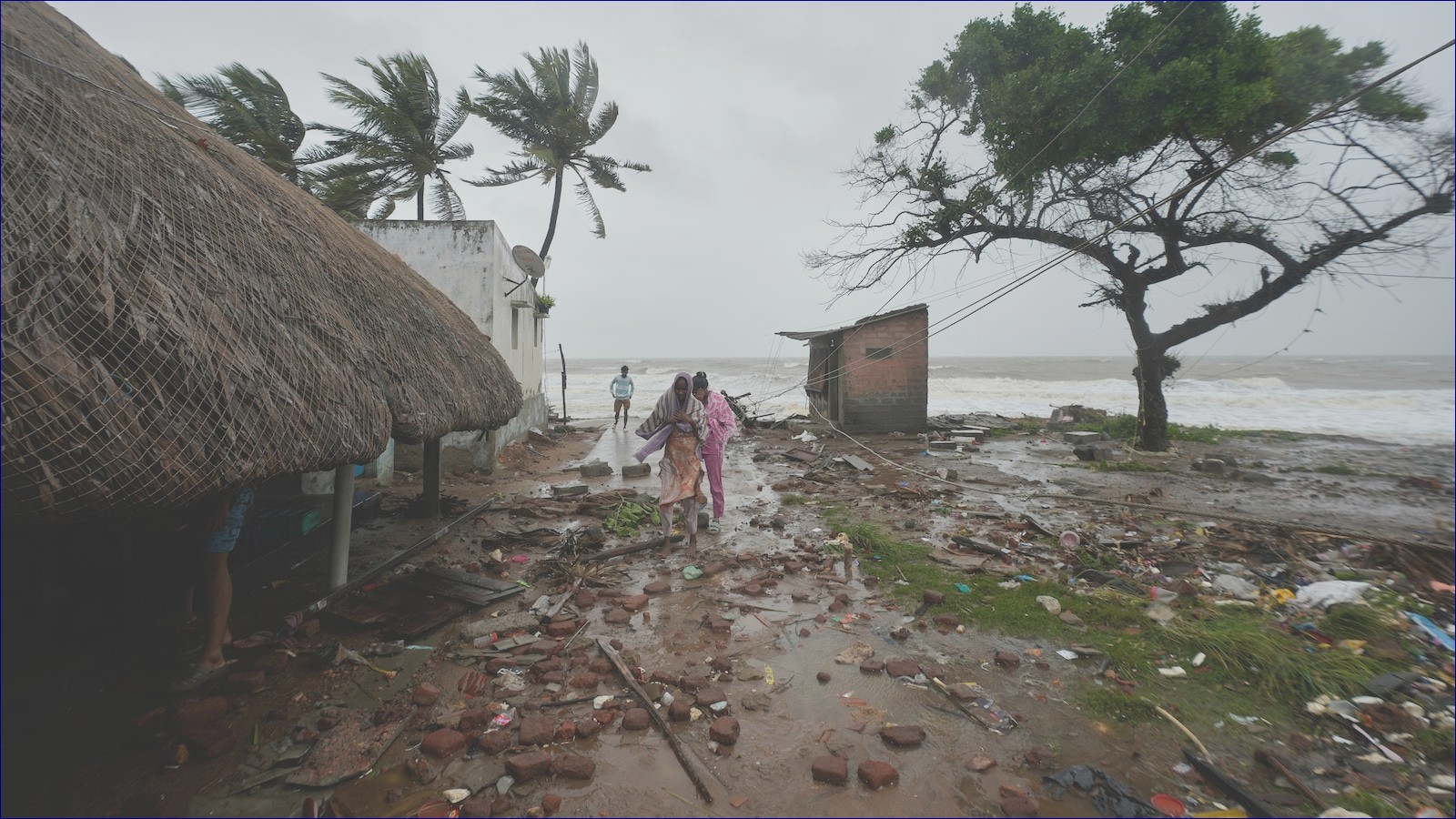
Cyclone Arnab Hits Eastern India, Threatening Infrastructure and Agriculture
BENGALURU, India — A powerful cyclone has made landfall on eastern India’s coast, impacting areas heavily invested in data centers and highlighting the growing threats posed by extreme weather. Cyclone Arnab, which intensified over notably warm ocean waters, brought strong winds and heavy rainfall, leading to three fatalities and flooding across approximately 200,000 acres of farmland, according to officials.
As the storm barreled inland, its winds weakened, but the heavy rain became a major concern. Roads were blocked, and electricity poles were knocked down, leaving many areas in distress. Meteorologists noted that warmer temperatures in the Bay of Bengal helped strengthen Cyclone Arnab, illustrating the links between climate change and more severe weather phenomena.
With significant investments in data center infrastructure along the coast, the cyclone’s impact underscores risks to both current and future economic growth, according to climate specialists. Damage assessments may take days or longer to complete, as the full extent of the destruction becomes clear.
Former Indian Meteorological Department chief K.J. Ramesh pointed out that a warmer atmosphere can hold more moisture, which can lead to heavier rainfall. This is further compounded by the ongoing effects of climate change, which are exacerbating cyclones’ intensity.
The arrival of Arnab follows India’s weakest monsoon season since 2015, which was influenced by an El Niño weather pattern and rising temperatures, resulting in reduced rainfall from June to September. Many districts across India have reported drought conditions, particularly in southern and eastern regions.
Despite the heavy downpours caused by the cyclone, rain often falls unevenly, meaning that areas with hardened, dry ground may see runoff instead of absorption, further complicating recovery efforts.
India has a history of suffering from severe weather events. In 2025 alone, extreme weather impacted 360 days, resulting in over 4,400 deaths and wreaking havoc on millions of acres of farmland, according to the Centre for Science and Environment in New Delhi. The country ranks among the most vulnerable to climate-related impacts, with losses estimated at $170 billion from 1995 to 2024, according to Germanwatch’s Climate Risk Index.
Climate risks do not just affect agricultural yields; they also hinder worker productivity and disrupt transportation, electricity, and logistics systems. Many families and workers, especially farmers and those in informal sectors, lack insurance or savings, making recovery particularly challenging.
Prakash, a public policy professor, noted that damages often leave households facing significant losses, including damaged homes and lost earnings. This scenario forces governments to confront hefty reconstruction costs, which can divert funds from essential areas like schools and healthcare.
The regional implications are also vast. Neighbors like Pakistan have faced extreme flooding, resulting in thousands of fatalities and billions in damages, while Nepal’s recent floods have also had devastating financial consequences.
Prakash emphasized the importance of recognizing “cascading disruptions,” where damage in one area can lead to broader economic challenges. Infrastructure planning must evolve to incorporate potential future climate scenarios, strengthening systems against threats like flooding and uneven rainfall.
Visakhapatnam, a city set to host significant data center investments from tech giants, is now facing these very threats amidst Cyclone Arnab’s impacts. A recent analysis projected that over 10% of Indian data centers could be at high risk of damage from climate change by 2050, highlighting an urgent need for structural adaptations to mitigate these risks.
Experts, including Prakash, argue that businesses should develop continuity plans that prepare for simultaneous disasters, such as power outages following cyclones. Advances in weather forecasting for large systems have improved, yet predicting local storms and flash floods remains challenging—leaving vulnerabilities in place.
As world leaders gather for upcoming climate talks, Prakash advocates for targeted financial support for vulnerable communities in India and South Asia, urging that climate finance reaches those in need before damages become irreversible.
