
Young Indians Rally for Democracy: A Mission to Preserve the Nation’s Essence
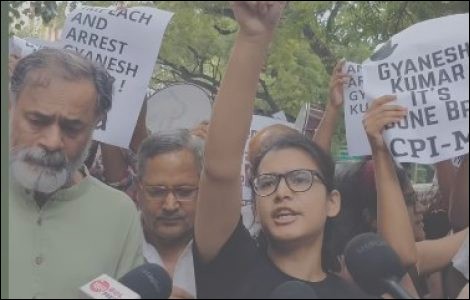
New Delhi, October 23, 2026 — In a significant display of unity and activism, young people across India are marching today to champion democracy, demanding respect for voting rights and essential electoral reforms. This movement is organized by the “People Against Special Intensive Revision (SIR)”, a coalition formed to protest against recent changes to electoral rolls.
The initiative addresses concerns regarding the Election Commission of India’s handling of voter registration, where it is estimated that about 130 million citizens have been excluded from the voting lists. Critics argue that this process disproportionately affects minorities, internal migrants, and impoverished communities. The movement alleges that the SIR procedures have become a “political tool,” and calls for the resignation of Chief Election Commissioner Gyanesh Kumar for overseeing an allegedly opaque and unilateral process.
Participants are gathering outside government buildings in state capitals and in New Delhi, fueled by rising enthusiasm among the youth and various sectors of society. Jesuit priest Father Cedric Prakash, a prominent advocate for human rights, emphasized the vital role of youth in this movement. He also noted the alignment of this march with the Hindu festival of Dussehra, a time when good triumphs over evil, reflecting the movement’s commitment to truth and justice.
“The winds of change are sweeping through Delhi and the rest of the nation,” Father Prakash pointed out, highlighting the involvement of Generation Z, Millennials, and even younger generations in the push for reform. The mobilization is not only inspiring students; it also includes farmers, professionals, homemakers, and senior citizens together demanding a fresh start for the country.
The call to action gained additional momentum following a previous gathering on September 16, where thousands defied restrictions to march in New Delhi. Responding to protests organized by the Cockroach Janata Party, demonstrators showcased their commitment by linking arms in a human chain outside the presidential residence, proudly displaying a tricolor flag that extended over 80 meters.
Authorities reacted with a heavy police presence, detaining protesters, including prominent leaders from the movement who faced charges of breaching demonstration rules. After a week in custody, they were released on October 21. Many young demonstrators criticized the government for limiting protest spaces, shutting down metro stations, and intermittently disrupting internet access in protest areas, viewing these actions as attempts to undermine their efforts.
A notable step towards collaboration occurred on October 14, when various national and state organizations met to strategize. This gathering included over 200 civil society groups and resulted in the formation of the People Against SIR network. They subsequently announced today’s “People’s March for Democracy,” calling for a comprehensive review of the SIR system and the reinstatement of voters wrongly removed from the rolls.
The movement calls for an impartial overhaul of the Election Commission, a fair revision of electoral lists, a return to paper ballots, and reforms to ensure elections are free and fair. Organizers urge professional associations and community groups to join this peaceful mobilization, aiming to infuse each village and street with a spirit of democratic engagement.
As these protests unfold, they signify a new era of civic involvement among younger Indians, who are using social media to amplify their voices and share their experiences. Father Prakash highlighted that this surge in activism represents more than just a number of participants—it’s a revitalized spirit of community engagement.
The movement has received endorsements from various public figures and professionals, showcasing a collective commitment to democracy. At a public hearing, testimonies from several states were presented to an independent panel of former judges, who are set to analyze the situation.
“This situation fundamentally concerns citizens’ rights to participate in political life and their trust in electoral institutions,” Father Prakash remarked. He noted that this movement embodies a journey to safeguard the true essence of India, drawing inspiration from Mahatma Gandhi’s legacy of non-violence and the pursuit of truth.
The rally aims to rekindle civic responsibility and participation, ensuring that the principles of democracy, equality, justice, and truth prevail in the Indian landscape.
