
The Ministry of Home Affairs (MHA) is set to feature a tableau for Census 2027 during next year’s Republic Day parade. This move aims to raise awareness about the largest administrative exercise in the world, according to a recent announcement from the Registrar General of India, Mritunjay Kumar Narayan.
Before the tableau can be showcased, it will need the approval of the Ministry of Defence, which manages the selection of tableaux for the Republic Day event on January 26.
In an official circular issued last week, part of the Census 2027 publicity strategy was detailed. The plan includes a multi-layered campaign involving various stakeholders, including state governments and Census Operations offices. Narayan’s office will roll out a nationwide advertising push through the Central Bureau of Communication, which will cover various platforms including newspapers, television ads, digital cinema, and announcements in airports and train stations. Additionally, video guides on self-enumeration will be created. The incorporation of the Census 2027 tableau aims to capitalize on the widespread viewership of the Republic Day parade, providing a unique opportunity to raise national awareness about the upcoming census.
A government official stated that the tableau will be crucial in engaging states and union territories where the census activities are scheduled to begin in February. The office of the Registrar General has also suggested releasing a special postage stamp to commemorate Census 2027 as part of the promotional campaign.
The initial phase of house-listing operations, which collected data on housing conditions and household amenities, was completed earlier this year. The second phase took place in August in areas like Ladakh and parts of Jammu and Kashmir, and it is set to continue from December 1, 2026, to January 4, 2027, in poll-bound states such as Goa, Uttar Pradesh, and Punjab, while the rest of the country will see its census activities begin in February 2027.
Households across India will be required to answer 40 questions, an increase of 11 from the 2011 Census. These questions will gather information such as parental details, employment status, and personal identification numbers like passport, Aadhaar, voter ID, driving license, and phone numbers.
A notable aspect of the Census 2027 will be an open-ended question on caste. Unlike the 2011 Census, which only recognized Scheduled Castes and Tribes, respondents will now be able to state their caste freely.
Initially set for 2021, the Census was delayed due to the COVID-19 pandemic. While data collection is expected to finish by March 1, 2027, officials anticipate that compiling and sharing the results will require an additional two to three years. This Census could affirm India’s position as the world’s most populous country.
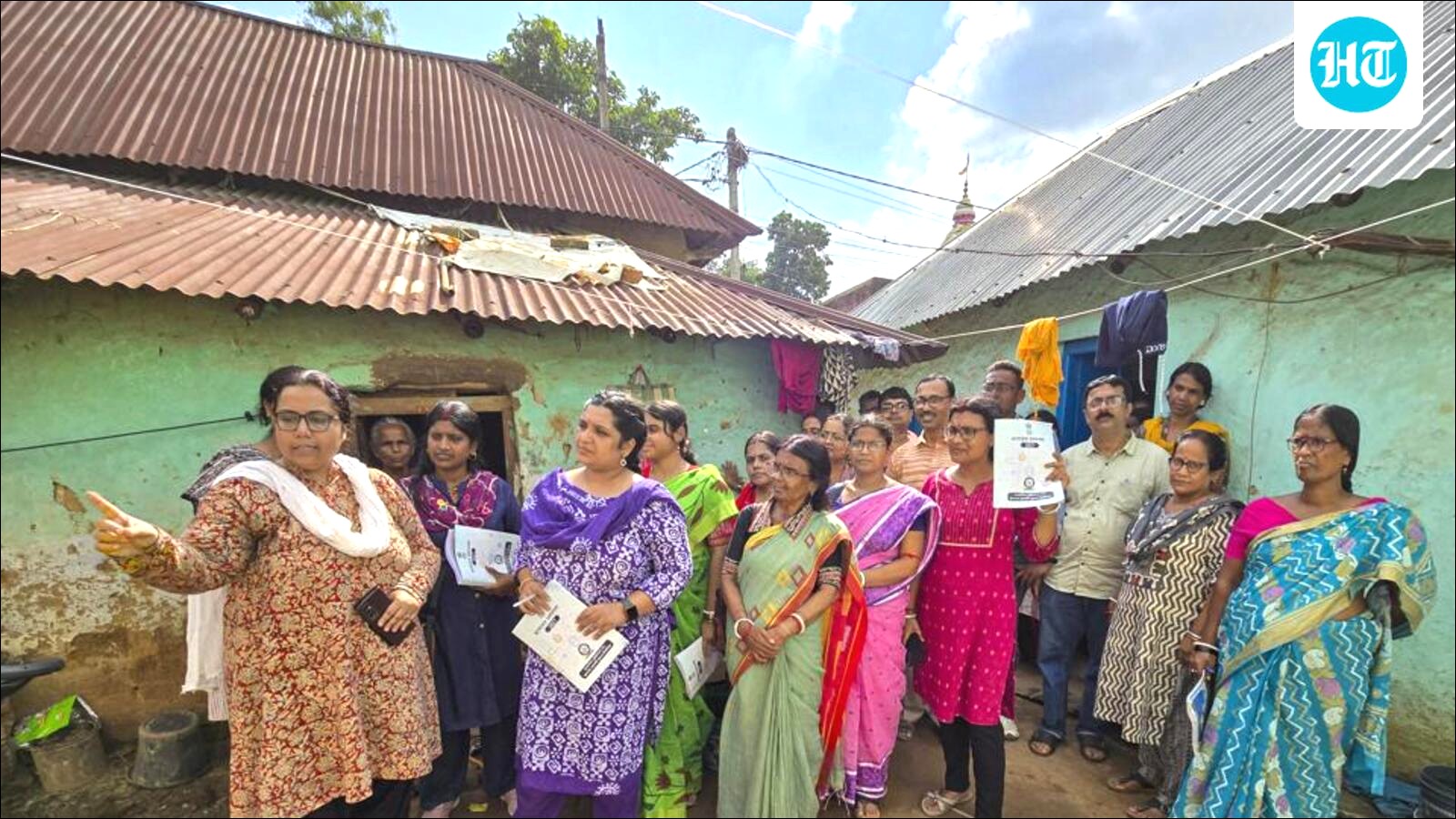
At local and district levels, census officials have been tasked with organizing targeted outreach activities. These include school competitions, marathons, performances, and campaigns at various public spaces. Additionally, methods such as wall paintings in local languages and announcements via municipal vehicles will help engage communities.
Importantly, the Registrar General’s office plans to set up social media monitoring teams to keep an eye on public sentiments and digital narratives about the census, ensuring that any misinformation can be addressed swiftly.
