
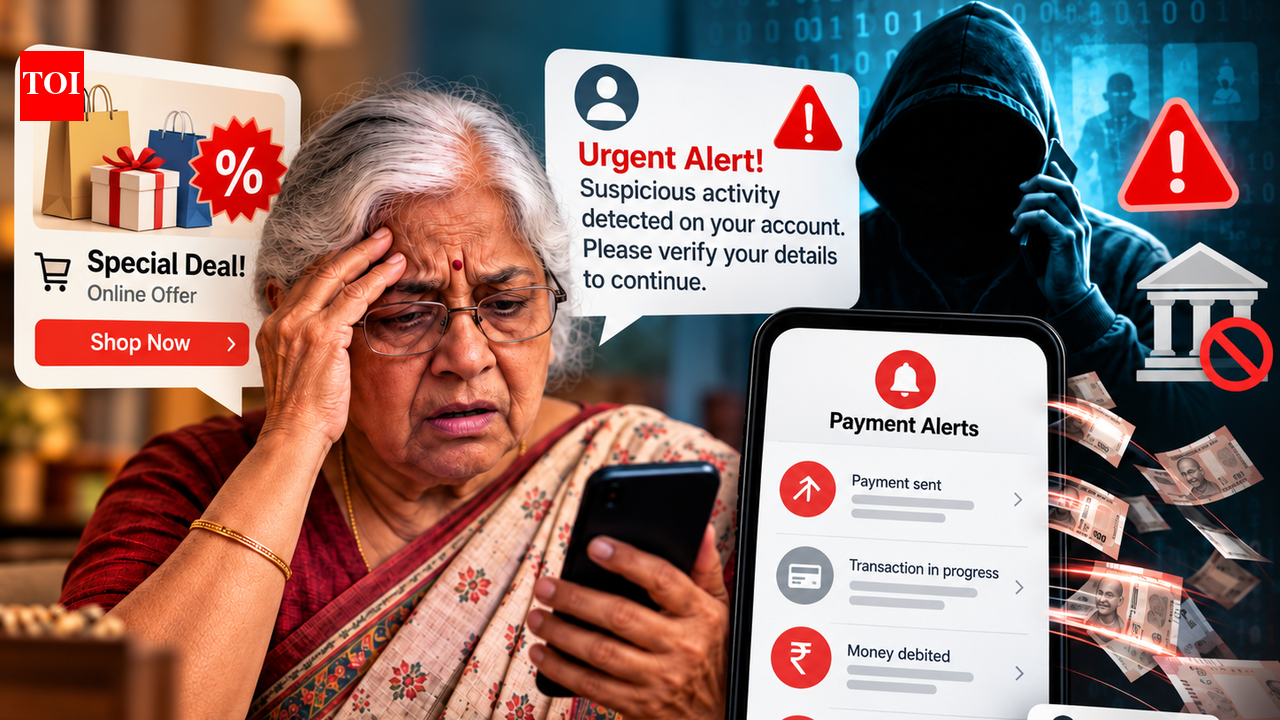
Rise in Scams: A Growing Concern for Indian Consumers
In a recent incident in Mumbai, a 79-year-old woman fell victim to a scam while attempting to purchase dry fruits advertised on WhatsApp. Instead of making a simple purchase worth ₹248, she ended up losing a staggering ₹11.7 lakh after being persuaded by a caller claiming to be from the company. The fraudster convinced her that a technical issue could lead to her bank account being closed, leading her to make 13 UPI transfers.
This alarming case highlights findings from the GSMA India Consumer Scam Report 2026, which surveyed around 500 adults in India from July 29 to August 3. The report indicates that online shopping scams are the most common, with 33% of reported cases, and many victims are left with no recovery after losing money.
Trust Issues with Digital Platforms
When compared to consumers in Southeast Asia, Indian respondents expressed a higher level of trust in everyday communication channels like messaging apps and social media. Surprisingly, this trust extends to platforms often exploited by scammers. For example, 42% of scammers contacted Indian victims through messaging apps, while 37% were scammed via social media and 33% through emails. Notably, 64% of victims encountered scams through multiple channels.
Aside from shopping scams, other popular scam types included prize or lottery schemes (31%) and job-related scams (30%). The report also found that urgency and secrecy were common tactics used by scammers to manipulate victims, with 39% of victims feeling pressured due to urgency and 33% due to confidentiality concerns.
Changing Mindsets Among Consumers
Despite the rising number of scams, many Indians are becoming more cautious. The survey revealed that 72% of respondents changed their behavior because of either personal experiences or stories from acquaintances. Additionally, 61% reported avoiding certain contacts or online transactions due to scam fears, a significant increase from 20% in the past.
Although skepticism about social media platforms is on the rise, with 60% of respondents associating Facebook with scams (up from 51% in 2025), only half reported enhancing their account security. Nevertheless, 87% are comfortable with banks monitoring their data to prevent fraud, which is higher than the regional average.
Difficulties in Recovering Lost Money
The report also indicated that 12% of Indian respondents had been scammed within the last year—higher than the 8% average in Southeast Asia. Among those who reported scams, 86% sought help from at least one organization, with increased reports to law enforcement. However, a significant number of cases remain unresolved, with only a third of victims recovering any of their lost money. Despite this, India’s recovery rate is still better than the regional average, with 33% recovering some or all their funds.
The Global Impact of Scams
The issue of scams isn’t confined to India. The Global Anti-Scam Alliance estimates that consumers in various markets lost about $442 billion to scams in one year alone. In the U.S., the FBI reported losses due to cybercrime of nearly $21 billion in 2025. This global epidemic underscores the urgent need for greater cooperation among banks, platforms, and authorities to combat these crimes.
As the situation continues to evolve, it is essential for individuals to remain vigilant. If you believe you may have been scammed, it’s crucial to report the incident immediately, as swift action could help recover your funds.
