
Taipei Observes Xi’s Visit amid U.S.-China Relations
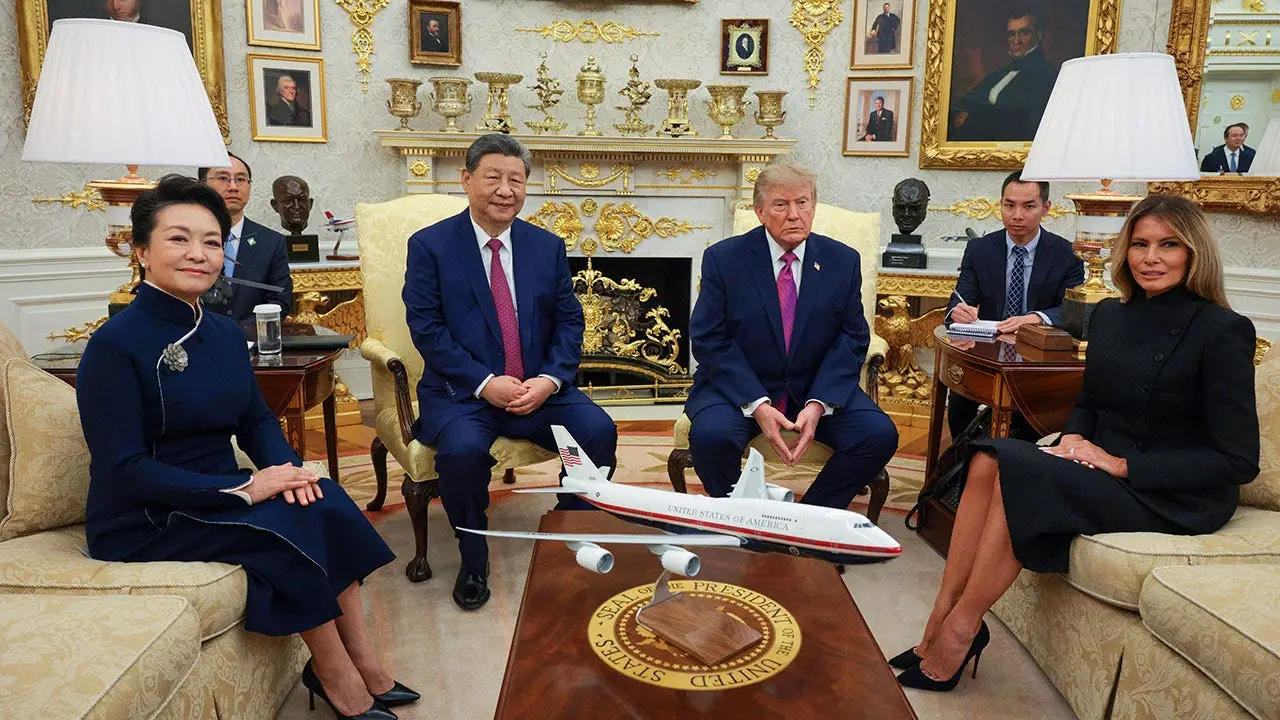
TAIPEI — Taiwanese officials are closely monitoring any shifts in U.S. policy towards Taiwan after President Donald Trump recently hosted Chinese President Xi Jinping in Washington, D.C. The meeting raised concerns in Taiwan, which is often at the center of China’s threats.
In Taipei, a panel of experts, including scholars and Taiwan’s deputy foreign minister, convened at the Institute for National Policy Research to discuss the implications of the third meeting between Trump and Xi during this presidential term. Most analysts believe there will be no significant changes in U.S. policies regarding Taiwan.
Kuo Yu-jen, the vice president of INPR and a professor at National Sun Yat-sen University, stated that both Trump and Xi achieved their objectives during the meeting. Trump can highlight economic benefits from discussions with Xi, while Xi returns to Beijing with enhanced status from his U.S. visit. Kuo dismissed suggestions that Trump had compromised Taiwan’s interests.
During the meeting, Xi reportedly urged Trump to make clear that the United States stands against Taiwan’s independence. However, the U.S. has reiterated that it does not actively support Taiwan’s independence, a point Taiwan’s government officials appreciate.
Taiwan’s Deputy Foreign Minister François Wu expressed concerns about Beijing wanting the global community to see Taiwan as a domestic issue for China. He mentioned that if China succeeds in this narrative, it could limit international responses to its actions against Taiwan.
Wu emphasized that Taiwan is already functioning as a sovereign country with its own government, currency, and elections, stating, “We just don’t need to declare any independence.”
In response to Trump’s visit to China, Wu previously noted his fears about Taiwan being used as a bargaining chip in discussions with Xi. Following Trump’s meeting, Taiwan’s Foreign Ministry quickly reaffirmed its stance on sovereignty, opposing any statement suggesting support for Taiwan’s independence is incorrect.
Following the summit, reports indicated that China has deployed over 100 vessels near Taiwan, a move that has raised alarms among Taiwanese security officials.
The White House’s summary of Xi’s visit highlighted ongoing U.S. trade interests, including favorable tariffs and concerns regarding critical commodities, but did not signal any changes in Taiwan policy. Observers in Taiwan now wonder if Xi might have secured private agreements from Trump during their discussions.
With local elections in Taiwan approaching in November, followed by presidential elections in January 2028, Taiwan’s domestic political landscape may influence U.S. decisions regarding arms sales and official visits. Analysts believe the U.S. will support President Lai’s re-election but must navigate the complexities of avoiding perceptions of interference in Taiwan’s elections.
The longstanding issue of Taiwan’s status continues, as China claims the island while Taiwan operates as a separate entity with its government. This complex relationship has its roots in historical events dating back nearly 80 years, involving conflicts between China’s Nationalists and Communists. Experts now speculate whether Xi’s visit will bring about any tangible changes in U.S. arms sales or other diplomatic engagements related to Taiwan in the near future.
