
The Evolving World of Surveillance: Understanding SignalTrace Technology
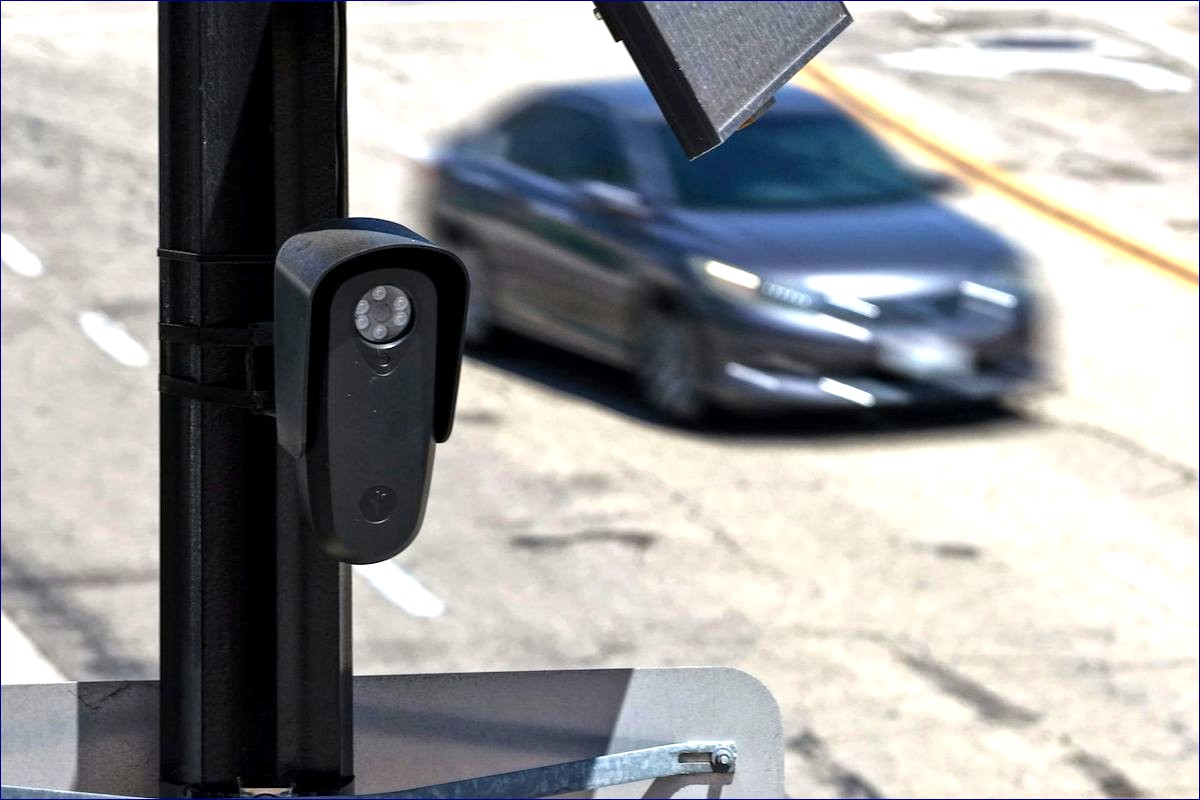
Imagine you share a ride to work with a colleague each morning. On your way, your car passes through a license plate reader that captures its image. This information can be matched to its registered owner. At the same time, a nearby device picks up signals from things like your smartphone and your colleague’s smartwatch.
After multiple rides, a system may recognize those devices as part of a “digital fingerprint” linked to your vehicle. Later, when a signal from one of those devices is detected near another car involved in an investigation, it doesn’t directly reveal who owns the device, but it provides investigators with a lead to follow.
This concept is part of SignalTrace, a system by the security company Leonardo. It works with automatic license plate readers to identify groups of consumer devices that often travel together. By associating these devices with time-stamped locations, authorities can track movements even when they don’t know the license plate number.
As a researcher focused on data governance and surveillance technology, I see that systems like SignalTrace could change how police investigations are conducted. Instead of starting with a person’s identity, the emphasis shifts to tracking movements and groups of individuals.
Understanding Identification Through Signals
Leonardo claims that SignalTrace “does not identify people” but only collects electronic signatures from signals that are already being transmitted. These signals alone don’t tell someone’s identity, and traditional investigative methods are still necessary to confirm details.
However, this claim about what constitutes identification is quite narrow. While a sensor may not pull a legal name from a smartphone, police could deduce ownership by correlating the signal with other records. For instance, if a signal repeatedly shows up linked to a vehicle registered to someone, it can establish a connection to that individual. In essence, a person could find themselves under investigation due to patterns involving their device and its locations, even if there wasn’t any initial suspicion.
SignalTrace can store these electronic fingerprints and recognize vehicles without seeing their license plates. This technology could track individuals based on the devices they carry and where they go, creating a profile that may lead to their identification without a direct name being involved.
Exploring Privacy Concerns
Federal privacy guidelines indicate that identifying information isn’t limited to just names. According to the National Institute of Standards and Technology, personal identifiable information includes data that can trace or distinguish a person’s identity, both on its own and when paired with other information. The essential factor is whether the data can pinpoint someone over time.
For instance, a study highlighted that data from mobile devices showing where people went can reveal identities. A significant finding showed that, with just four distinct time-and-location points, almost all individuals in a sample could be uniquely identified. Although this study did not specifically test SignalTrace, it highlights why repeated movements can turn seemingly anonymous data into a recognizable pattern.
The Supreme Court has also recognized that tracking phone location reveals more than simple movement. In a case concerning data privacy, the court determined that people have a reasonable expectation of privacy regarding their physical movements.
The Implications of Proximity in Investigations
The key issue with systems like SignalTrace revolves around the associations it can create. Repeated patterns may reflect personal relationships, shared commutes, or even social gatherings like protests. The system notes when individuals are near each other, but it lacks the ability to determine the reasons behind their proximity.
A device can be temporarily borrowed or left behind in a vehicle, and even a correct match between a device and a vehicle does not indicate who was using it on a given day. Despite this, these patterns draw the attention of law enforcement. Leonardo states that SignalTrace aims to create leads that help direct police inquiries based on device patterns and relationships.
Research has shown that consistent proximity can highlight social connections. For instance, one study observed groups and noted that patterns in Bluetooth and call data could effectively identify friendships.
Changing the Landscape of Surveillance
SignalTrace signifies a significant shift in surveillance practices. Investigators no longer need to identify a known person or vehicle before starting their work. Instead, they can analyze movement patterns and then link those to existing records to identify individuals involved.
This change is crucial because an electronic signature can become identifying even without a name attached. If a phone is detected repeatedly alongside the same devices, this may reveal links between individuals before law enforcement knows who owns the device.
SignalTrace thus prompts important questions about how the law views systems that identify individuals through indirect associations created by their devices. It challenges existing regulations around license plate readers, suggesting that we may need more comprehensive rules to deal with these new technologies.
Conclusion
As technology evolves and shapes law enforcement strategies, it raises vital discussions about privacy, data collection, and how associations can lead to investigations. The growing capabilities of systems like SignalTrace illuminate the challenges and considerations humanity must grapple with in the digital age.
